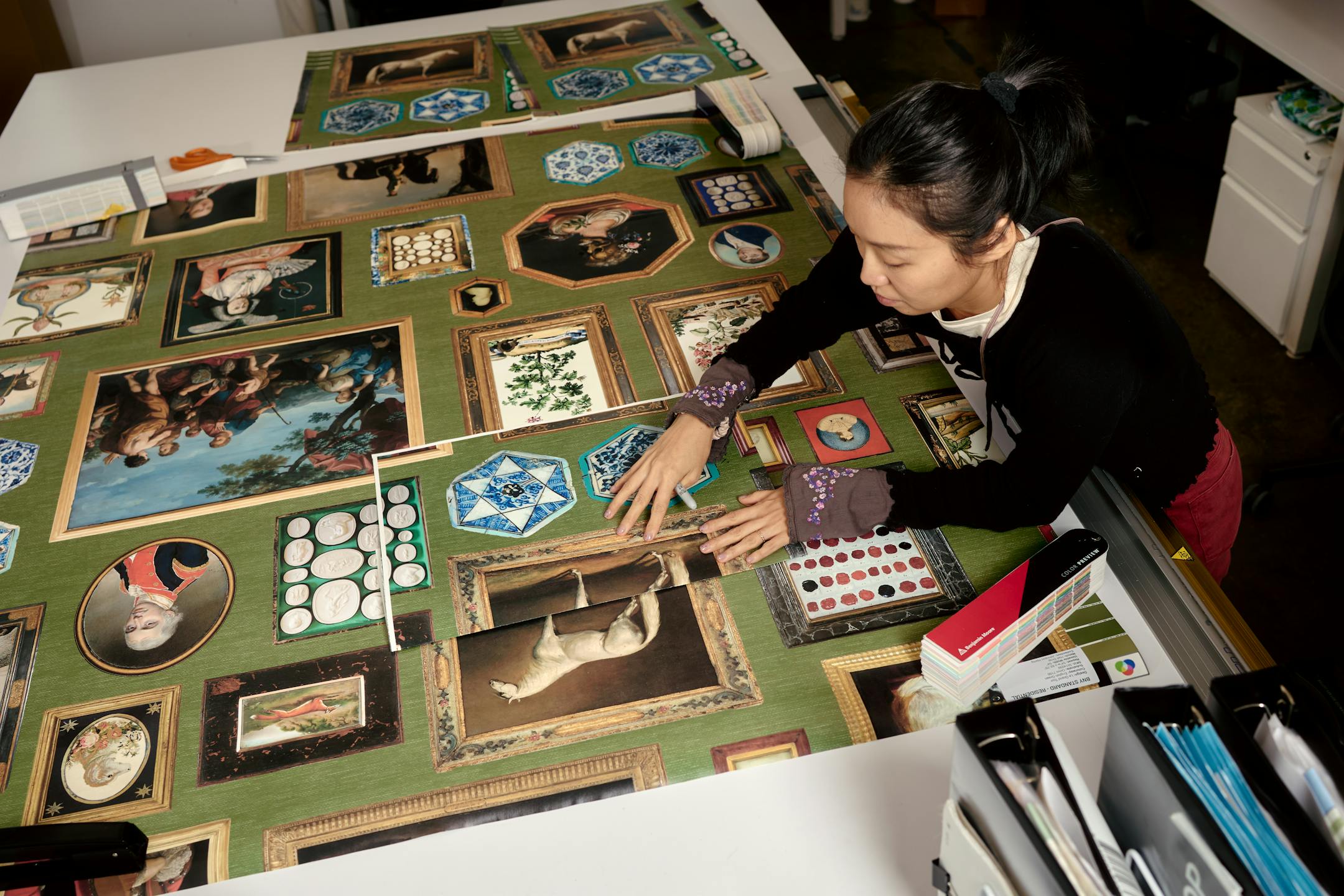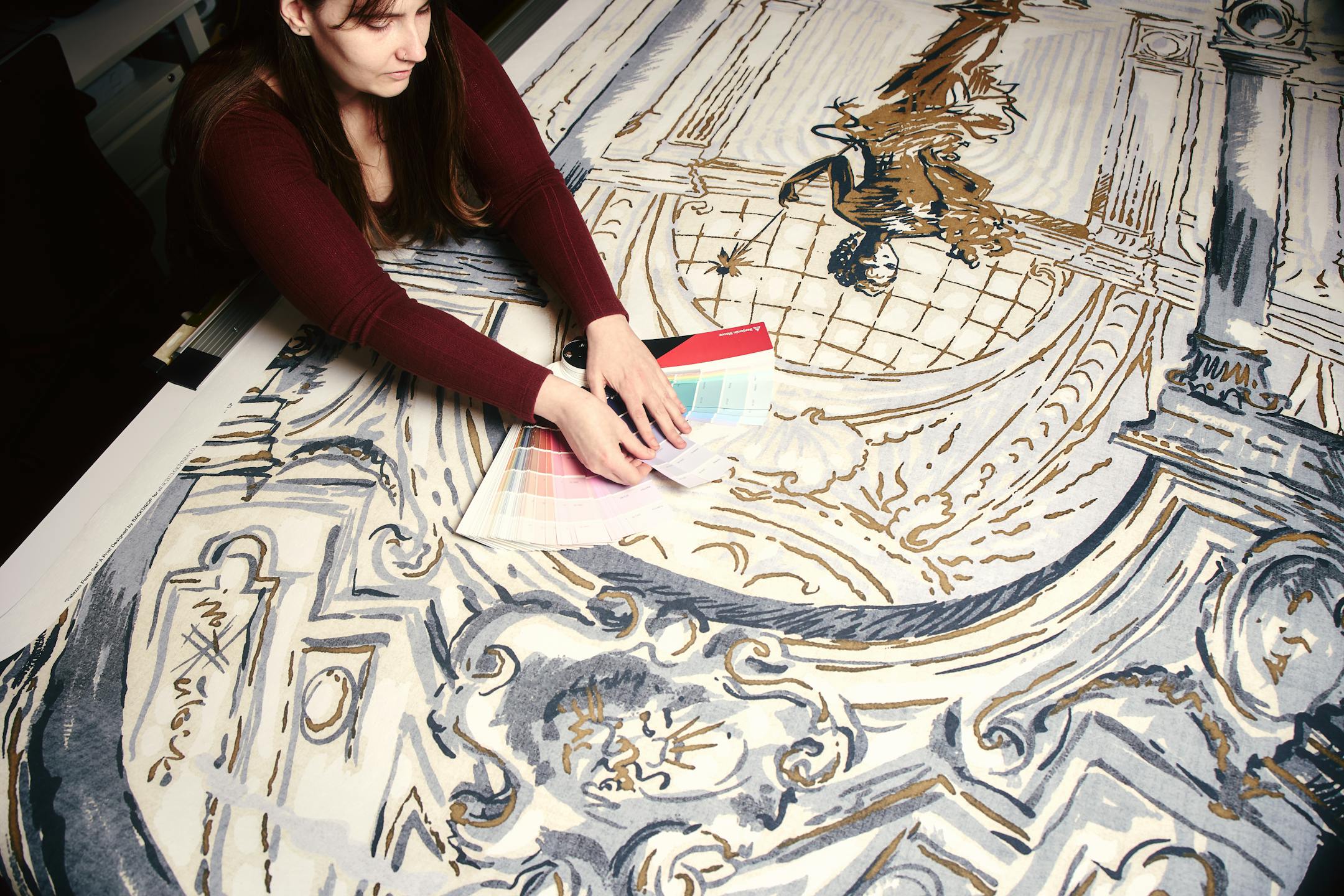
For dingy walls and rooms without a view, there’s a simple fix: wallpaper.
Homeowners have long faked assets like marble and elaborate millwork in a technique known as trompe-l’oeil (French for “deceive the eye”). Artist Louis-Léopold Boilly coined the phrase to describe a painting he exhibited at the Paris Salon of 1800.
But the technique of visual illusion goes back centuries, both in art and decorating.
In interior design, it was employed in homes for the wealthy, as with frescoes of landscapes on the walls of villas in ancient Pompeii. From the Renaissance through the Baroque period, European church ceilings were painted to simulate architectural features and open skies. Beginning in 18th-century Europe, illusionistic wallpaper evoking paneling, tapestry and stone became more accessible outside the aristocracy.
It has come a long way since then.
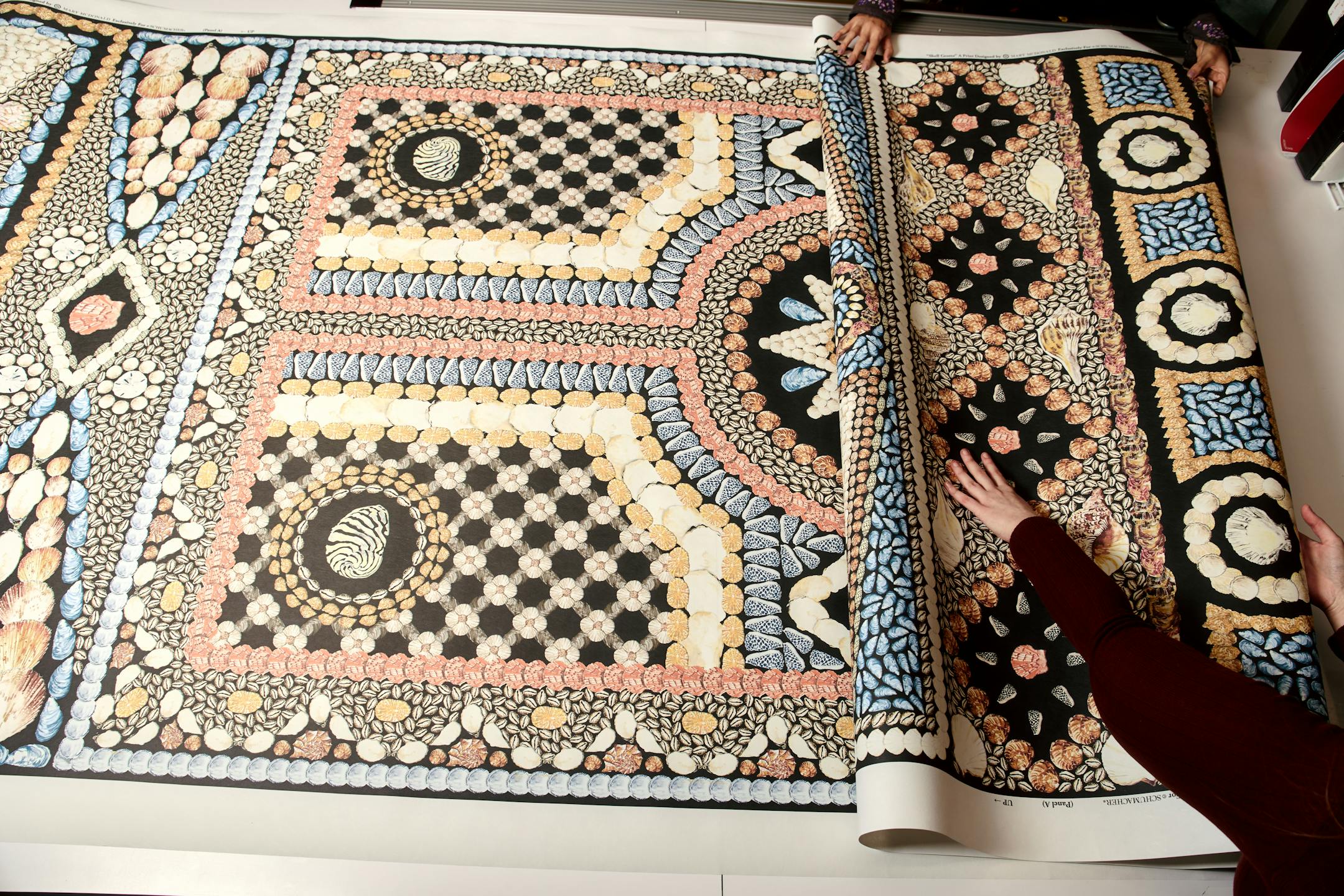
These days, wallpaper can mimic almost anything. A wallcovering simulating a three-dimensional surface, like a forest, set of columns or wall of bookshelves, can “open up” a space, add character and create the illusion of rich features, said Marie Karlsson, managing and creative director of Cole & Son, a wallpaper and fabric company. Credit advanced printing techniques for this extreme verisimilitude.
“Printing innovation has taken trompe-l’oeil from flat to truly three-dimensional,” Karlsson said. “Advanced digital printing techniques now allow for ultra-high-resolution imagery and layered texture effects. The precision in shadow, grain and tonal depth is essential. It’s what makes viewers reach out to touch the surface to confirm it isn’t real.”
Sometimes, it can be too convincing. When Wallshoppe, a wallpaper, fabric and art company, introduced a wallpaper with a pattern evoking woven cane, “we got a little heat,” said Mert Beraze, a co-founder of the business.