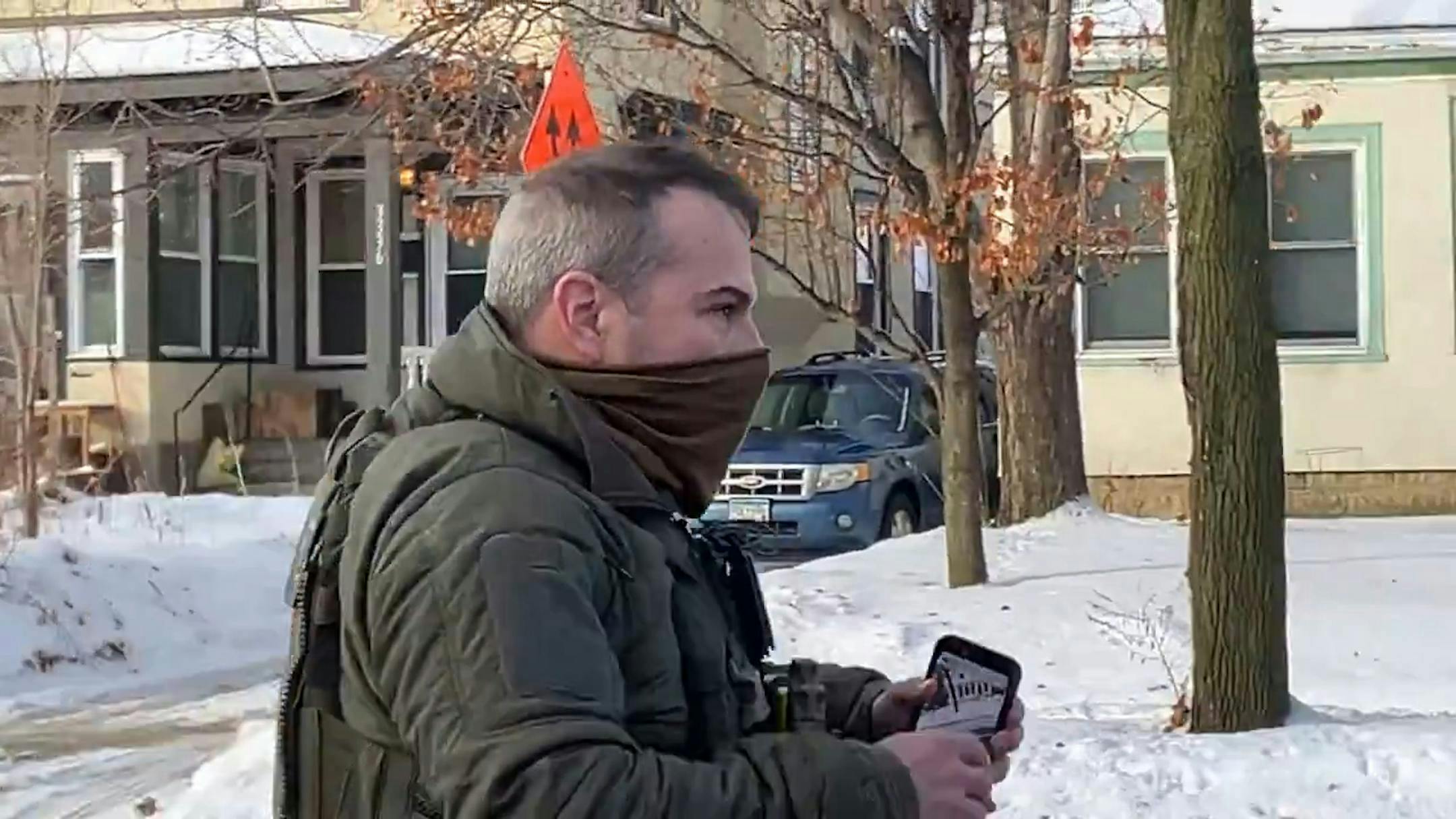
Jonathan Ross feared he was going to die.
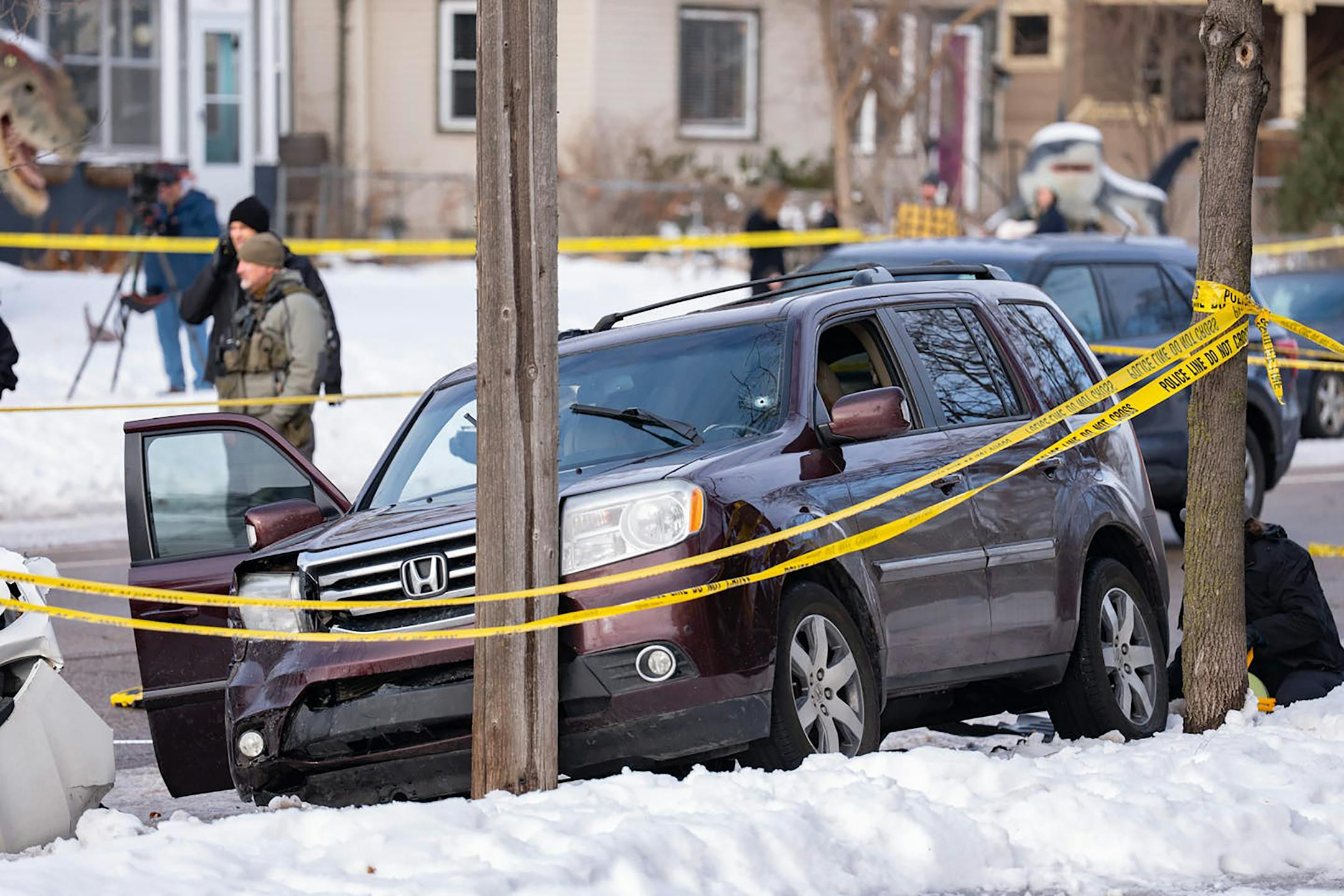
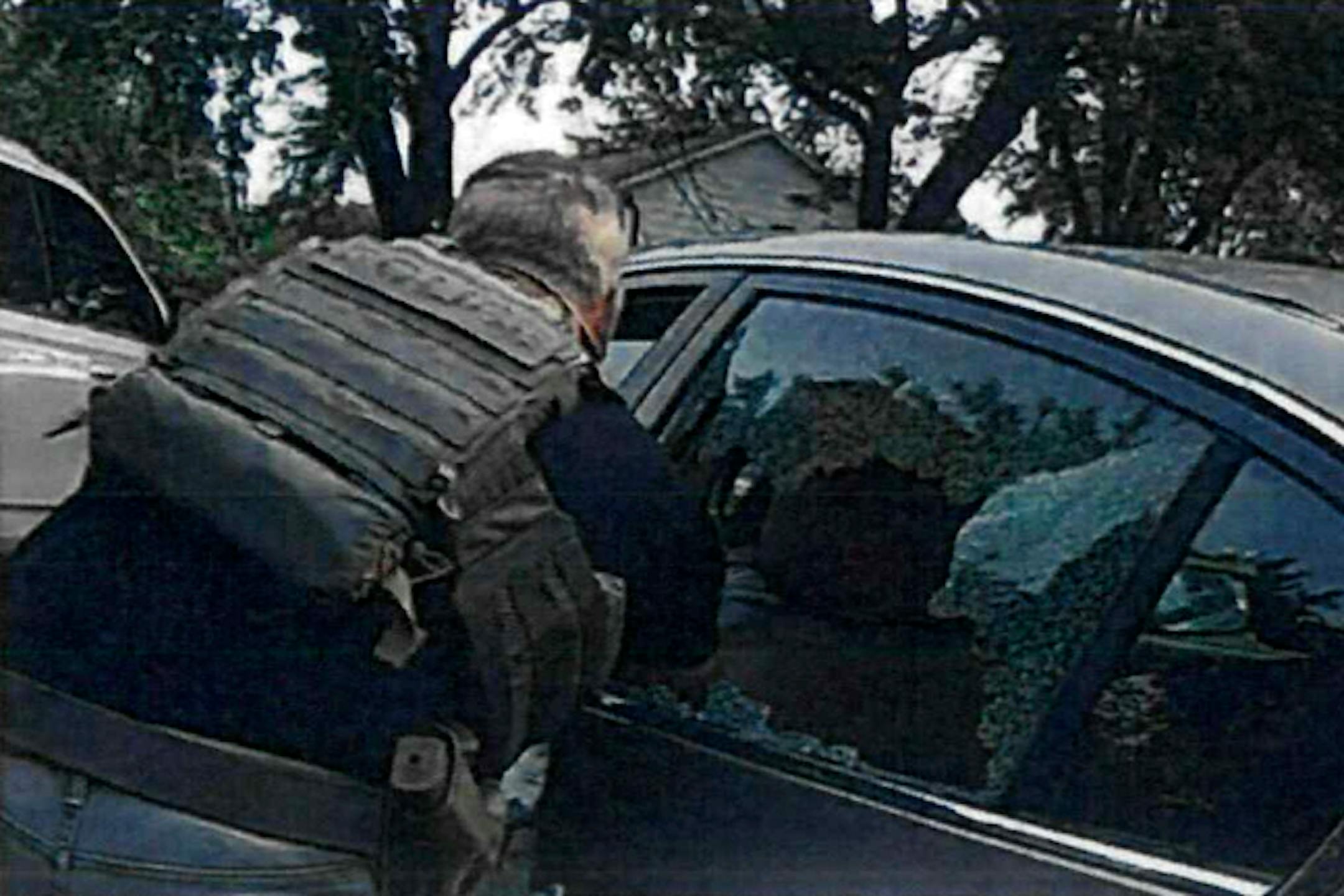
The man he was attempting to arrest last June refused to get out of his car and instead stepped on the gas while Ross’ arm was wedged in the window.
As the driver swerved down a Bloomington street Ross clung to the outside of the car, desperately trying to avoid being run over.
After being dragged about 100 yards, Ross finally broke free.
What was expected to be a relatively routine apprehension of an undocumented immigrant in a quiet residential neighborhood left the veteran agent bruised and bloodied. Ross’ battered arm required 33 stitches.
Nearly seven months later, Ross was back on duty with thousands of other immigration agents in Minnesota. On a Minneapolis street, he made a split-second decision that left a protester, Renee Good, dead. The shooting sparked a national fury over immigration agents’ use of force, one reinforced by the Jan. 24 killing of Alex Pretti in Minneapolis by the U.S. Border Patrol.
Now the June dragging incident is getting new scrutiny as lawyers and investigators work to understand Ross’ actions in the killing of Good. Should the shooting be considered self-defense or murder? Did Ross receive any counseling after the harrowing dragging incident last June, and how quickly did Ross return to active duty? Do his actions that day offer clues as to what sort of agent he was before he landed in the international spotlight?
Ross, who has long served in dangerous and demanding government jobs, is reportedly in hiding after the shooting.