0:24
0:24Determined to enhance its medical technology prowess, the University of Minnesota opened a state-of-the-art Medical Devices Center in Minneapolis Monday that officials hope will birth more commercially viable products and shore up the U's reputation as a critical medical innovator.
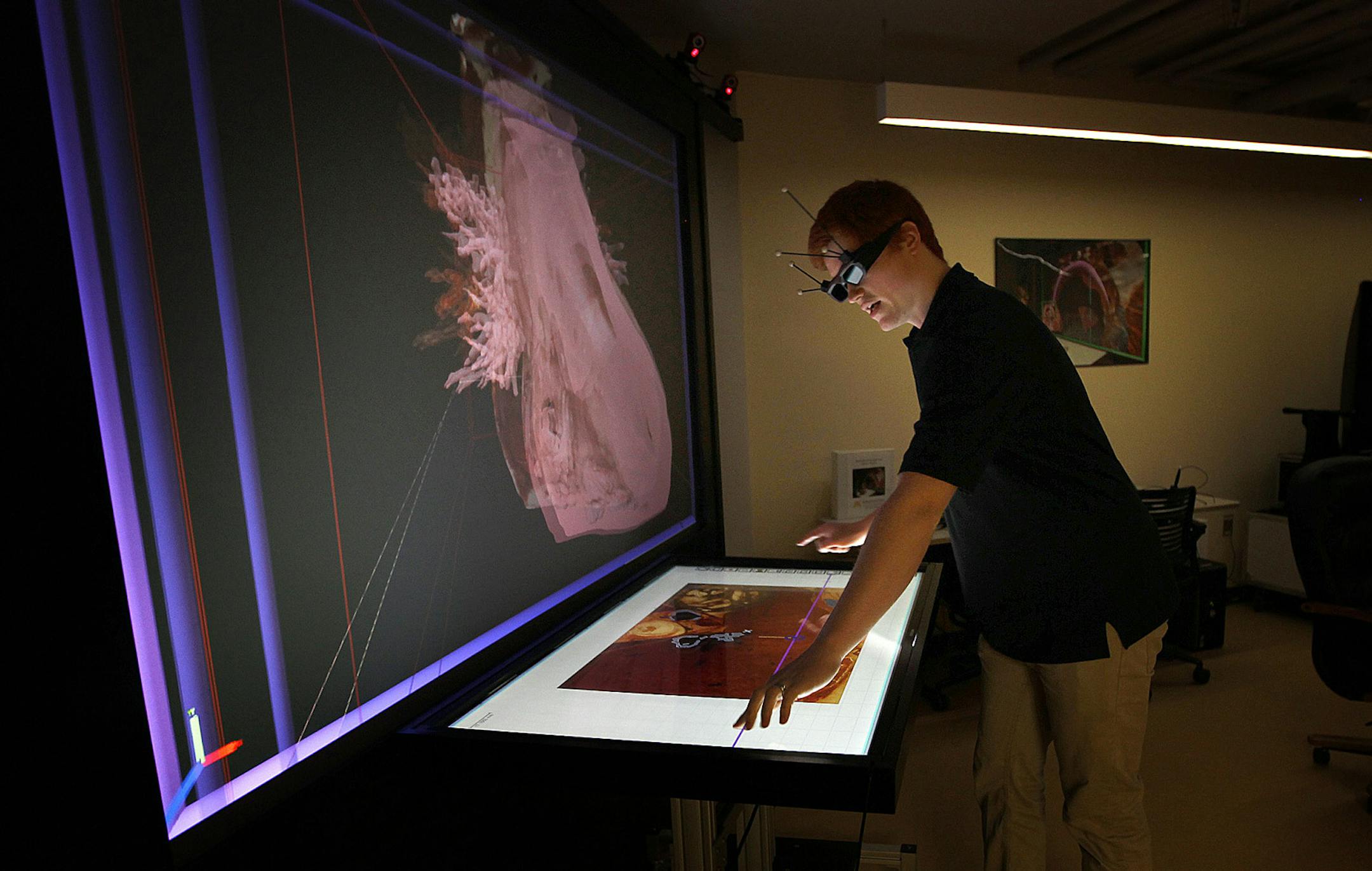
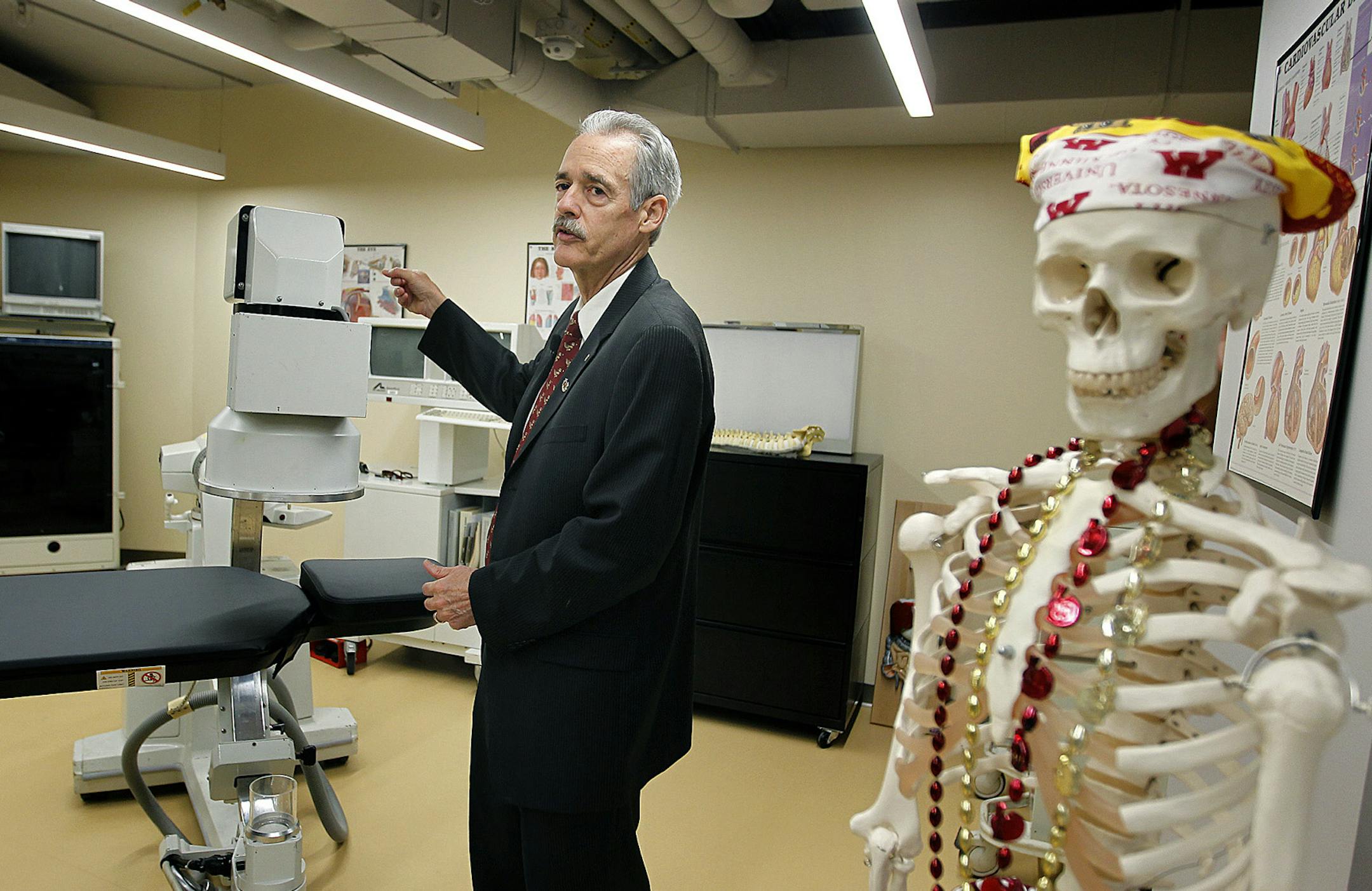
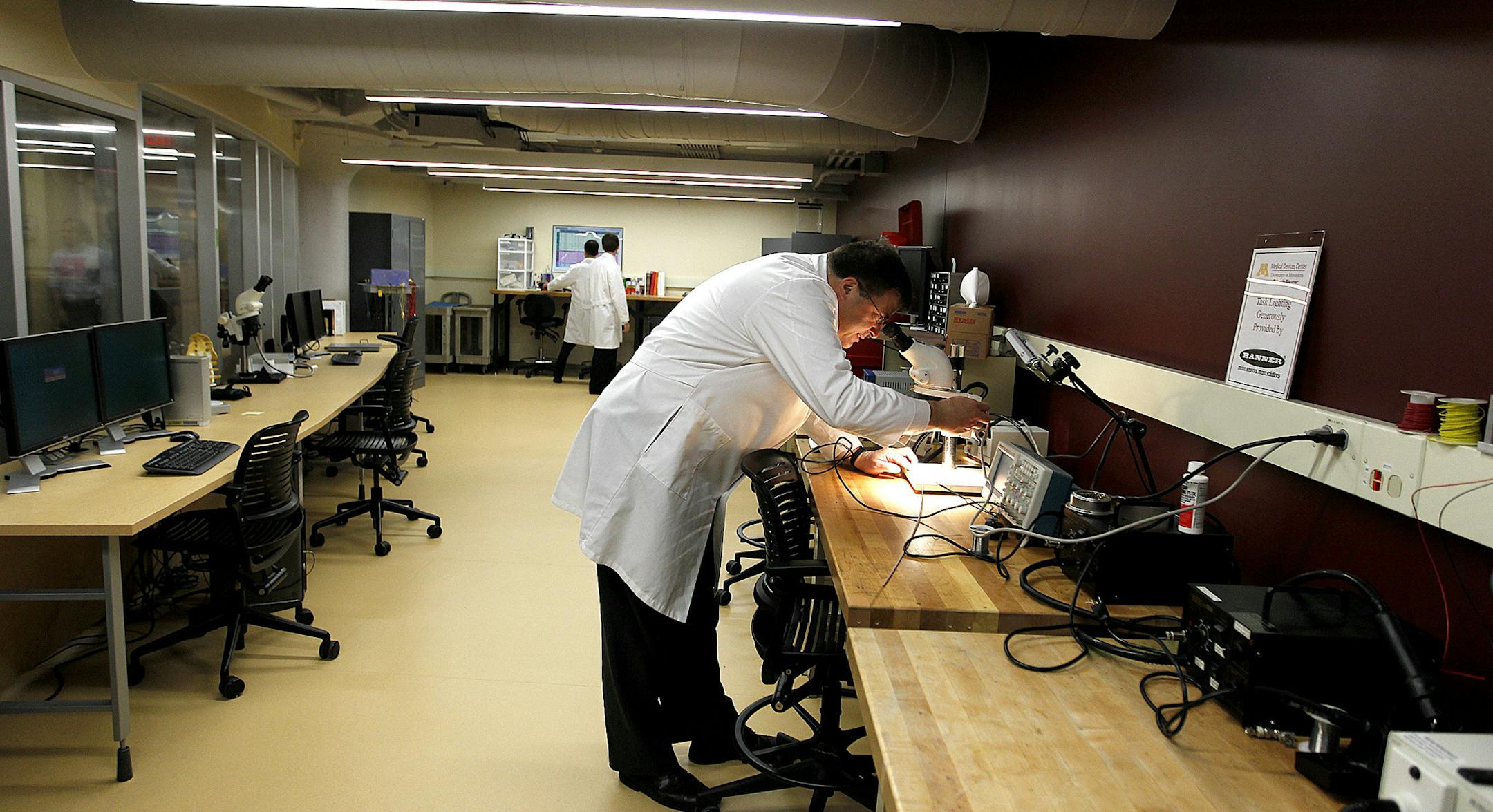
With its modern glass partitions and well-equipped labs, the 8,000-square-foot building replaces a smaller, 5-year-old center three blocks away. The $2.3 million facility features a 3-D virtual design lab, a fully equipped X-ray and imaging lab, an anatomy lab and a mechanical lab complete with drills, punch press, jigsaw and soon a 3-D printer from Stratasys Ltd. in Eden Prairie.
More important, the Medical Device Center cements the U's role in cutting-edge technology that originates in Minnesota. Once criticized for taking too long to get products to market, the U will use the center to connect with corporate partners, engineers and scientists from around the world. In fact, the center will be used by 100 students and serve as a think tank for eight full-time "innovation fellows."
Their job will be to help move prototypes through the commercialization process and into the hands of patients who need them. The original Medical Devices Center helped the U develop 58 patents in the last five years.
Arthur Erdman, director of the Medical Devices Center, hopes to move beyond that. He wants the new center to fully build and rigorously test device prototypes in partnership with companies and other scientists. Erdman said he also wants the facility to navigate through the legal and regulatory minefields and identify the market research needed to create commercially viable products and start-up companies.
"We can do that all, right here, without having to go downtown or across campus," he said, noting that collaborating with other departments will be critical.
If successful, the expanded center could help the U usher 20 to 30 new medical products to market over five to 10 years. Erdman added that the goal could be hampered by new federal health care changes, the new medical device tax, and the recent retreat of angel and venture capital investors in the medical technology industry.
Obstacles aside, if the center succeeds in creating 20 to 30 new FDA-approved medical devices, or techniques, "That's a lot. That output would be on the order of what Boston Scientific does. That's not bad," said Ralph Hall, a Faegre Baker Daniels attorney who also teaches FDA law at the U. The launch of the new center is part of the school's recent push toward innovation, Hall said.