

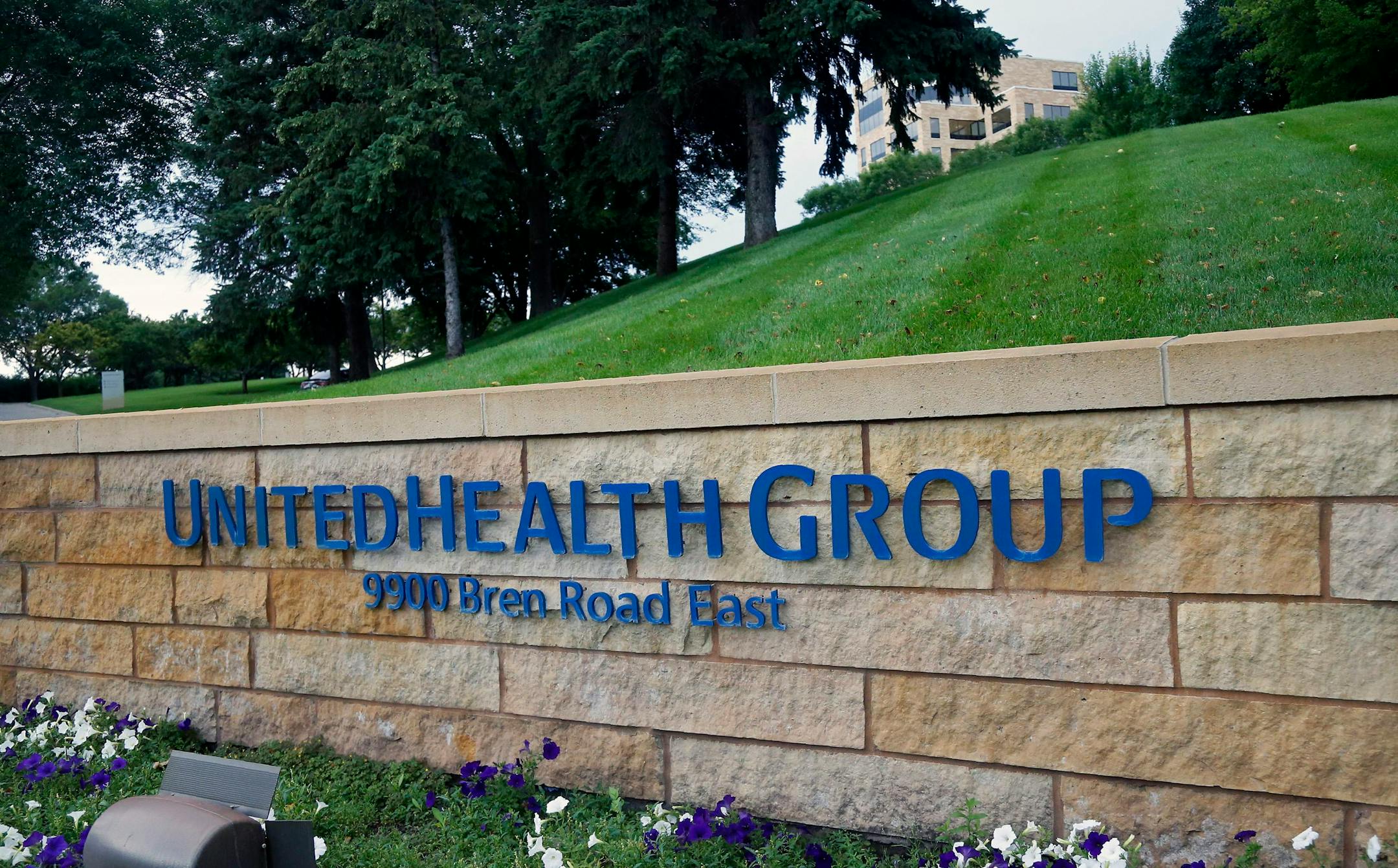
UnitedHealth Group boosted earnings guidance for the second time this year after a strong performance in the second quarter, even as it expects costs related to COVID-19 to continue in the coming months.
Earnings were off by roughly one-third compared with the year-ago quarter, when the Minnetonka-based health care giant posted huge profits amid an unprecedented shutdown of non-emergency health care due to the pandemic. The company operates UnitedHealthcare, the nation's largest health insurer, so premium revenue collected at the time far exceeded health care expenses.
Over the past year, health insurance earnings have moderated as patients have returned to the health care system. The quarter reflected those trends, with stronger financial results at the company's OptumCare business, which operates outpatient clinics, surgery centers and urgent care facilities.
"The second quarter saw overall care activity continuing to trend toward baseline or normalized levels," said John Rex, UnitedHealth Group's chief financial officer, during a call with investors Thursday. "We were gratified to see care activity for these populations begin to progress over the course of the quarter as vaccination rates advanced."
With quarterly profit and revenue beating expectations, UnitedHealth Group upped financial guidance for the year while touting growth prospects.
"The strengthening of our sales pipeline is a key opportunity as we emerge from the COVID market pause," UnitedHealth Group Chief Executive Andrew Witty said. "I have great confidence that we're emerging from the last 18 months of disruption with an unprecedented set of opportunities to help improve the health system for all of those we can serve."
UnitedHealth Group cautioned, however, that the pandemic is expected to weigh on financial results for the remainder of the year due to health care deferred in 2020, the cost of COVID-19 testing and treatment this year and broader economic factors. The company anticipates the bulk of pandemic expenses will hit during the second half of the year.
Executives have been watching for signs that deferred care will result in sicker patients who require more costly services when they return to hospitals and clinics.


