

Politicians in both parties seem to believe that the U.S. faces looming catastrophes that require a radical rethinking of economic policy. They're wrong. The nation certainly has serious challenges, but the foundations of the economy are healthy. Radicalism is not required.
The populist right and progressive left seem to agree that the dominant consensus in economic policy of recent decades — a central role for markets, friendliness toward globalization and free trade, and wariness of over-regulation — has been bad for Americans. This bipartisan consensus is predicated on the false view that the past several decades have been bad for typical workers and households.
The most recent example is President Joe Biden's wide-ranging executive order to bolster market competition. It contains 72 initiatives, some of which conservative populists will applaud. For example, the Biden administration will apply greater scrutiny to proposed technology-company mergers. It will encourage the Federal Trade Commission to establish rules restricting the ability of tech companies to accumulate data on users and to limit the power of large online retailers like Amazon to overwhelm smaller competitors.
It recognizes that the Department of Justice and the FTC have the legal authority "to challenge prior bad mergers that past administrations did not previously challenge." This is pretty radical because the administration seems set on moving antitrust policy away from the durable consumer-welfare standard, which has long defined monopoly power in part as the ability to raise prices above competitive levels. That standard, not a conviction that big is necessarily bad for market competition, has been supported for decades by the mainstream of both political parties and by the courts.
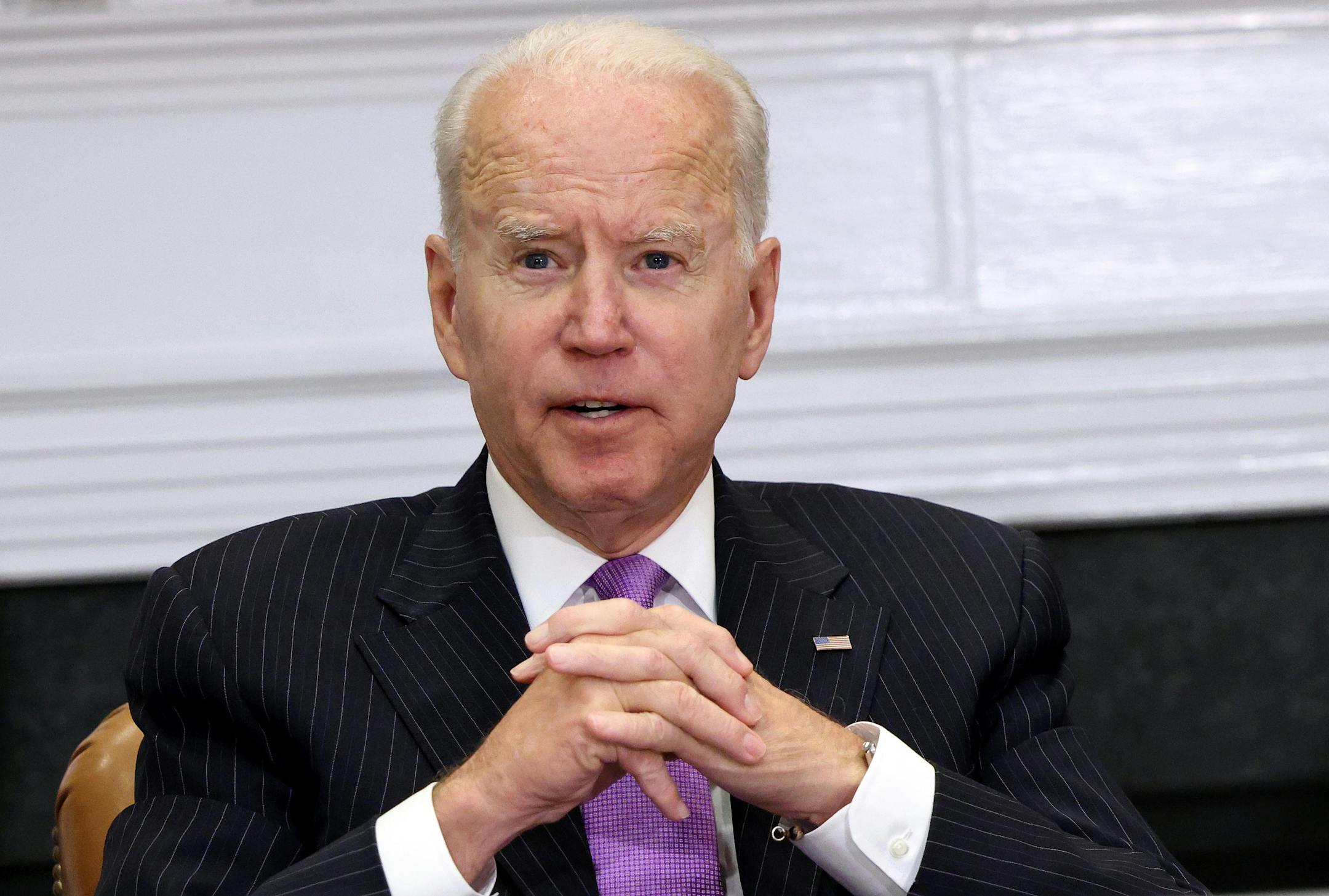
"We are now 40 years into the experiment of letting giant corporations accumulate more and more power," Biden said, referring the adoption of the consumer-welfare standard for competition policy. "And what have we gotten from it? Less growth, weakened investment, fewer small businesses." The president concludes, "I believe the experiment failed."
As with antipathy toward tech companies, the president will find allies among conservative populists. U.S. Sen. Josh Hawley, the rising Republican star from Missouri, has a bill that would ban mergers and acquisitions by companies with more than $100 billion of market capitalization.
According to Hawley: "While Big Tech, Big Banks, Big Telecom, and Big Pharma gobbled up more companies and more market share, they gobbled up our freedom and competition. American consumers and workers have paid the price."
Are things really this bad? Take the tech companies, which used to be considered crown jewels of the American economy. They plow money into research and development, hoping to generate new and better services for consumers. Online shopping has significantly expanded consumer choice while substantially reducing prices.


