


The leader of the nation's best-performing big bank, U.S. Bancorp Chief Executive Richard Davis, said the industry is still clawing back its reputation after driving the economy to near collapse eight years ago.
Pressed by an analyst on Wednesday to discuss the effect of Wells Fargo & Co.'s fake-accounts scandal, Davis suggested without mentioning Wells by name that the episode is another hurdle for an industry that has been poorly regarded since the 2008 global economic crisis.
"People love their banker, they like their bank. ... They don't so much like the industry," Davis said while discussing the bank's third-quarter results. "We're sadly years away from getting that right. But if every banker does a better job, despite what happens on occasion in one location or another, we've got a fighting chance to bring this thing back."
Davis said Minneapolis-based U.S. Bancorp, which runs the nation's fifth-largest bank, did not make a high priority of "cross-selling" services to customers, the practice that led Wells Fargo employees to open fake accounts in order to hit internal performance targets.
"I don't even know what the cross-sell is at this bank. Honest to God, I've never ever looked at that number," Davis said. "I would guess it's between two and four because nobody at any part of their life needs more than two to four services from a bank."
He added that U.S. Bank doesn't set quotas on employees.
"What we do, instead, is to ask our employees to make sure people know what we have, so that if their life needs change, and we're a trusted partner, they'll ask us for it," Davis said.
His comments came as investors absorbed the company's latest quarterly results, which showed a 1 percent gain in net profit on stronger-than-expected revenue growth. Mortgage refinancing and a jump in commercial loans helped drive the overall performance.
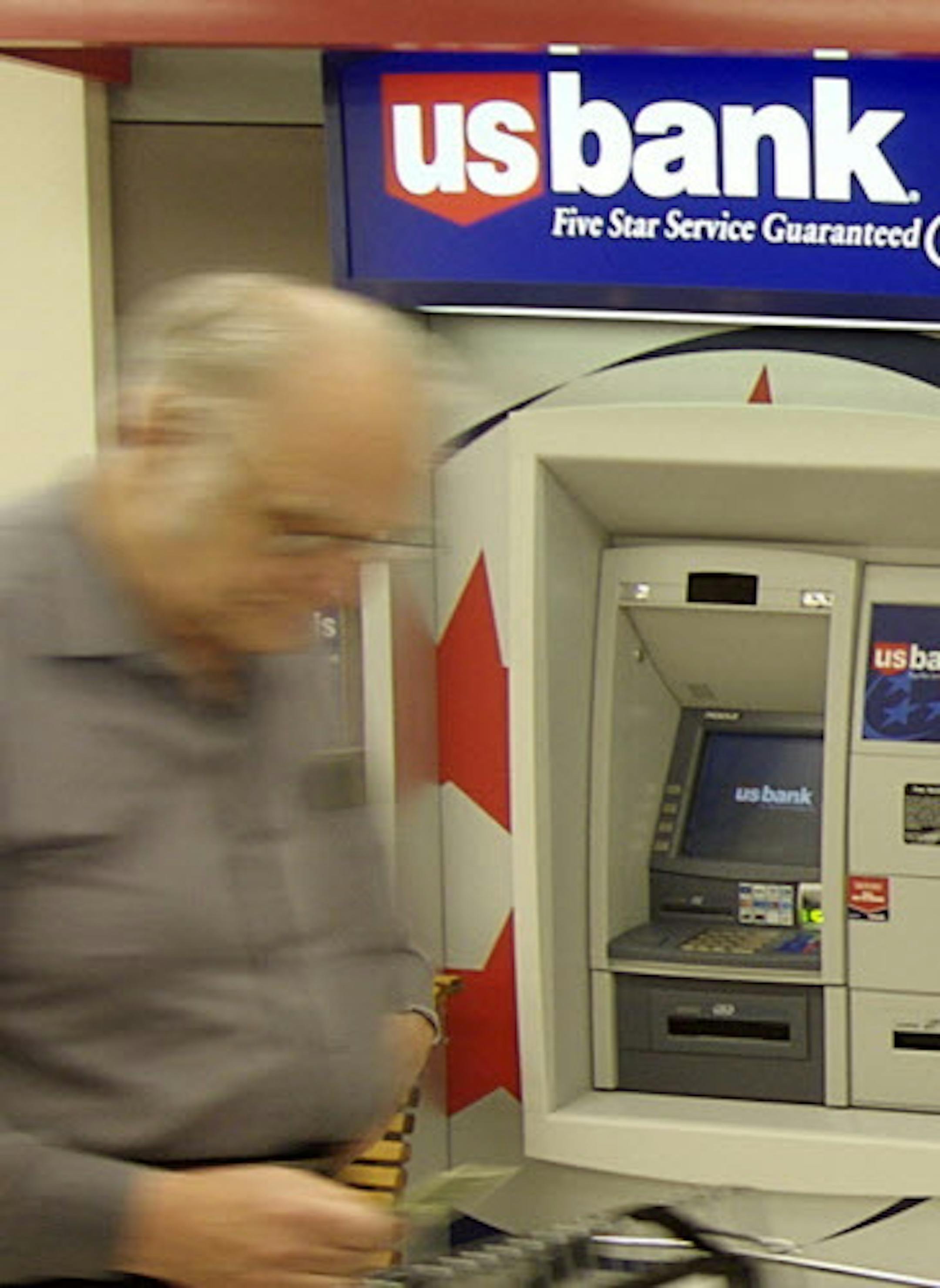
![GLEN STUBBE \u0301 gstubbe@startribune.com -- Tuesday, March 16, 2010 -- Minneapolis, Minn. -- ] Richard Davis, chief executive of U.S. Bancorp and chairman of the Financial Services Roundtable, one of the nation's most powerful bank lobby groups.](https://arc.stimg.co/startribunemedia/UTGHY3GI7E45PKNC3L2VD3KB24.jpg?&w=1080)


