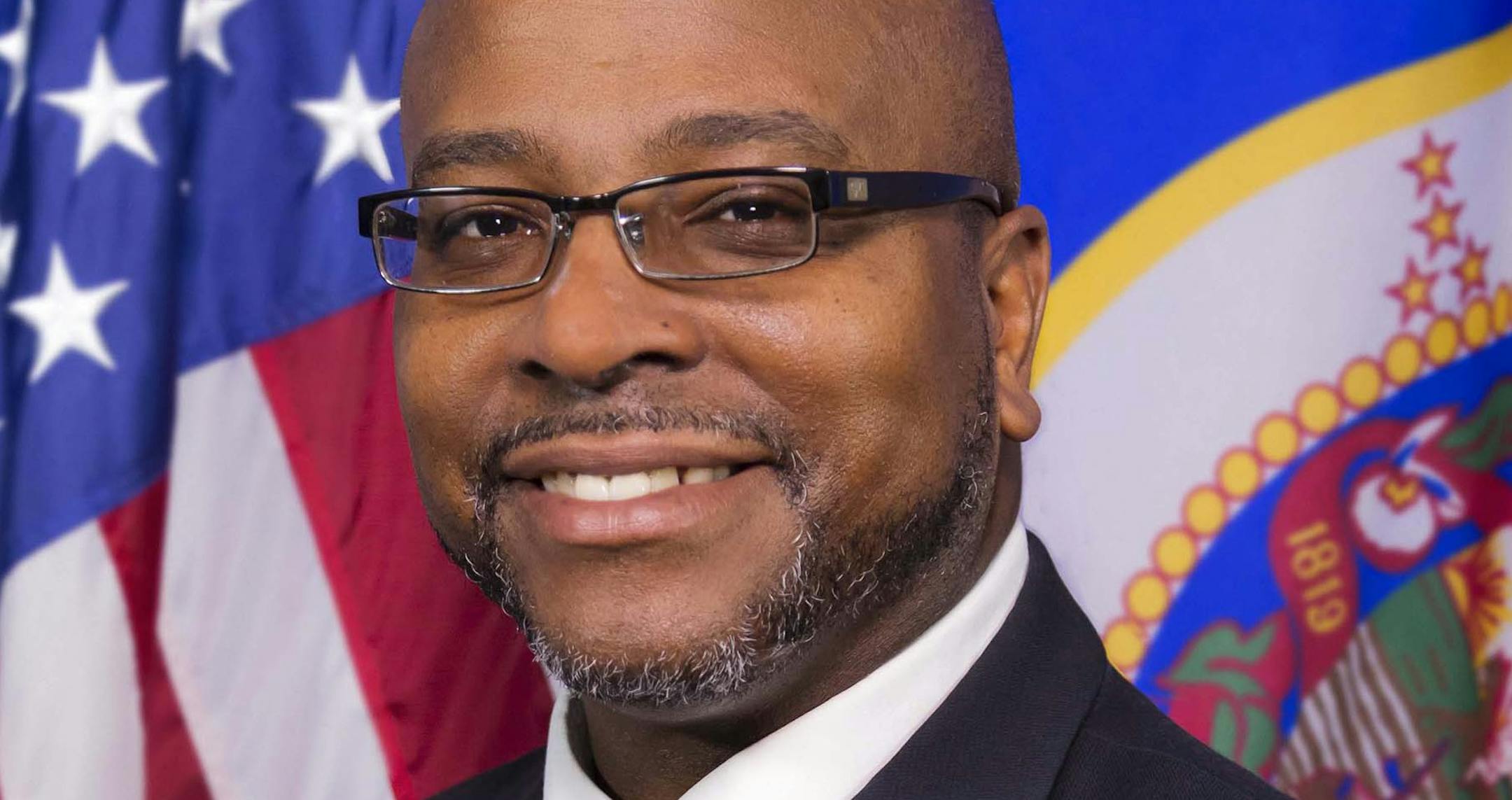
![Jim Schowalter, who previously served in Gov. Mark Dayton's administration, was named as Myron Frans' successor as head of MMB. ] GLEN STUBBE • glen.stubbe@startribune.com Wednesday, August 12, 2020 Myron Frans, the state's top finance official, announced Wednesday that he is leaving Gov. Tim Walz's administration to take a senior leadership position at the University of Minnesota. Jim Schowalter, who previously served in Gov. Mark Dayton's administration, was named as Frans' successor.](https://arc.stimg.co/startribunemedia/HPQGK7LDVFVFOJXJRZTT3XIZDI.jpg?&w=1080)
State economists will predict Minnesota’s financial future Tuesday, which Gov. Tim Walz said looks “materially better” than it did last spring as the pandemic took hold.
But with massive uncertainties about the course of the country’s COVID-19 fight and other big political unknowns, the two new members of Walz’s Cabinet charged with stewarding Minnesota’s finances are warning that conditions could still shift.
“We don’t know if the [Affordable Care Act] is going to get struck down by the Supreme Court. We don’t know if there’s going to be additional help to deal with the costs of the pandemic. … We don’t know if the vaccine is going to be in wide distribution until this spring or later,” Management and Budget Commissioner Jim Schowalter said.
Schowalter and Revenue Commissioner Robert Doty took over agencies that are shaping Minnesota’s budget at one of the most uncertain times in state history. Both men have spent years balancing budgets — Schowalter worked in the same or similar roles with three other governors — but they are entering new terrain amid the COVID-19 pandemic.
“This budget is going to be different,” Schowalter said.
An October analysis predicted there would be a $2.3 billion deficit in the current budget and a $5 billion gap in the next two-year budget. But those numbers did not account for the state collecting $805 million more in revenue than was predicted during the last forecast in May. If that trend continues, there’s a chance this year’s $2.3 billion gap could disappear.
But with so many unknowns, Doty said they are not eliminating any options to address financial challenges. Walz has said he is considering budget cuts, tax increases, fund shifts or using reserves.
In January, Walz must present his spending plan for the next two years. Then come months of debate with a divided Legislature, where Republicans control the Senate and Democrats lead the House.