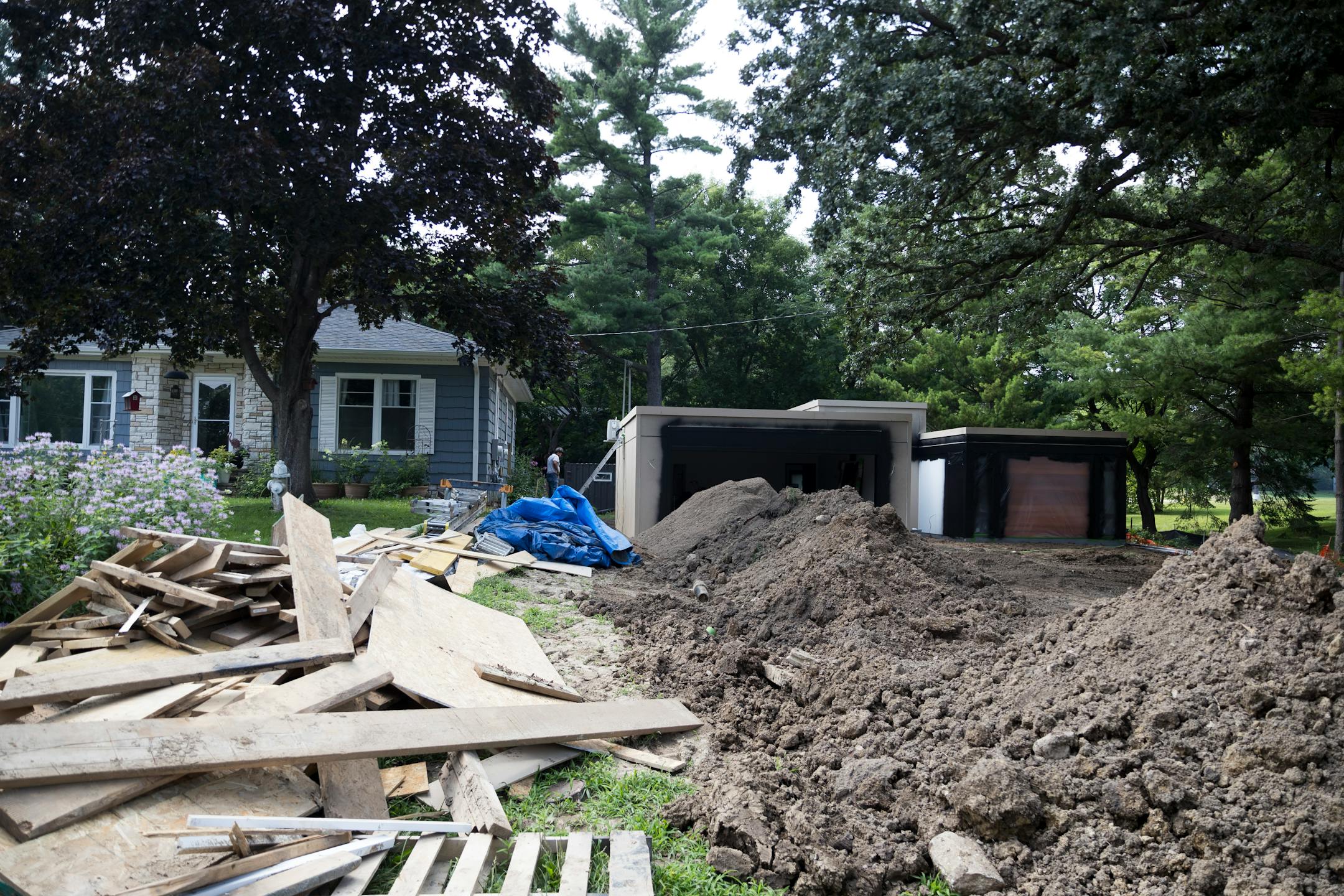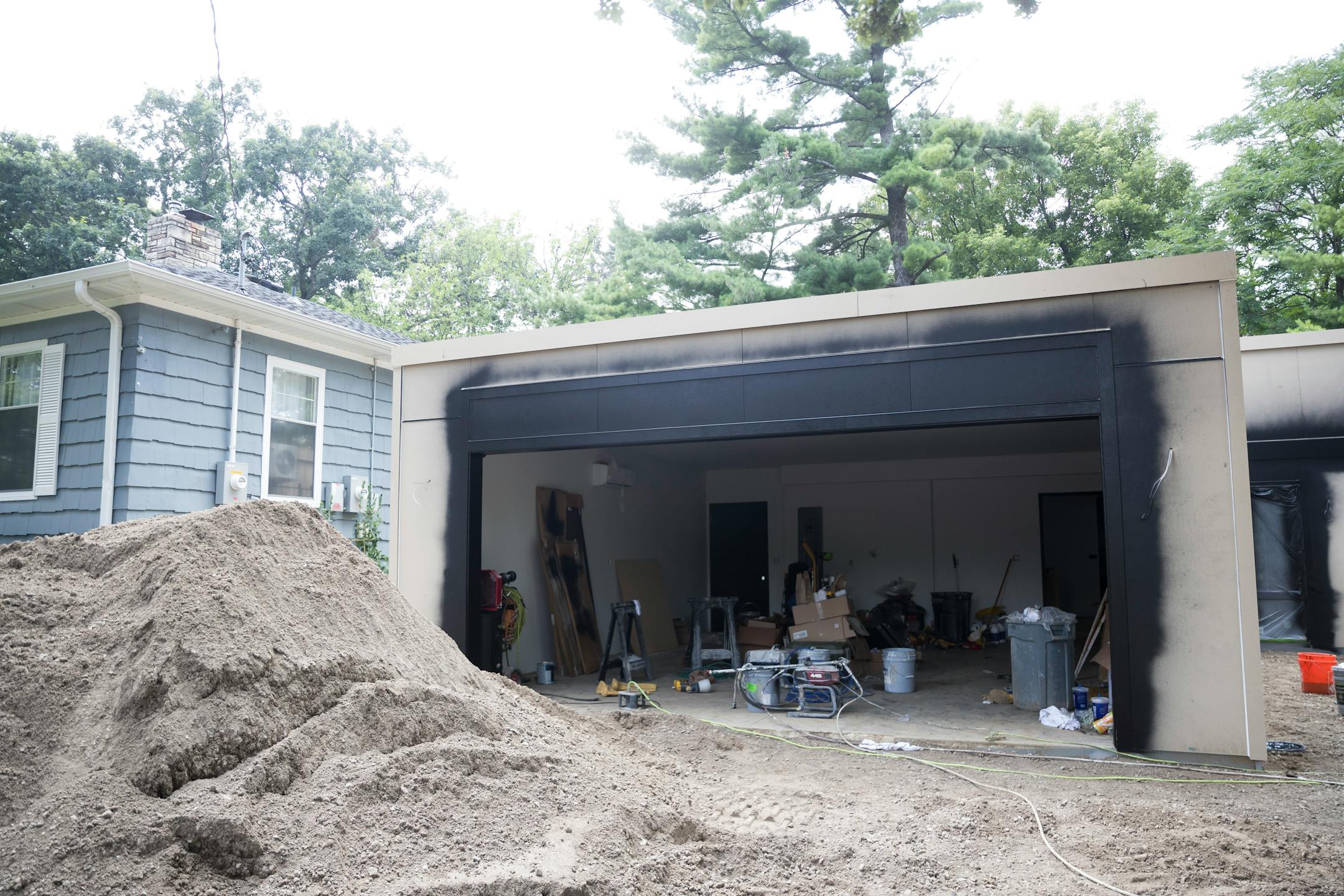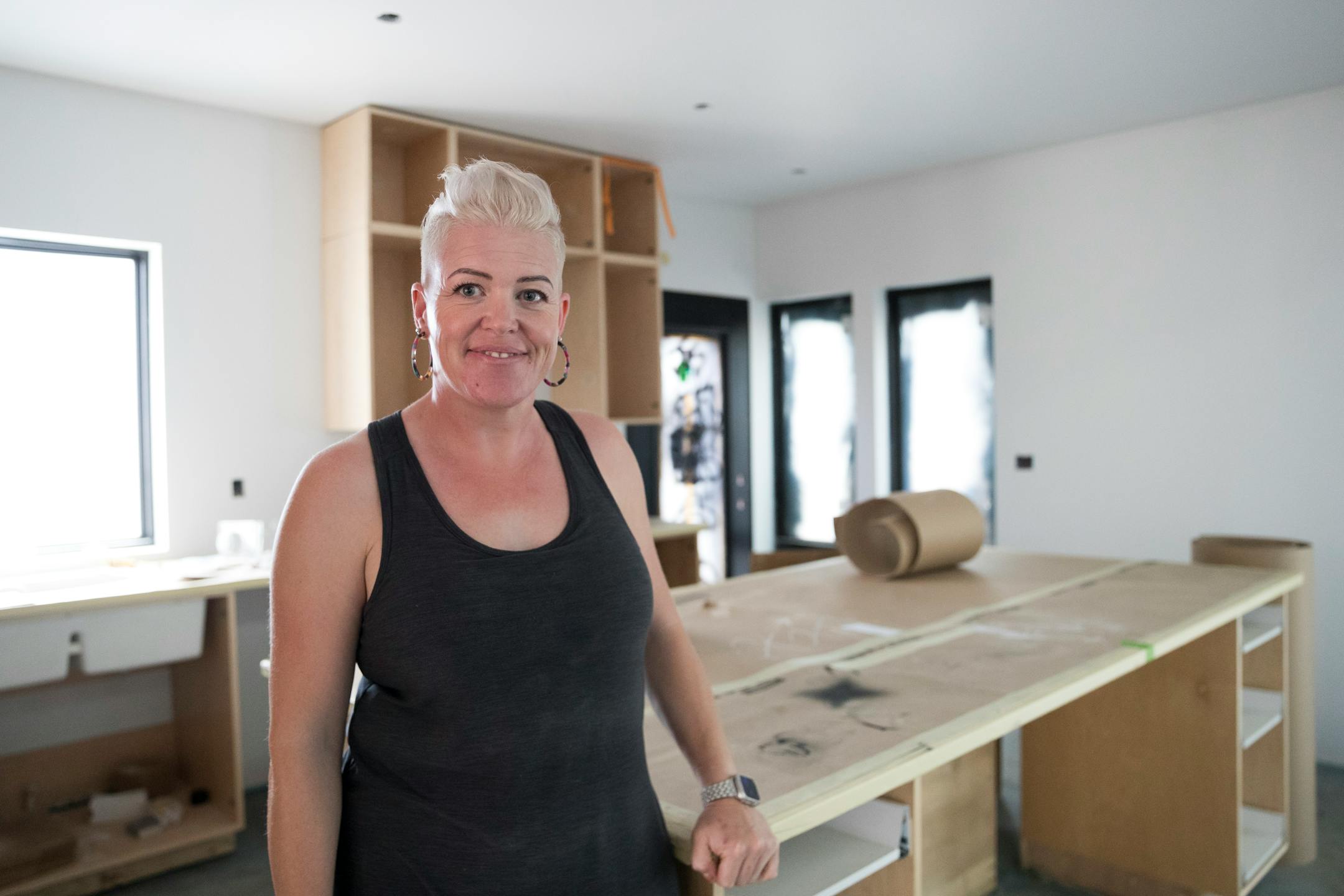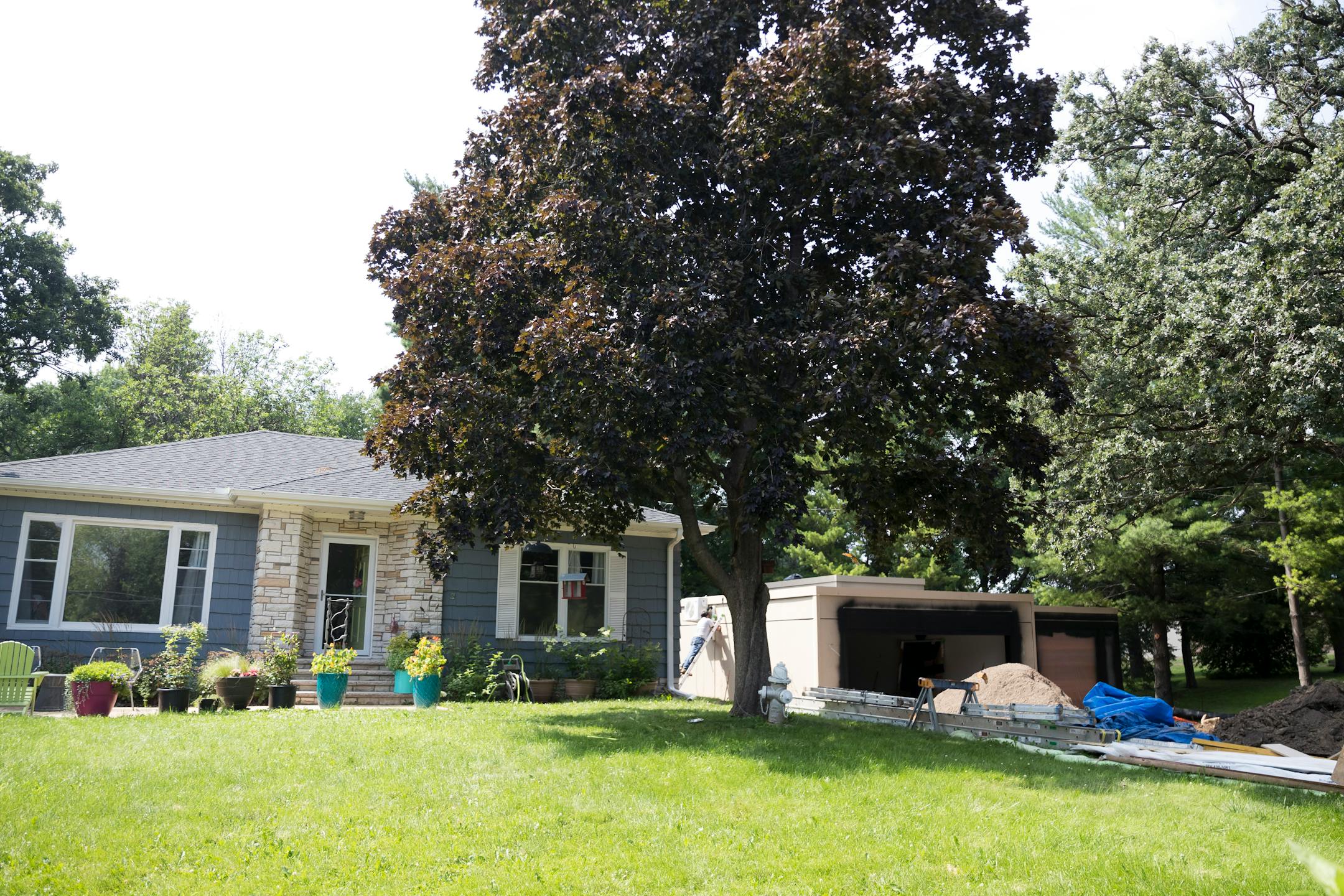
Neighbors are so curious about the construction happening in Susan Eder Cunningham’s yard that she put up a sign with a link to the blog where she explains what it’s like to build Golden Valley’s first detached accessory dwelling unit.
“Being the first one, you never know how the neighborhood is going to react,” said Cunningham, who plans to rent out the main house and spend her retirement in the tiny home. “I want them to be invested in it.”
More Minnesota cities have greenlit the structures, known as ADUs, as leaders try to tackle housing shortages without adding so much density it changes a neighborhood’s feel. They have grown in popularity across the country, with California, Oregon and, most recently, Iowa permitting them statewide.
But while construction of the backyard dwellings has exploded in other metro areas, they have been slow to take off in the Twin Cities. Industry experts cite high costs, strict city regulations and opposition to added density as barriers.
Many suburbs that allow ADUs — such as Edina, Bloomington and Burnsville — have only approved one or two of them in recent years, according to Metropolitan Council data tracking building permits from 2016 through 2024. And some cities that have OK’d a larger number of permits, including Minnetonka and Crystal, report that many are for interior ADUs, such as basement or garage apartments.
While the dwellings can start in the $200,000 range, Cunningham’s 900-square-foot ADU, with an attached garage, will cost $400,000. The custom-made home, featuring large windows and turquoise floor stain, is designed to be energy efficient and wheelchair accessible.
“The cost per square foot is higher for an accessory dwelling unit than for a conventional single-family home,” said David Morley, with the American Planning Association.
Blaine recently received its first ADU request after allowing them a few years ago. But when homeowner Alex Pepin proposed renting out a backyard unit to a family in need, neighbors quickly raised concerns about density and safety.