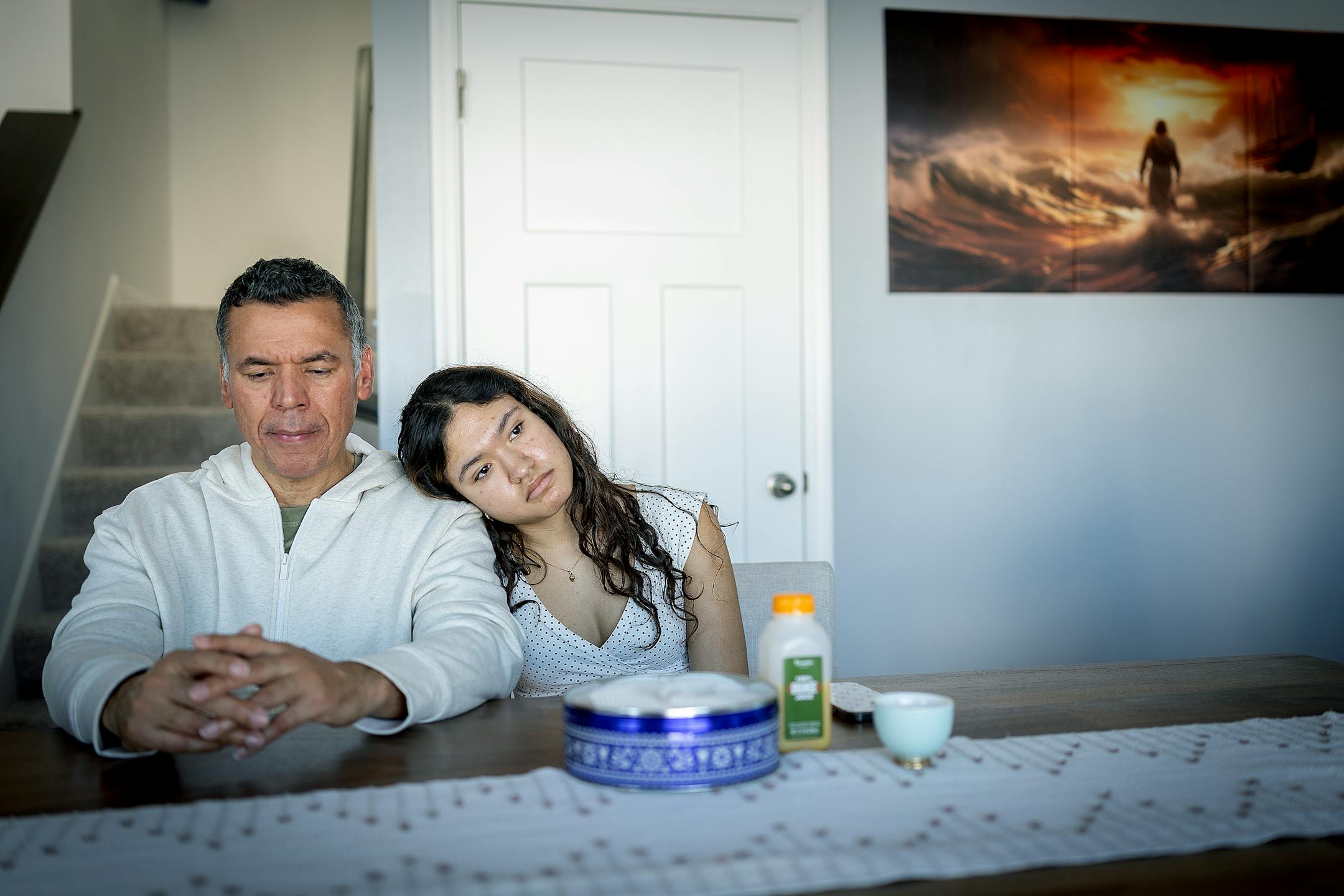
Moments before handyman Pablo Nieves was detained outside a Home Depot in Plymouth, he called his daughter, Valeria.
An Immigration and Customs Enforcement agent had shot and killed Renee Good in south Minneapolis the day before, and Valeria was queasy about going to school. Pablo tried to assuage her fears, telling her he’d just spoken to her counselor about transferring her to online classes.
They hung up. Pablo bought a load of building materials and loaded his car. Suddenly, federal agents blocked him in.
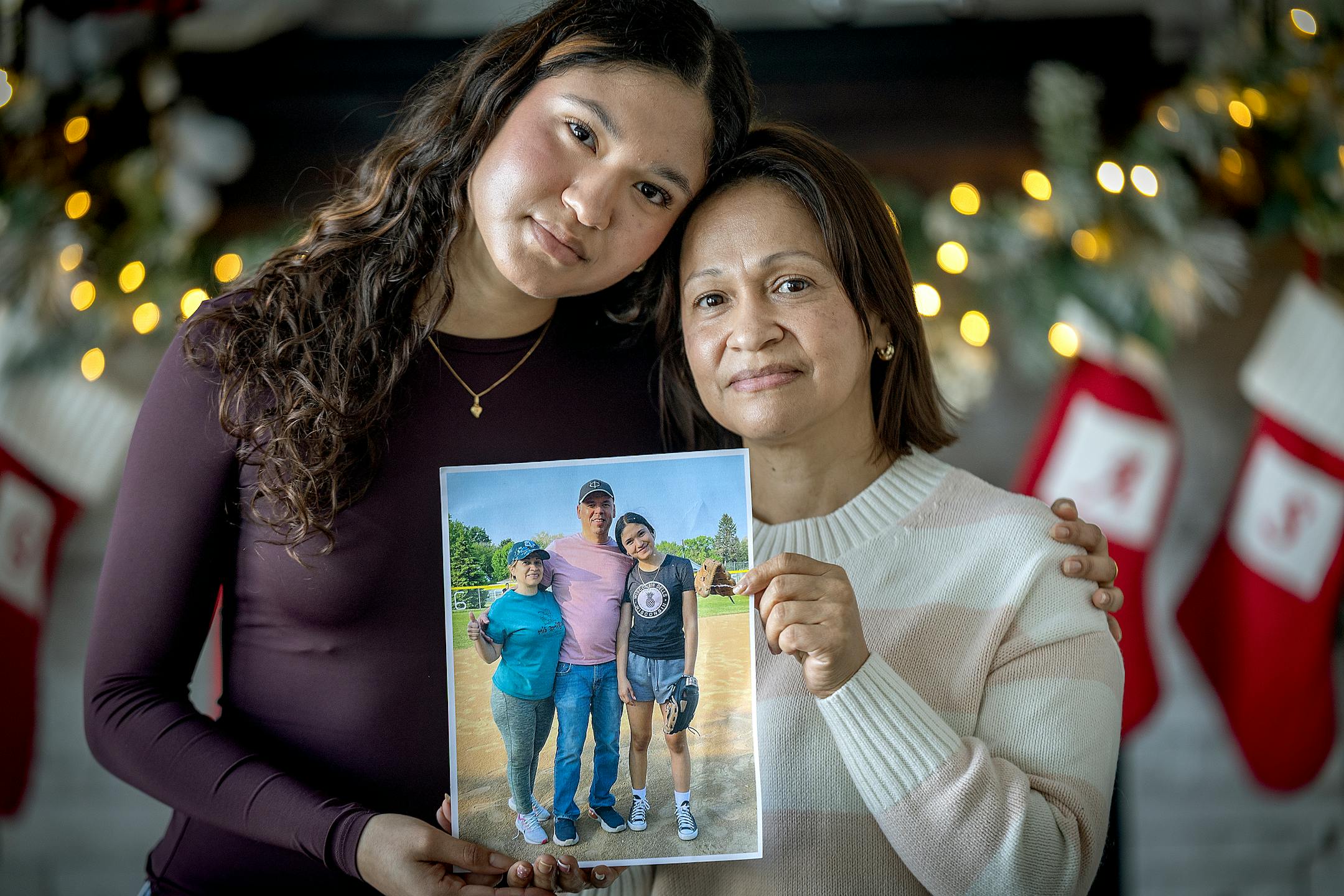
For five years, the Nieves family lived and worked in the United States with the federal government fully knowing their whereabouts. So it came as a surprise when ICE detained Pablo last month.
His experience highlights the increasing peril that immigrant families face as they try to navigate a confusing immigration system under President Donald Trump, where the rules around asylum-seekers are in constant flux.
Previous administrations allowed immigrants seeking asylum to remain in the U.S. while their case moved through the court system. But in Minnesota, the Trump administration detained and transferred people to out-of-state detention centers before they have received final removal orders.

Pablo and his family arrived in the United States from Venezuela legally on a nonimmigrant visa in 2018 and applied within a year for asylum from persecution in their home country. Under the Biden administration, the U.S. granted as many as 76% of asylum applications from Venezuelans, according to the Transactional Records Access Clearinghouse at Syracuse University. But that has since flipped to a 76% rejection rate this year.
Since the Nieves family’s applications are pending, their lawyer, Kelsey Allen, declined to share why they asked for asylum. But with growing asylum backlogs each year, Pablo overstayed his visa, a civil offense.