

Opinion editor’s note: Strib Voices publishes a mix of guest commentaries online and in print each day. To contribute, click here.
•••
There is a Somali proverb that came to mind when reflecting on the vitriol that has been coming from the White House recently: The loud hyena warns you, but the quiet hyena harms you. In Somali wisdom, the quiet hyena is more dangerous than the loud one. The loud hyena warns you with its noise so you know it is coming. Someone who tells you the truth, even if it hurts, is like the loud hyena, giving you a warning.
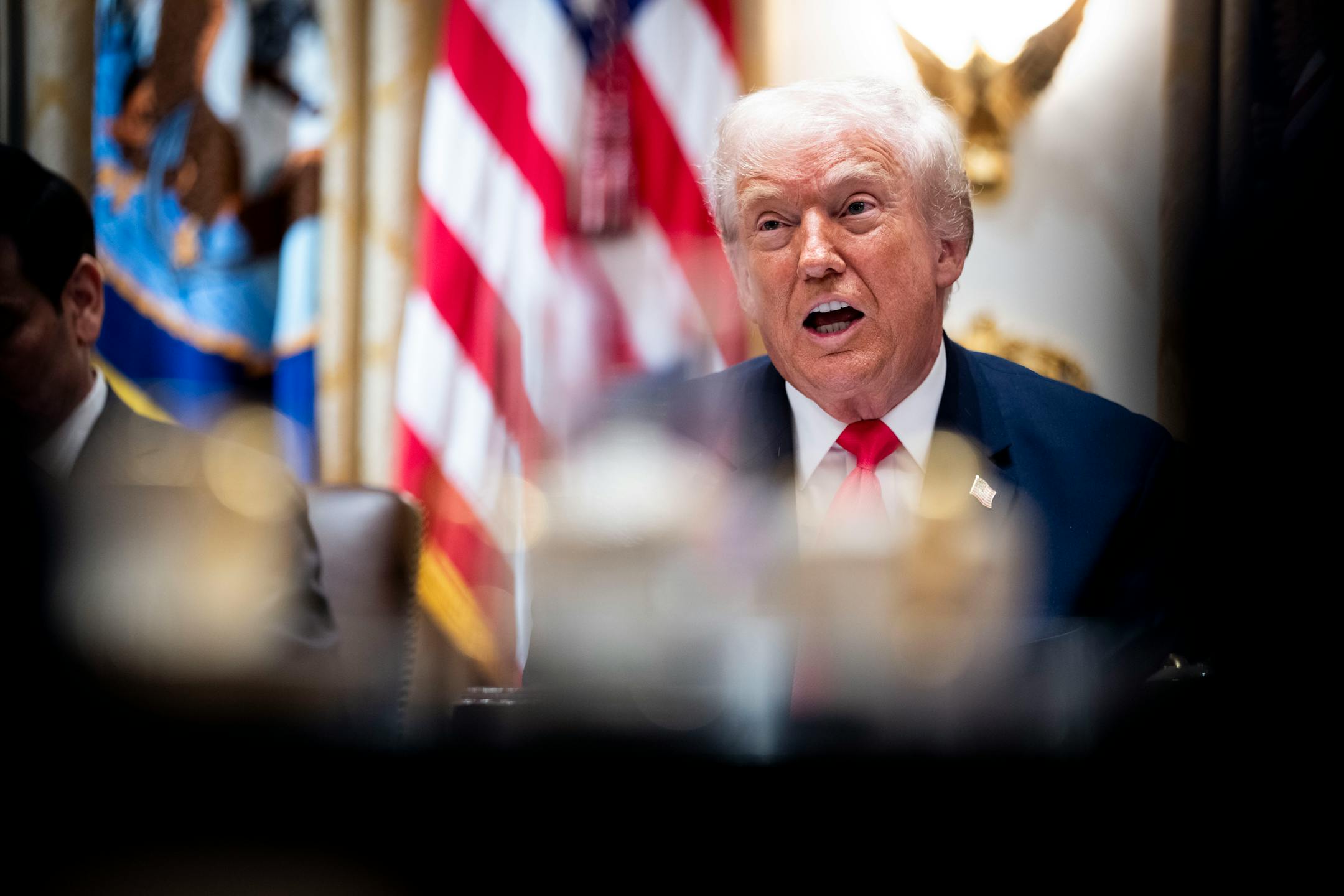
I would argue that President Donald Trump is a loud hyena, though his truth is mixed with untruth. His simplistic stereotyping was uncalled for, and it is not right to call any human being garbage. But it is true that the Somalis involved in large-scale fraud should face the consequences of their poor choices. (Of course, the people who authorized the release of funds to these thieves should also be held accountable for their lack of proper oversight.) And it is true that we Somalis need to ask ourselves what role we may have played in becoming the target of such hostile criticism.
Just like everyone else, Somalis need to take responsibility for their behavior. It’s time to stop blaming others for our wrong choices. Blaming is self-sabotage; it keeps us stuck in our problems and prevents us from taking steps toward solutions. It’s time to get rid of the victim mentality, waiting for others to fix or change things for us.
Second, we need to reframe the insult. Somalis, we are people with potential. It is time to make sure our actions prove this. It is true that we have come from a place where the rules won’t really protect you, so bending the rules feels acceptable or necessary. But that didn’t work in Somalia, and it won’t work here either.
Many Somalis lived through decades of state collapse, with corrupt and violent conditions. We saw how rules were enforced unfairly and were used to harm rather than protect people. This experience with broken systems and injustice created rule skepticism. On top of that, moral obligations to one’s clan often outweighed obligations to obey formal laws. Sometimes clan loyalty helped people survive.
But here in the U.S., Somalis need to shift their mindset. The government does not exist for personal gain. Too often we approach a situation thinking: “What can I get?” But is it time to ask, “How can I contribute?” or “What can I do to help my family, neighbors and community?” It is time to prove that we are willing to uphold values of hard work, faith and resilience, and to support and build up the communities that have welcomed us.


