Travelers soldier on through MSP delays, cancellations

The FAA mandated each airline cut 4% of its traffic on Friday, with a goal of cutting 10% in a week if the government shutdown is not resolved.

The Minnesota Star Tribune
November 7, 2025 at 11:13PM
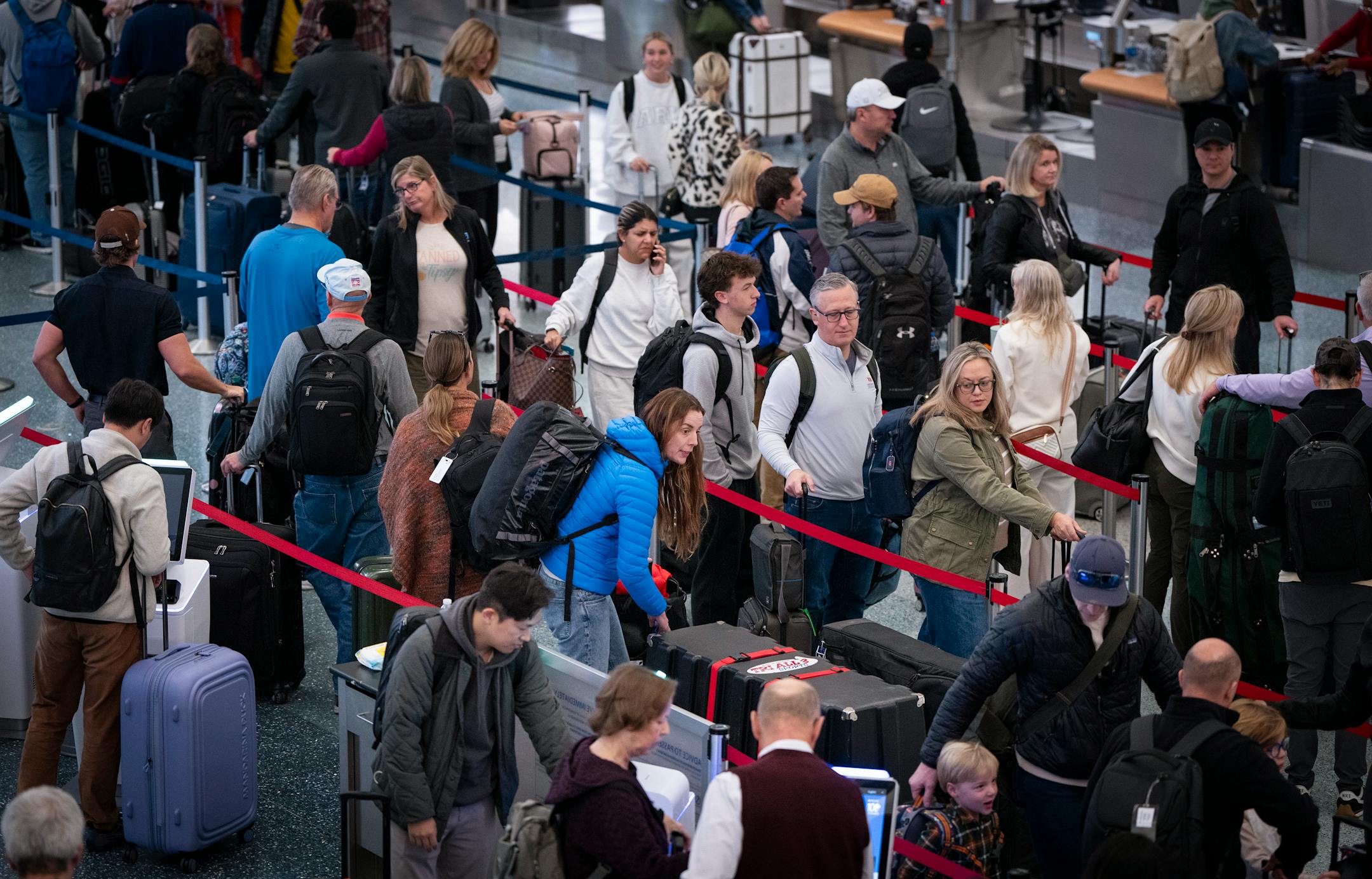
Travelers line up at the Delta check-in area in Terminal 1 at Minneapolis-St. Paul International Airport on Friday. (Leila Navidi/The Minnesota Star Tribune)

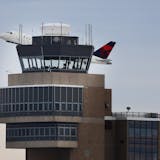
Travelers navigated Minneapolis-St. Paul International Airport in stride Friday as the longest federal government shutdown in history ushered in a mandate to ground dozens of planes.

Airlines slashed hundreds of flights, including 38 at MSP on Friday, to comply with a directive from the Federal Aviation Administration (FAA) meant to relieve pressure on overtaxed air traffic controllers. The mandate, which required a 4% reduction Friday, came at the direction of the Trump administration without any request from air traffic controllers.

Over the next week, the directive phases in steeper flight reductions toward a goal of 10% of each airline’s domestic air travel by Nov. 14. The mandate did not order a reduction in international travel.

The disruptions played out against the backdrop of a stalemate in Washington, D.C., as Democrats in Congress held firm in their resolve not to vote to reopen government until expiring health insurance subsidies were restored, while Republicans insisted on reopening the government before debating the matter. Air traffic controllers are forced to work without pay during the impasse.

Both inbound and outbound flights at MSP were canceled Friday, with dozens more cancellations slated through the weekend, forcing some travelers to find last-minute workarounds. Common disruptions like nearly missing a connection carried the added weight of knowing fewer backup plans were available, travelers said in interviews.

Affected destinations included Chicago, Denver, Minot, N.D., and Green Bay, Wis.

Despite scattered delays, national on-time flight performance remained high — above 93% — and cancellations stayed below levels commonly seen during severe weather or IT outages, according to data from Cirium, an aviation analytics company.
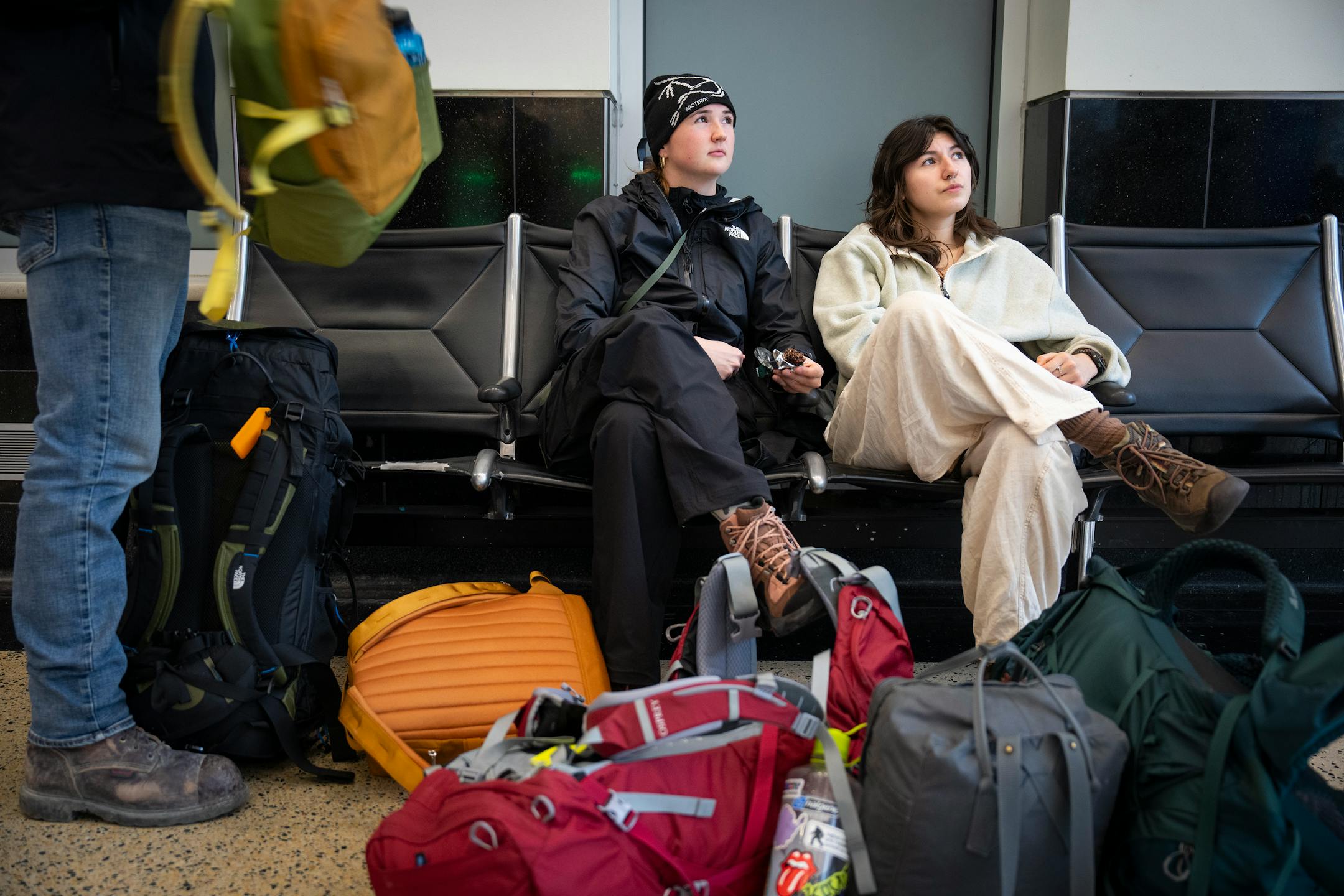
Meghan Colburn, left, and Sierra Garand arrived several hours early for their flight in Terminal 2 at Minneapolis-St. Paul International Airport on Friday. (Leila Navidi)

Delta Air Lines, the dominant carrier in the Twin Cities, slashed 180 flights nationwide, including 14 at MSP, Delta’s second-busiest hub. Most of the local reductions were made on regional routes run by its wholly owned subsidiary, Endeavor Air.
As of Friday afternoon, the airline had set all its flight cancellations through Sunday, a spokesman said — perhaps a relief to travelers coming to town for the Vikings game Sunday. Delta’s travel waiver was extended through Nov. 14.

Minnesota-based Sun Country Airlines, the second-most-traveled airline at MSP, cut no flights in or out of MSP on Friday, though the FAA-ordered slowdown was affecting its schedule. A spokeswoman said customers whose flights had been canceled through Nov. 14 had been contacted with alternatives.

With no clear end to the federal shutdown in sight, industry and union leaders continued to call on federal lawmakers to act.

In a statement Friday, the trade group Airlines for America said more than 3.5 million people had experienced delays or cancellations since the shutdown began Oct. 1. With the Thanksgiving travel season coming later this month and no clear path yet to end to the gridlock, the group said the situation is “not sustainable.”

Federal airport employees — air traffic controllers and Transportation Safety Administration officers — continue to show up to work without the promise of a paycheck. Many are looking for side jobs or borrowing money to make ends meet.

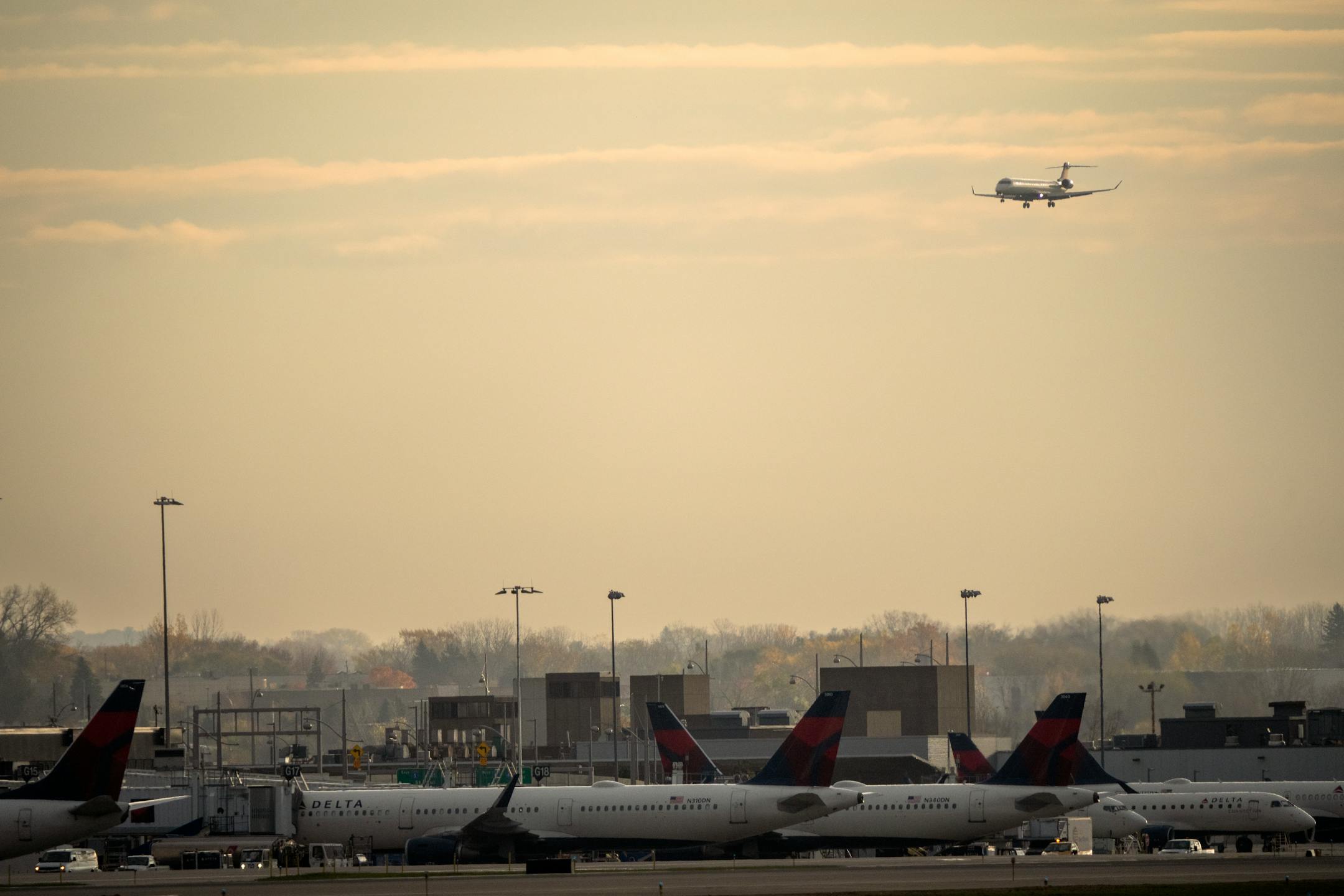
A plane lands at Minneapolis-St. Paul International Airport on Friday. (Leila Navidi)

“They’re frustrated. They’re angry. They’re nervous. They’re worried,” Drew MacQueen, a Midwestern regional union leader with the National Air Traffic Controllers Association, said of controllers in Minnesota.

MacQueen, who last week met with the MSP control tower employees, said worries about making ends meet are prompting veterans to quit.

MacQueen said the federal government’s decision to start canceling flights isn’t a solution air traffic controllers asked for, and won’t make a difference in whether they decide to keep coming to work without pay.

“I don’t think it matters to us,” he said. “The majority of controllers — 98 percent — are already still going to work, by evidence of the thousands of flights that are still flying every day.”

Heather McNevin, a Minnesota State University professor who until last year worked as an air traffic controller, said any relief from a reduced schedule is “marginal” for the people who direct planes safely through the sky.

Directives to reduce traffic flow are commonly issued, McNevin said, though usually involve a specific constraint causing demand for travel to exceed capacity — a Super Bowl, a thunderstorm or construction on a runway.

“Normally, we do this very strategically,” McNevin said. “I don’t know that it was necessarily the most efficient implementation to deal with the situation, but it’ll have some marginal impact on the controller workforce. What would be better is if they would just pay them.”

Air traffic control staffing was under strain at airports in San Francisco, Dallas, Philadelphia and Washington, D.C., but not MSP, according to the FAA’s dashboard Friday afternoon.

MSP passenger Kelly Fails, 55, said Friday he would be “rolling the dice” and spending another night at his Twin Cities hotel if his airline canceled his return flight.

“That’s all we can do,” he said. “If I get stuck here, good. I’m going to go have more fun at the mall.”

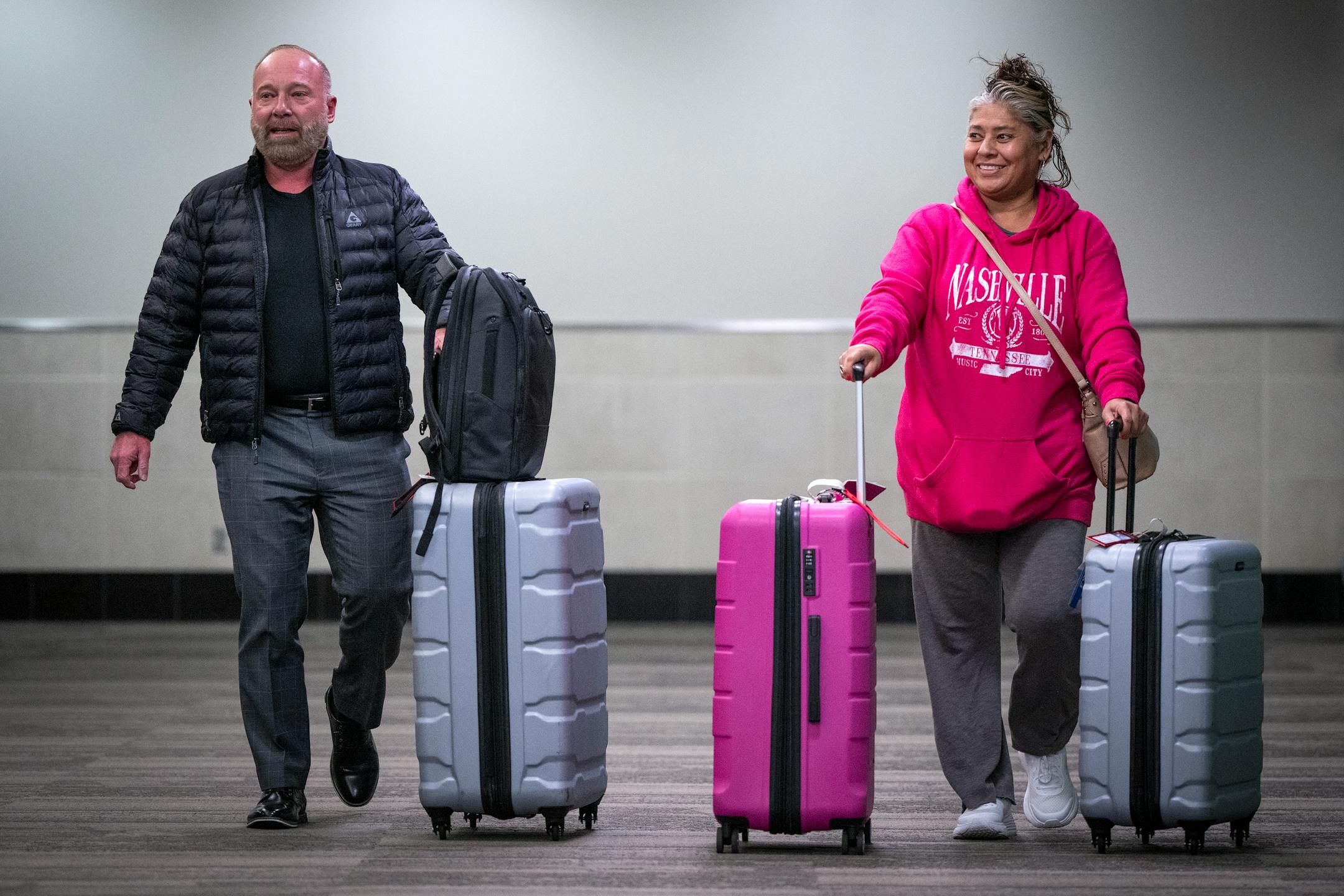
Kelly Fails, left, who is visiting Minneapolis from San Antonio, Texas, for a business trip with his friend Josefina Hernandez, right, walks through Terminal 2 after picking up luggage at Minneapolis-St. Paul International Airport on Friday. (Leila Navidi)

Emmy Martin, Kyeland Jackson, Victor Stefanescu and Simon Peter Groebner of the Minnesota Star Tribune contributed to this story.

about the writer

about the writer

Bill Lukitsch

Reporter

Bill Lukitsch is a business reporter for the Star Tribune.

See Moreicon

More from Business

See More
card image
Richard Tsong-Taatarii/The Minnesota Star Tribune

Owners believe many customers are avoiding the businesses for fear of drawing unwanted scrutiny.

card image