
Tolkkinen: Without funding, state’s new child protection law will land hard on rural counties

The law, which seeks to keep intact Black families and others who are over-represented in the system, has been halted in the metro.

Columnist Icon
The Minnesota Star Tribune
December 16, 2025 at 12:00PM
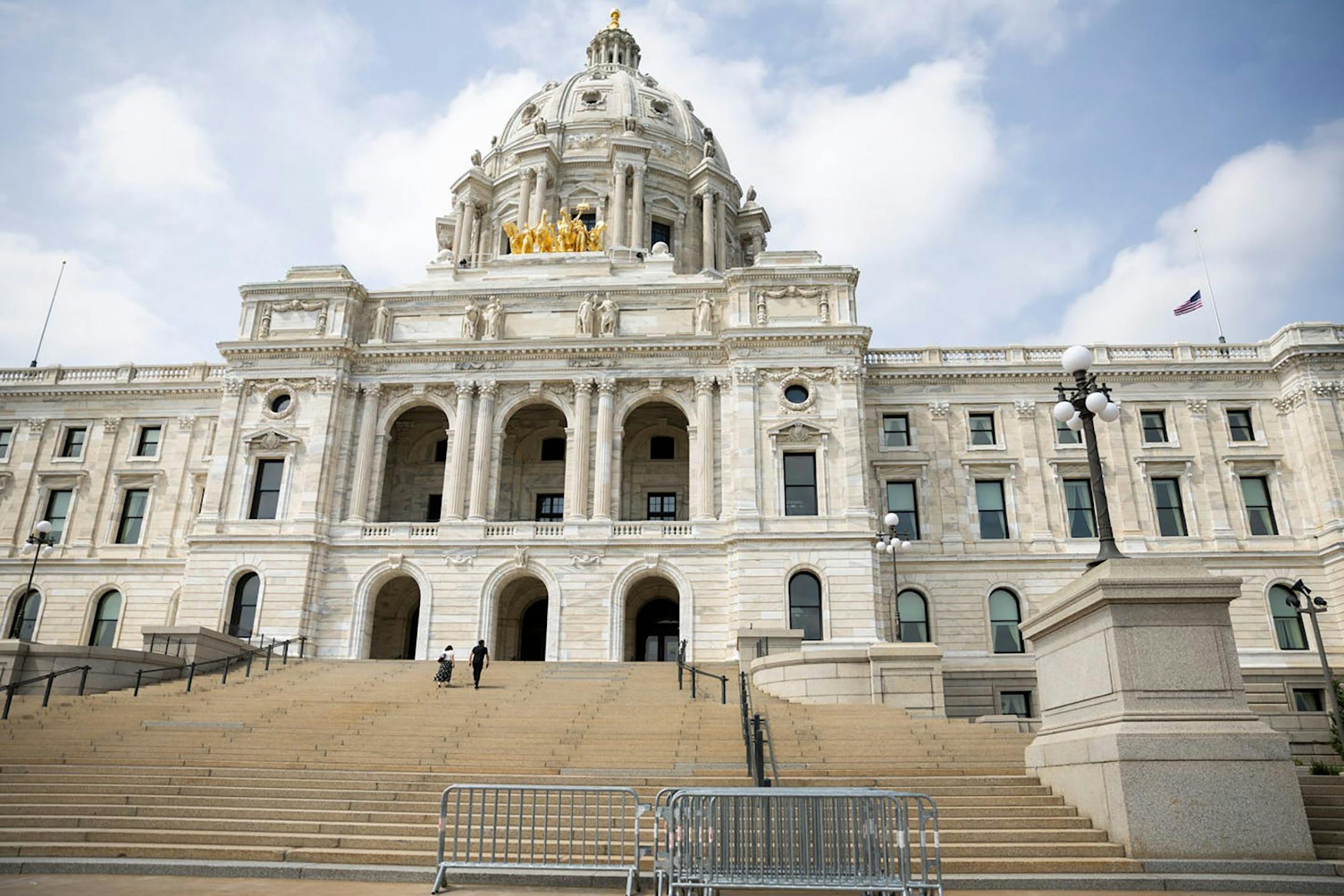
The Minnesota State Capitol. (Rebecca Villagracia/The Minnesota Star Tribune)

In 2024, advocates from the state’s two most populous counties, Hennepin and Ramsey, pushed legislators to pass a law that would keep together African-American families and others who are disproportionately pulled into the child protection system.

Metro-area moms told heart-breaking stories about the deaths and injuries of their Black children in the foster care system when they shouldn’t have been removed from home in the first place. Advocates reported that Black families are more likely to get reported to child protective services and more likely to be treated harshly once there. Black children, they argued, are two to seven times more likely to be removed from their homes than white kids.

Advocates had been asking for help for years. This time, lawmakers passed the Minnesota African American Family Preservation and Child Welfare Disproportionality Act, which requires social service agencies to go beyond what they do now to keep Black families intact, as well as other families that are overrepresented in the system, such as those who have a disability or are poor.

For instance, child welfare workers would try diligently to place the child with a family member instead of with a stranger. In some circumstances, instead of simply recommending that a parent receive therapy, the county social worker would make the appointment with a culturally appropriate therapist and then drive them to the appointment.

In the House and Senate, a lawmaker asked a question: How will this legislation land in the rest of the state?

“I do have some concerns about that, how implementation goes statewide, outside the metro,” said Rep. Carlie Kotyza-Witthuhn, DFL-Eden Prairie.

Her question went unanswered during that hearing. It’s too bad, because across the state, counties are saying the legislation will cost them millions of dollars that they don’t have and require them to offer services that don’t exist in many rural places.

For instance, Black families might feel more comfortable seeing a Black therapist, but there might not be a Black therapist in their county. If that family doesn’t have transportation, and if they don’t have a safe place to do online therapy, a county worker would have to drive them to the nearest location, which could be two hours or more each way.

And honestly, that would probably benefit everyone. The county worker would get to spend extra time with the family and the family might blossom by seeing a therapist in a safe place who they might be more comfortable with.

To make that work, though, requires money.

Ramsey and Hennepin counties each received $2.5 million to begin phasing in the law this year. Greater Minnesota counties, which must start implementing the law in 2027, have so far not been allocated any funds, although their smaller tax base will incur significant costs.

Brown County, population 26,000, home to New Ulm, would have to come up with about $1.3 million to meet the requirements of the law, including about five extra workers, said Anne Broskoff, Brown County director of Human Services. I haven’t parsed Broskoff’s estimate, but it’s in line with what other counties say they will need. Brown County’s total budget is about $47.8 million, and commissioners are already hiking property taxes amid falling state and federal revenue.

“If the parents want to pursue culturally similar services, I just don’t know if I’m going to be able to establish those types of services here in Brown County,” Broskoff said. “We don’t have a lot of diversity here. We certainly have some, but not to the extent that the city has in which to support a thriving mental health practice.”

How often it would come up is hard to say. Deb Sjostrom, director of Human Services for Otter Tail County, said about 90% of the families in their caseload would qualify for the extra efforts to keep families intact, a figure that other counties say holds true for them as well.

Sjostrom, Broskoff, and other administrators I spoke with in greater Minnesota said they like the idea behind the new law. But without the funding for extra staff or other expenses, the counties might not be able to do the extra work.

“The child protection system is already overwhelmed and pervasively understaffed,” the Minnesota County Attorneys Association wrote in a March 18, 2024, letter to the bill’s chief author in the Minnesota House.

Putting the law into practice will require “a substantial financial investment” in county resources and community services, the county attorneys said.

How the legislation would land in greater Minnesota isn’t the only question broached during that hearing that didn’t receive an adequate response.

Rep. Heather Keeler, a DFLer who represents part of Moorhead and serves as vice chair of the Children and Families Finance and Policy Committee, said the legislation might be unconstitutional. A similar law aimed at keeping Native American families together passes constitutional muster because the tribes have sovereignty, something that other groups don’t have, Keeler said.

“It’s not that I don’t support this effort because I absolutely do,” she said. “I really need to caution us that the constitutionality [concern] is real.”

She was shouted down, and the committee voted to advance the legislation.

Now, however, a Hennepin County District judge has halted the rollout of the program in the metro and indicated that the entire law might be unconstitutional because it singles out people based on race.

If metro lawmakers had listened to people from greater Minnesota, maybe together they could have crafted a solution that worked for the whole state. As it is, the whole program is in peril of closure.

about the writer

about the writer

Karen Tolkkinen

Columnist

Karen Tolkkinen is a columnist for the Minnesota Star Tribune, focused on the issues and people of greater Minnesota.

See Moreicon

More from News & Politics

See More
card image
card image