

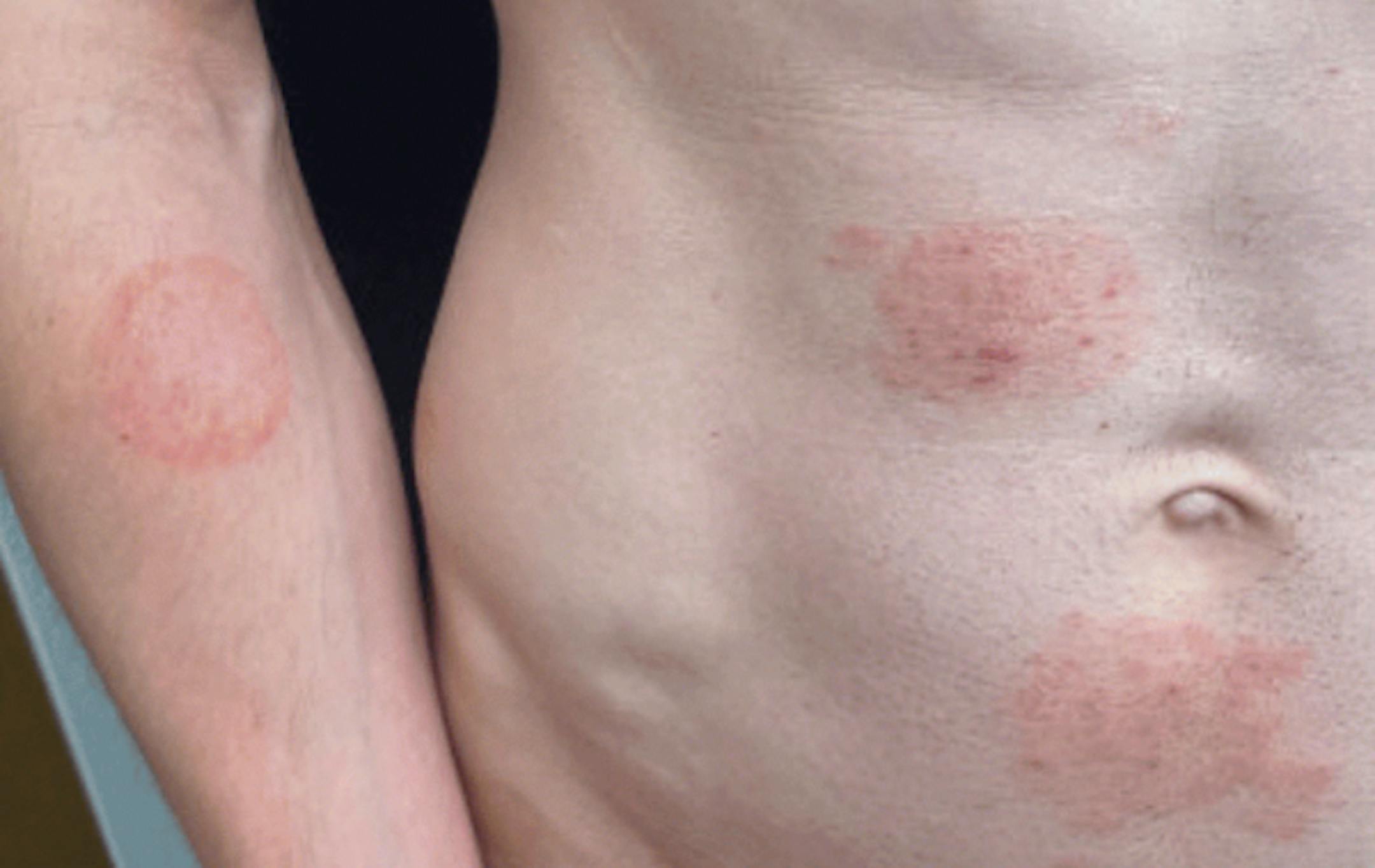
The Minnesota Department of Health (MDH) said this week the state is experiencing the country’s “largest known outbreak” of an emerging sexually transmitted fungus that can cause ringworm.
The genital ringworm, trichophyton mentagrophytes genotype VII, or TMVII, was first found in the United States in New York City in June 2024. A little over a year later, Minnesota’s first case was confirmed; since then, more than 30 confirmed or suspected cases have been reported in the Twin Cities area, according to state officials. Meanwhile, the rest of the United States has seen a few scattered cases in large cities.
TMVII is the only known fungal-based sexually transmitted disease, and it’s most prevalent among men who have sex with men. The fungus was discovered in travelers returning from Thailand who had sexual contact with sex workers and has also been found in Europe and China.
Ringworm rashes tend to be round and red, sometimes with pumps and pimples, and can be itchy and painful. Lesions caused by TMVII are primarily present in genital or perianal areas, buttocks or thighs.
MDH recommends anyone with symptoms avoid skin-to-skin contact with others, refrain from sharing clothing and personal items and immediately seek medical care. Treatment with oral antifungals can last up to three months.


