
ICE surge leaves Minneapolis with staggering economic, societal impacts, city says

A preliminary city study found 1 in 5 Minneapolis residents are now in urgent need of food assistance.

The Minnesota Star Tribune
February 14, 2026 at 12:43AM
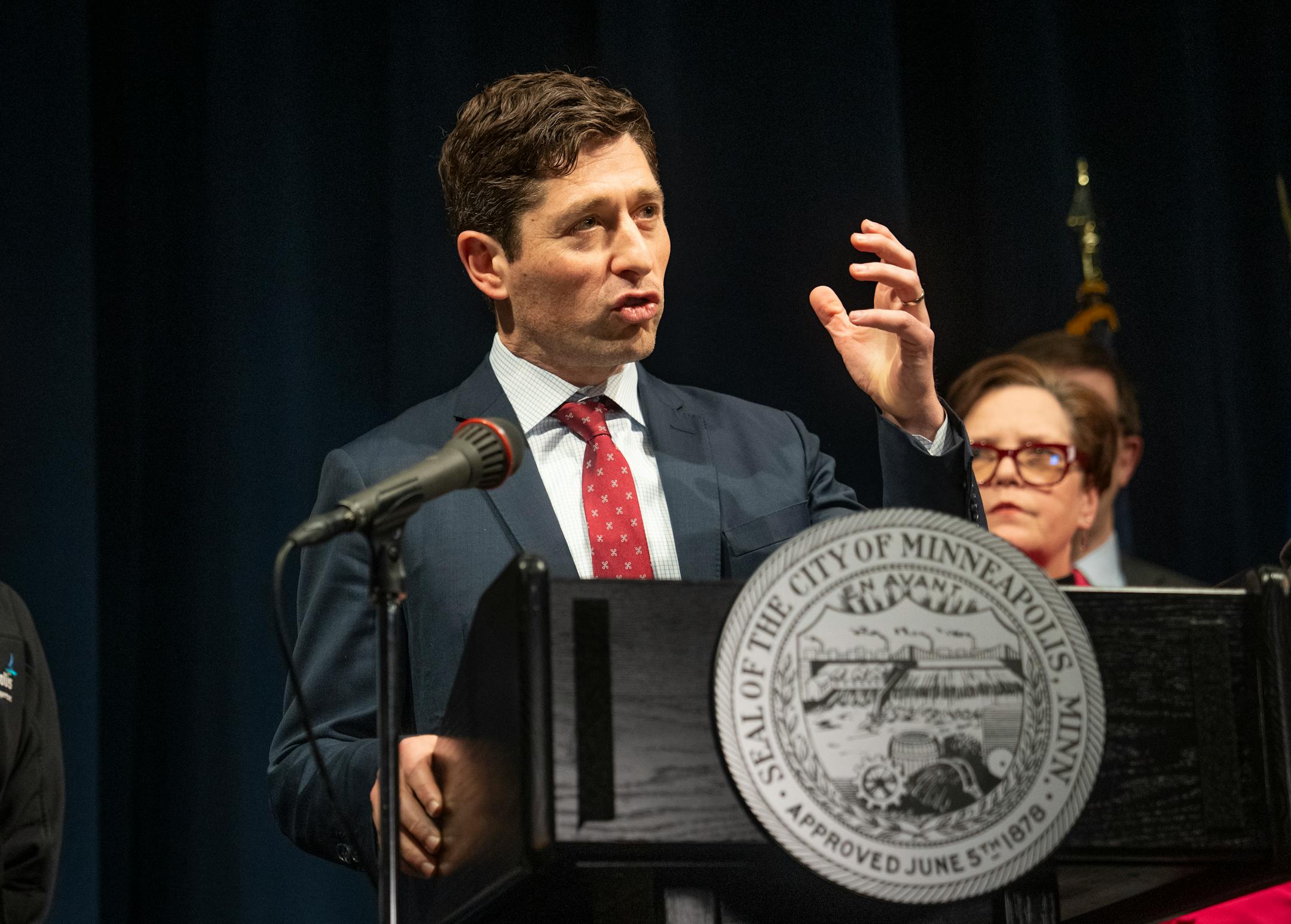
Minneapolis Mayor Jacob Frey talks about the money the city has lost from Operation Metro Surge during a press conference at City Hall Friday, February 13, 2026. (Renée Jones Schneider/The Minnesota Star Tribune)

Minneapolis officials say the federal immigration crackdown over the past 11 weeks has caused more than $203 million in damage to the city’s economy.

Mayor Jacob Frey called the figure, contained in a preliminary city report released Friday, Feb. 13, “staggering.”

After ticking off the damage estimates for people left hungry, businesses emptied, hotel rooms cancelled, and revenue lost, Frey said, “It begs the question, was it worth it?”

Border czar Tom Homan announced Thursday, Feb. 12, that Operation Metro Surge would soon end, with most agents leaving this week and next.

They leave behind a stunned city where neighbors organized to oppose the operation and help immigrants and people of color who were targeted, detained and deported by ICE and Border Patrol agents.

Frey called on state and federal officials to help the city recover.

“Minneapolis taxpayers should not be left to foot the bill of this situation that has been created by the federal government,” he said.

Frey said the federal government should step up with financial assistance, as well as the state. Minneapolis is an economic engine for Minnesota, he noted, sending $3 to state coffers for every $1 it receives.

“I’m not too naive to think that we’re going to go to the state and federal legislatures and get the entire amount,” he said.

Minneapolis Director of Emergency Management Rachel Sayre, who led the “rapid early analysis” of damage to Minneapolis, estimated 20% of the city’s residents urgently need food assistance.

City budget hit hard

The federal immigration operation meant long hours for city employees as they answered 911 calls from residents and ICE agents; put police on standby and sent them to tense scenes, standoffs and shootings; and led to lots of cleanups after protests and incidents.

The Minneapolis Police Department extended shifts, canceled days off and called in officers for emergencies. When MPD canceled days off during five days in January, it cost the city about $3 million — more than the $2.3 million in budgeted overtime for all of 2026.

City Operations Officer Margaret Anderson Kelliher said all those expenses are hitting the city budget hard. It cost the city about $6 million in January alone, she said.

The city won’t know how much revenue will be affected for a few months, but Anderson Kelliher said the city is facing a “significant financial challenge.”

“The city’s very financial stability has been called into question because of the actions of the federal government,” she said. “Our partners, the people of Minneapolis, should not have to foot the bill for this crisis that was created by the federal government.”

Minneapolis Deputy Chief Financial Officer Jayne Discenza warned that the city could not keep up that pace for long before it would hit the minimum general fund balance and have to start dipping into its contingency fund.

The council voted to Feb. 5 to spend $1 million to help about 250 families pay rent and voted to spend another $500,000 for immigration legal services.

Next week, the council is set to consider spending $5 million to help small businesses because many immigrant-owned businesses have closed or scaled back hours as as people stayed away and sales plummeted.

Frey expressed caution over that proposal: “What I will reiterate is that there isn’t just free money.”

The economic impact can be counted in dollars, but some leaders noted some costs that can’t be counted.

“They roamed our streets in masks and abducted our neighbors, racially profiled residents, brutalized observers, violated our safe spaces in schools and places of worship and they terrified and stole children from their families,” Minneapolis Council Member Aisha Chughtai said in a statement.

‘Galvanizing events’ planned

Frey said when people ask what they can do to help, he tells them to come to Minneapolis to buy food, stay at hotels, and support immigrant-owned businesses. He said he met with about 15 downtown business leaders earlier in the day, and they’re “going to be a big part of this effort and this recovery.”

He said he envisions a series of events sponsored by different organizations.

“We’re looking at having some form of galvanizing event where we’re bringing people together from 1,000 different backgrounds to celebrate our great city, to bring people into Minneapolis from across the country,” Frey said.

about the writer

about the writer

Deena Winter

Reporter

Deena Winter is Minneapolis City Hall reporter for the Star Tribune.

See Moreicon

More from Minneapolis

See More
card image
Renée Jones Schneider/The Minnesota Star Tribune

A preliminary city study found 1 in 5 Minneapolis residents are now in urgent need of food assistance.

card image
card image