Kaitlin Groeneweg walks to the grocery store instead of driving so she’ll buy less, knowing she must carry her shopping bags. Whenever it’s an option, she chooses to purchase single pieces of produce instead of bundles. She joined a CSA, but quit when she struggled to keep up with the amount of fruits and vegetables she was getting in her boxes, even with only a half-share.
To the measures the Minneapolis resident has taken to reduce her contributions to food waste, she can now add welcoming so-called “ugly” produce into her kitchen.
Groeneweg recently joined Imperfect Produce, a weekly subscription service that delivers boxes of scuffed, misshapen or surplus fruits and vegetables to customers’ homes. The national company just expanded to the Twin Cities this past spring.
The service is one part of a burgeoning movement to create a path for less desirable produce into people’s diets, and away from compost piles.
Almost half the fruits, vegetables, roots and tubers grown globally go uneaten, according to the United Nations Food and Agriculture Organization. Some of the losses occur in the fields. But once harvested, produce undergoes a strict sorting process based on what most consumers are willing to spend their money on.
“It comes from the abundance we have in this country and have had for the last 50 years or so,” said Ben Simon, Imperfect Produce’s co-founder and CEO. “When you have so much, you stop valuing food the same way as a precious resource that should never go to waste.”
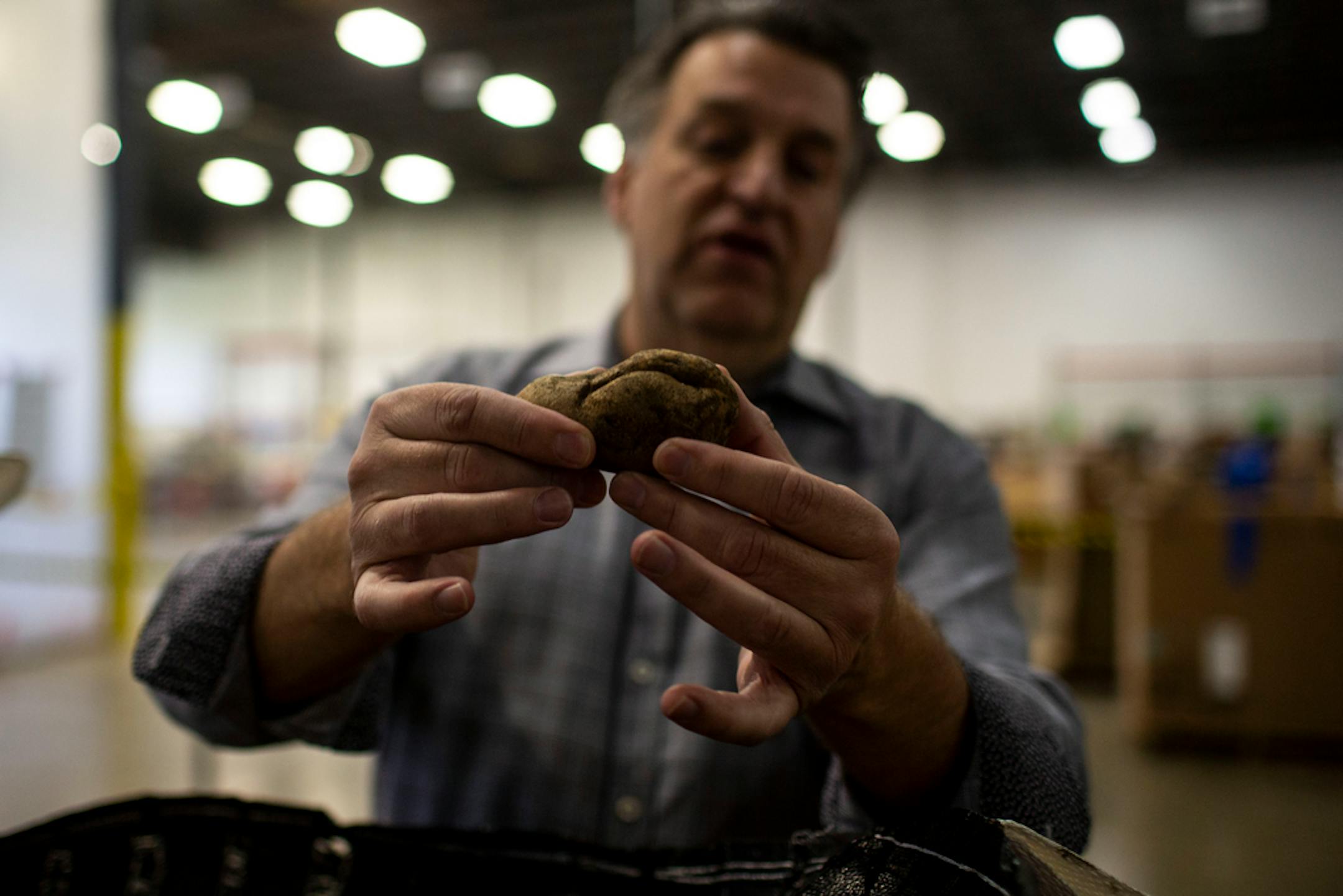
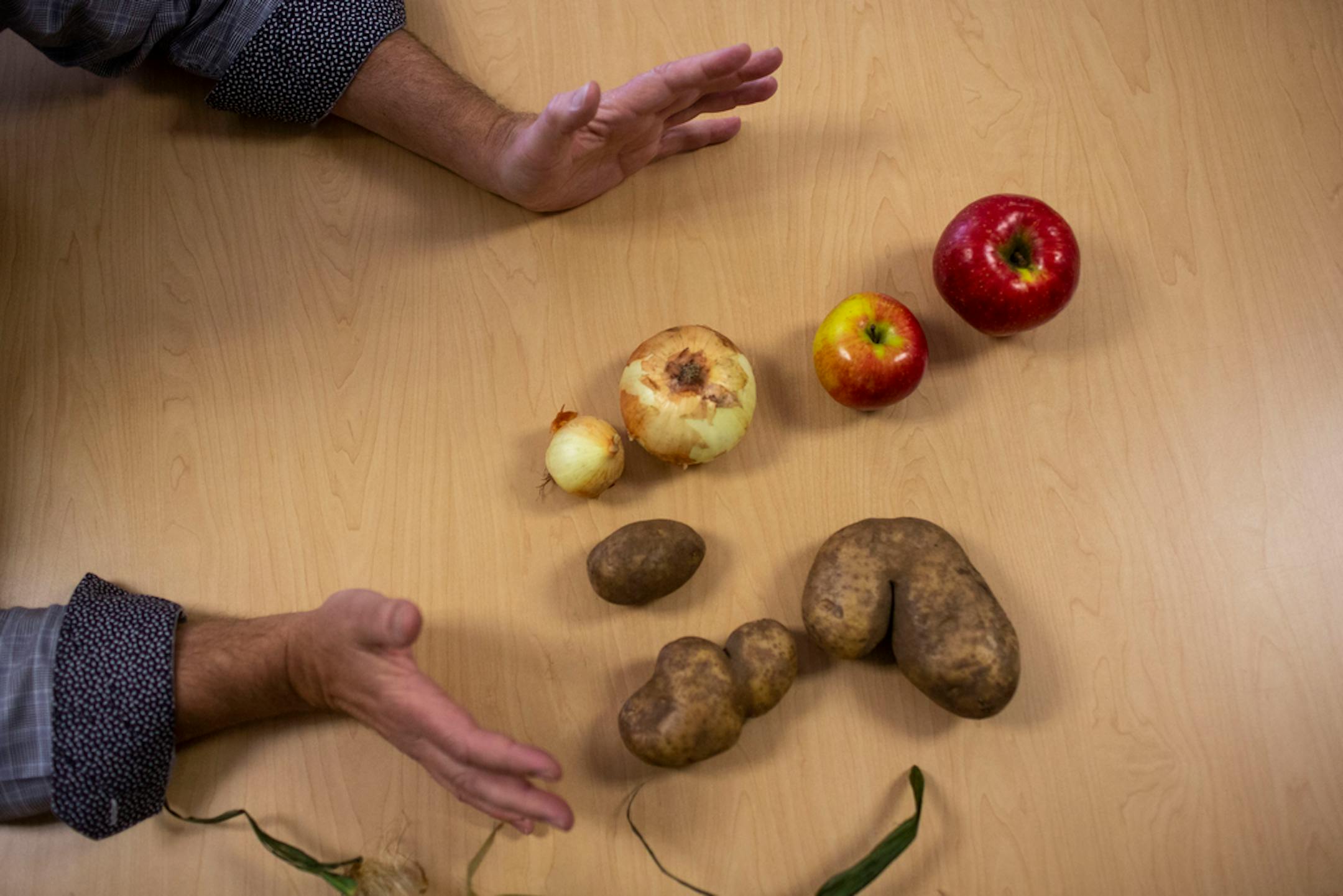
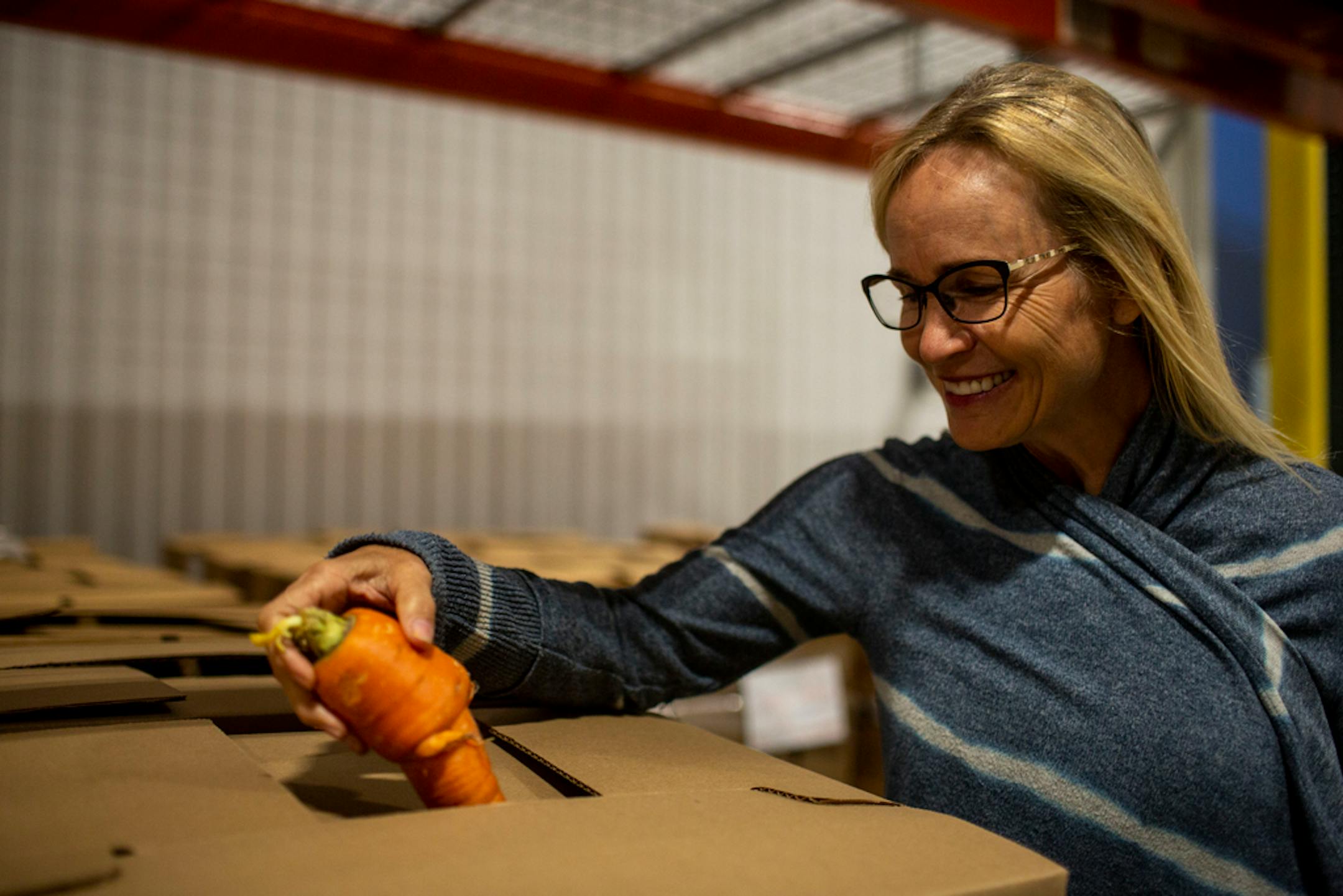
Of the produce that makes it to a supermarket, the displays at store entrances favor a perfectly round and red apple with movie-star good looks over an oddball heart-shaped potato or a carrot that resembles arthritic knuckles.
“Many consumers these days don’t have a tie back to a farming community,” said Jennifer van de Ligt, director of the Integrated Food Systems Leadership Program at the University of Minnesota. “They’ve only ever seen perfect fruit, and the opinion is out there that if it’s not perfect it doesn’t taste good, it’s not as healthy and it’s not going to last as long. And none of that is really true.”