A month before our planned family road trip to see my cousin and her kids, we received a counterproposal. Texting me a photo of a hotel pool edged by palm trees, my cousin posed the one-word question: “Aruba?”
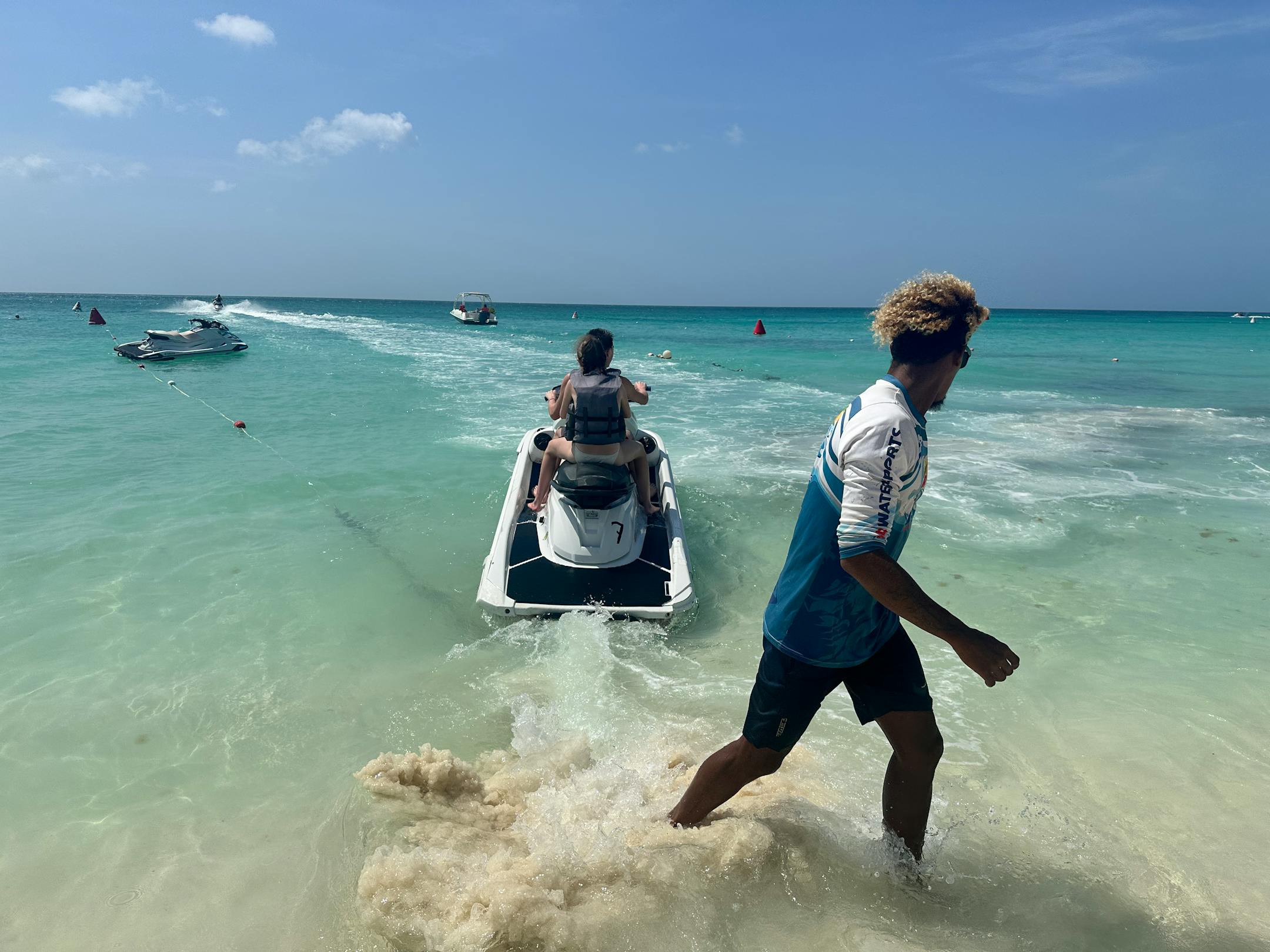
One month later, we both relaxed in front of the very same pool, piña coladas in hand, as the wind made the palm shadows dance in the sunshine. My husband and the boys had wandered off on foot down the coast in search of jet skiing. The girls scouted the beach across the street.
My initial hesitancy about Aruba had morphed into excitement when I easily found inexpensive, nonstop six-hour flights to the Caribbean island from Minneapolis-St. Paul. So the plan changed, with one request from my two teens.
“Let’s make this a vacation,” they pleaded.
It turns out we typically take “trips,” defined due to my meticulous research and activity planning. The shift to “vacation,” it seemed, required little more than an idyllic island setting and my own restraint.
Poolside in Aruba, I secured the next night’s dinner reservations, then put my phone down and focused on the moment. Clearing my mind, I noted my only concern was that a strong gust might overturn my tropical drink. Eventually, it did. So I got another.
Warm feelings
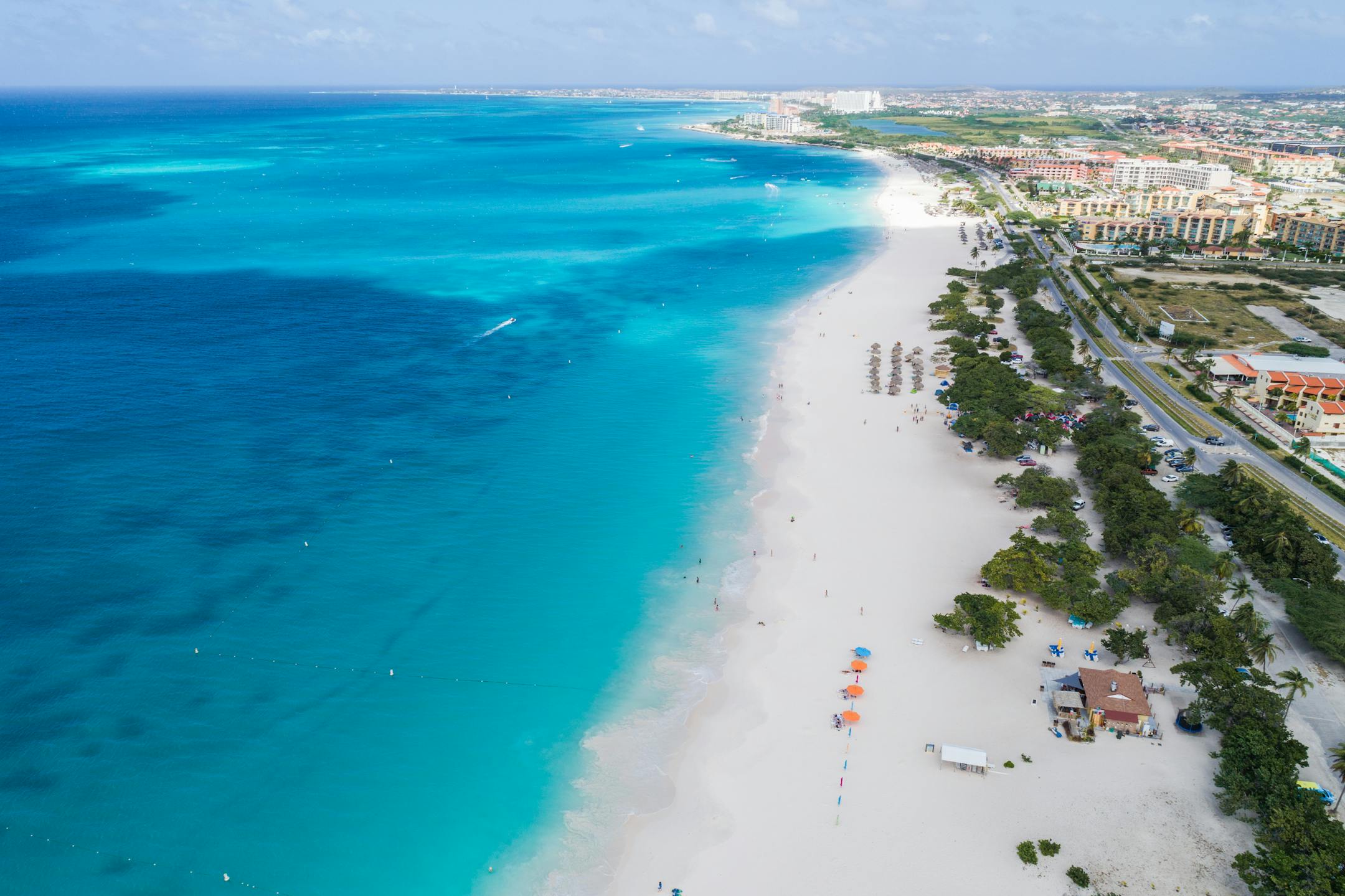
I had existing warm feelings toward Aruba, due to my months spent studying abroad in Netherlands years ago. Semi-autonomous Aruba is the A in the Caribbean’s ABC islands that share Dutch history and citizenship (Bonaire and Curaçao round out the trio).
They’re positioned just off the coast of Venezuela, outside of the hurricane belt, where major tropical storms are rare. More reassuring news: Aruba is consistently ranked among the safest countries in the Caribbean, with low crime, strong health care and drinkable tap water. The U.S. State Department rates Aruba at Level 1 for travel — “exercise normal precautions.”