

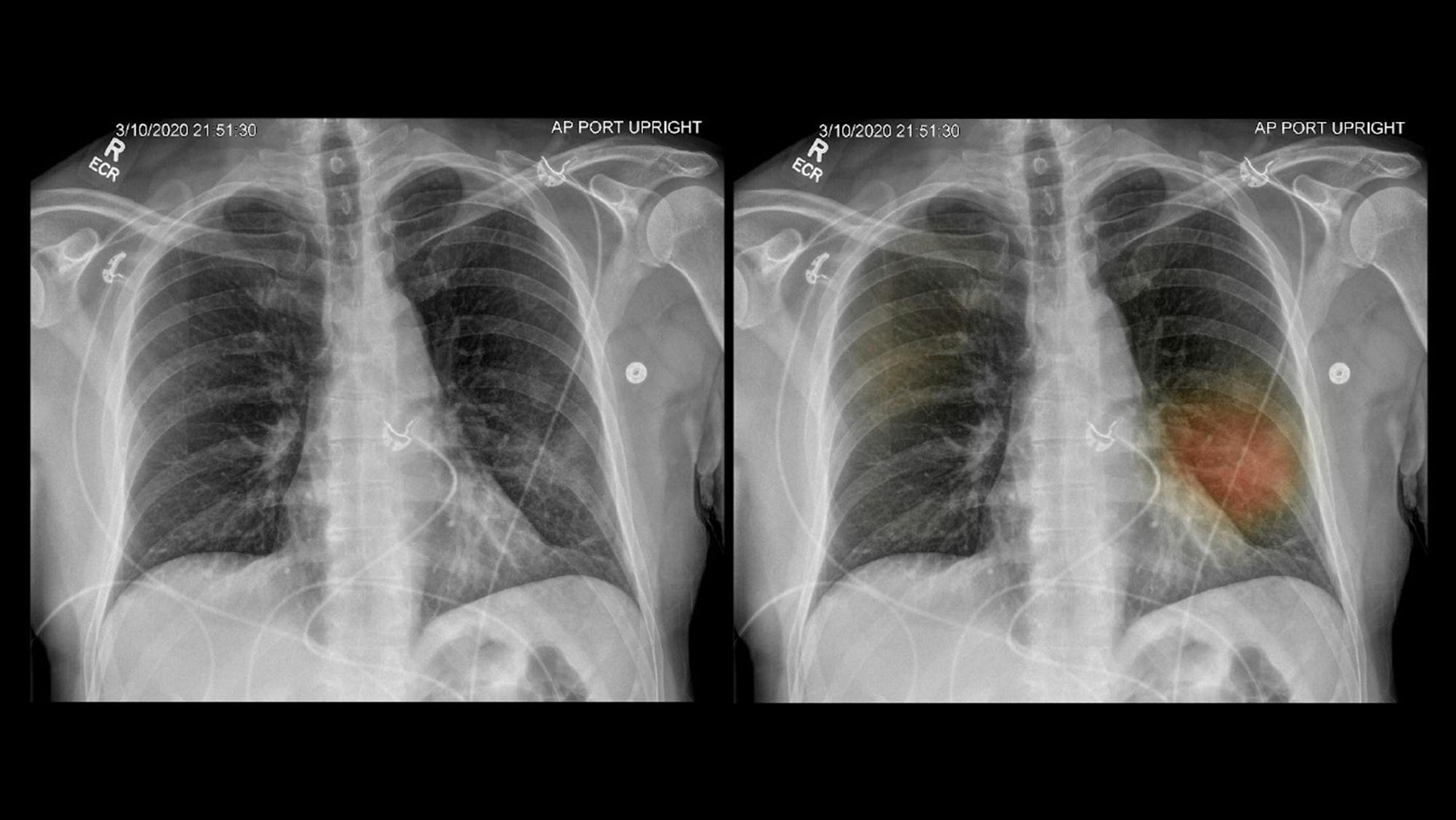
Everyday use of artificial intelligence for health diagnosis could still be years away, but the field is robust right now.
"We still have a lot of unknowns in terms of generalizing and validation of these systems before we can start using them as standard of care," Dr. Matthew Hanna, a pathologist at Memorial Sloan Kettering Cancer Center in New York City, told United Press International earlier this month.
On the one hand, this is not surprising: The history of artificial intelligence (AI) is a history of overcommitment and underdelivery in real-world "production" environments.
But on closer inspection, AI is highly useful in medicine as opposed to other domains and will rapidly increase in usage.
The UPI article highlights people's desire to see a human doctor and not trusting a machine's subtleties as a principal factor in their choosing a person rather than the AI.
Additionally, it points to the additional long-term testing needed before autonomous AI diagnostic systems can be widely installed.
Still, medicine was one of first domains for experimentation and success in AI, going back to the 1980s.
Diagnostic medicine is a relatively closed system that lends itself to successful rule-based or machine learning systems.


