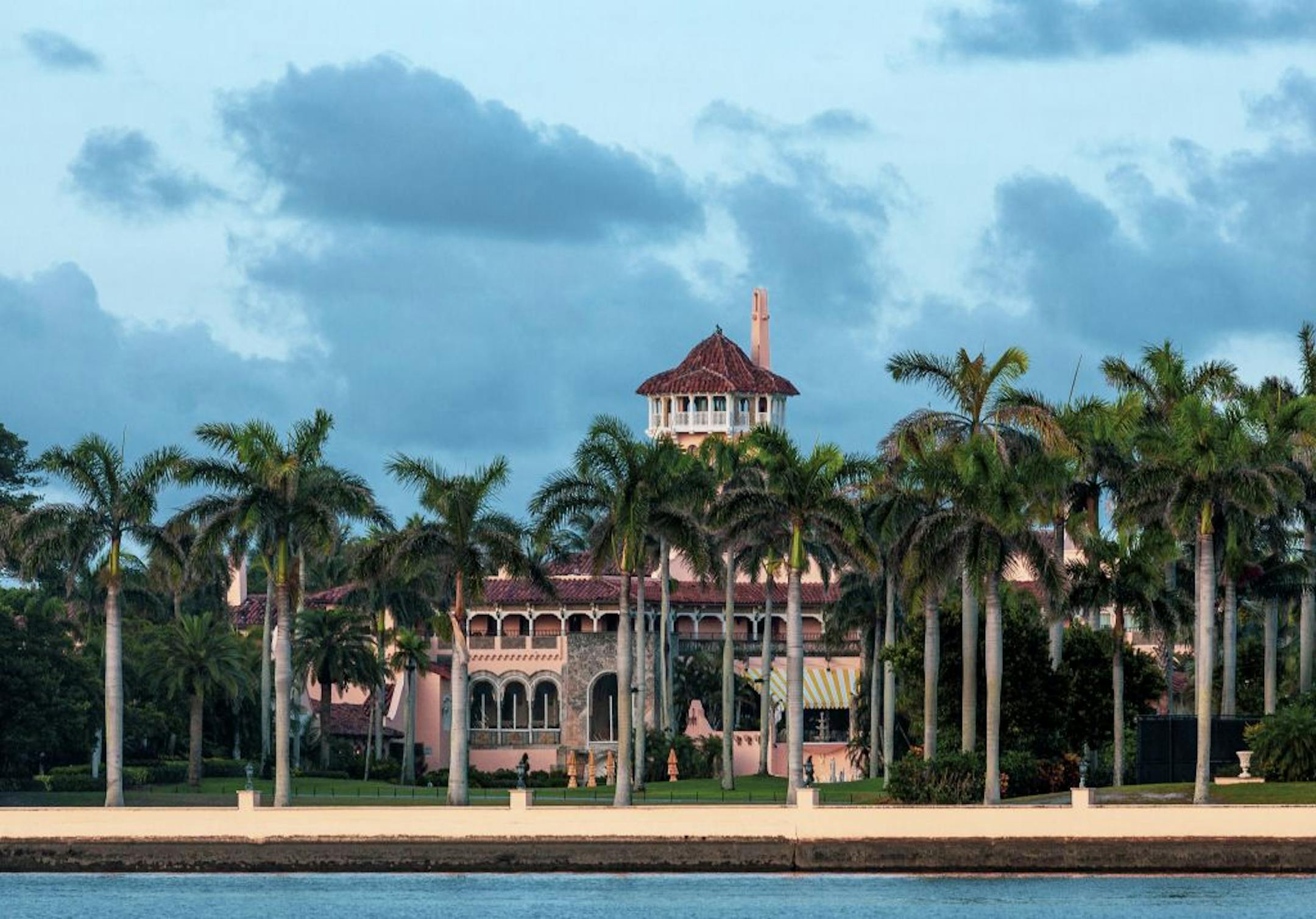
It was springtime at President Donald Trump's Mar-a-Lago club in Palm Beach, Florida, and the favor-seekers were swarming.
In a gold-adorned ballroom filled with Republican donors, an Indian-born industrialist from Illinois pressed Trump to tweet about easing immigration rules for highly skilled workers and their children.
"He gave a million dollars," the president told his guests approvingly, according to a recording of the April 2018 event.
Later that month, in the club's dining room, the president wandered over to one of its newer members, an Australian cardboard magnate who had brought along a reporter to flaunt his access. Trump thanked him for taking out a newspaper ad hailing his role in the construction of an Ohio paper mill and box factory, whose grand opening the president would attend.
And in early March, a Tennessee real estate developer who had donated lavishly to the inauguration and wanted billions in loans from the new administration met the president at the club and asked him for help.
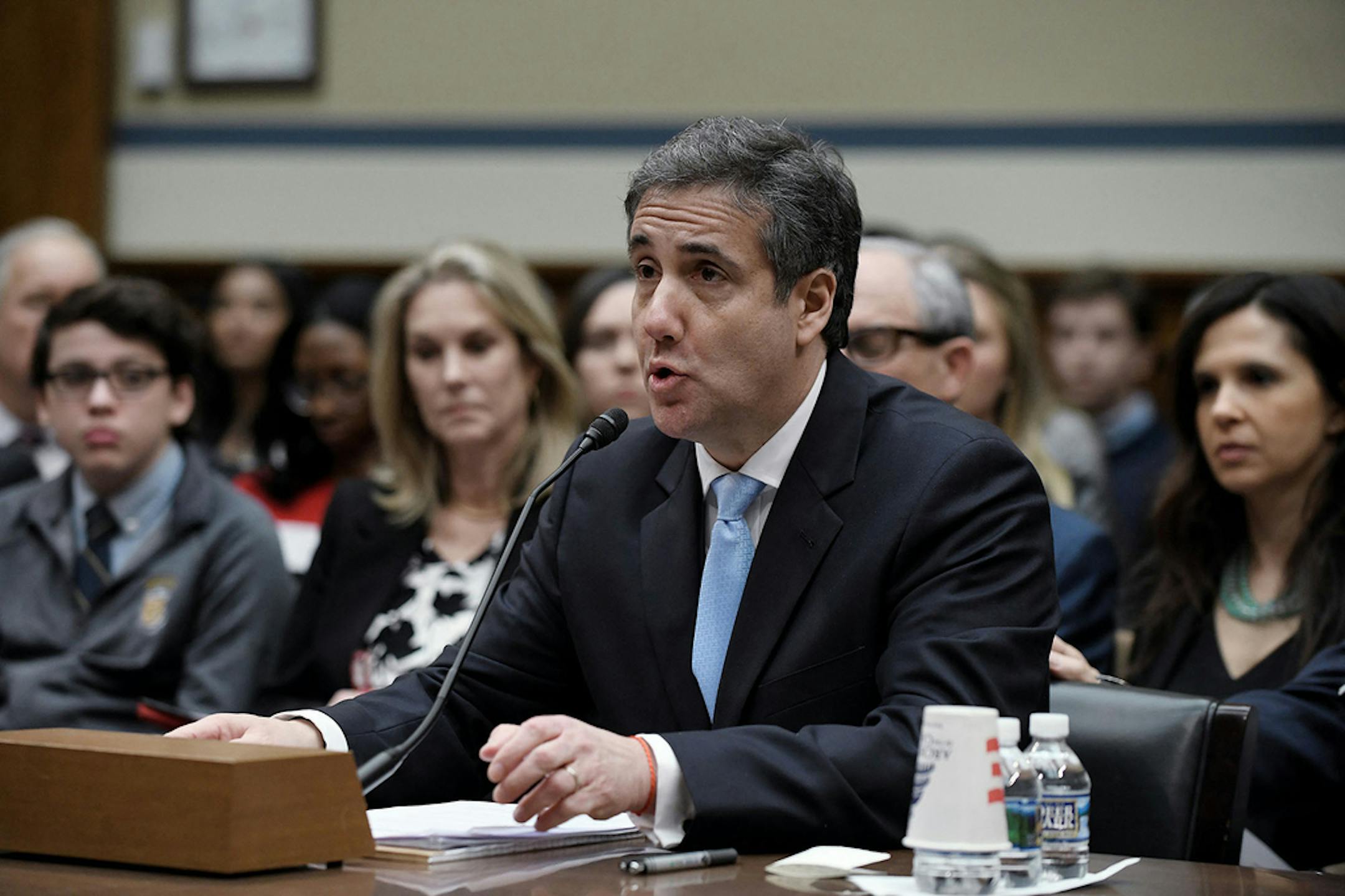
Trump waved over his personal lawyer, Michael Cohen. "Get it done," the president said, describing the developer as "a very important guy," Cohen recalled in an interview.
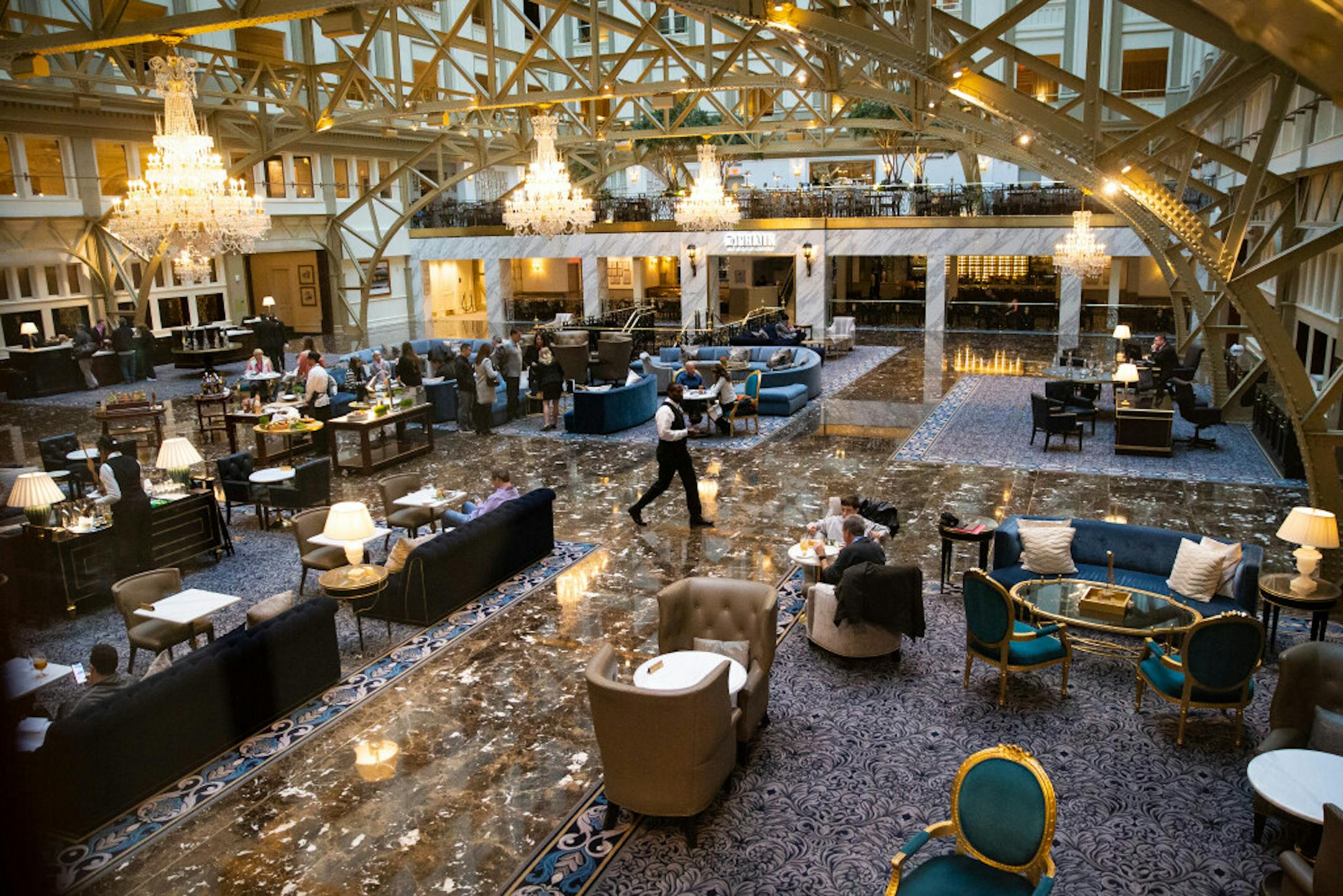
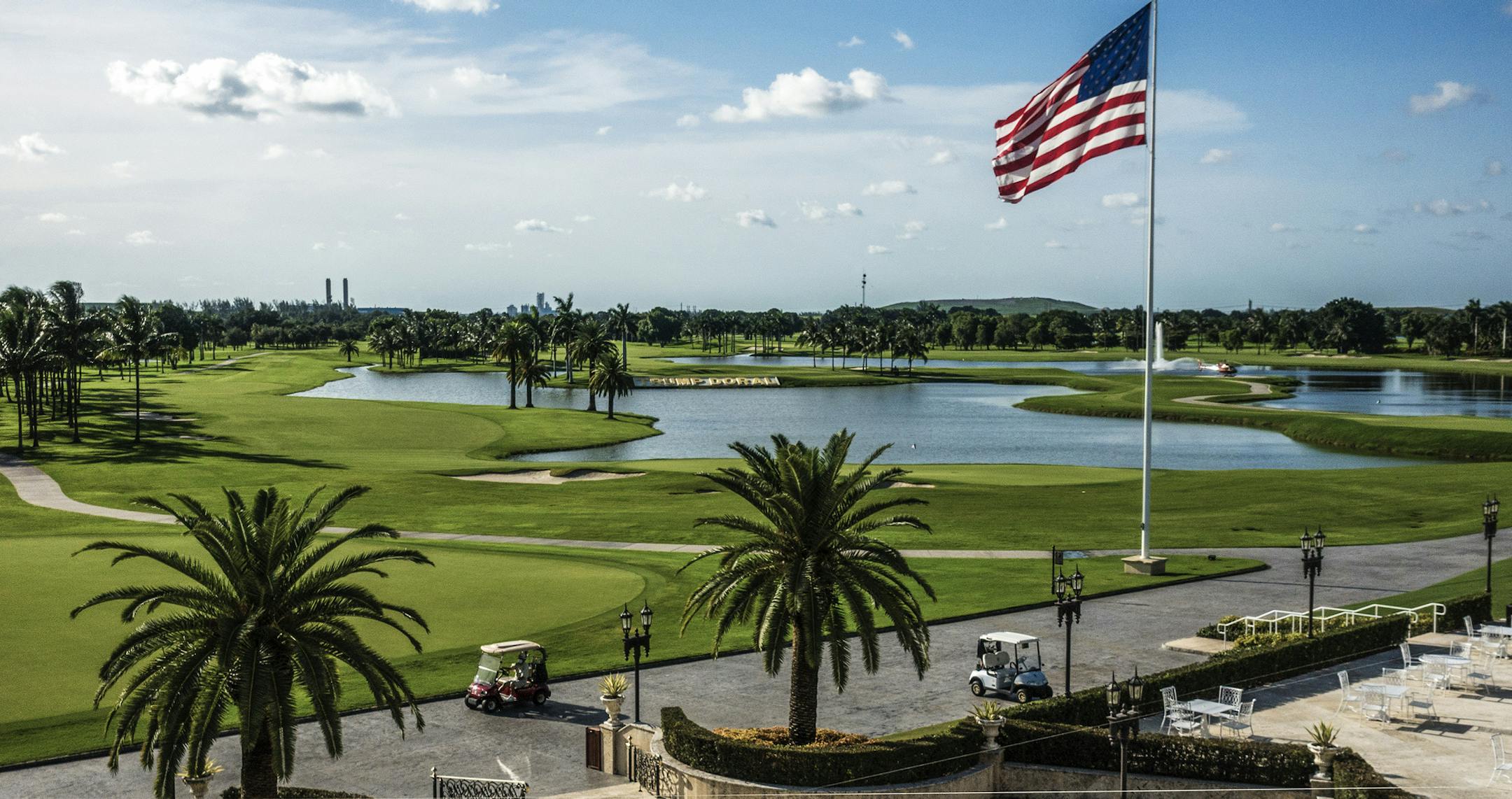
Campaigning for president as a Washington outsider, Trump electrified rallies with his vows to "drain the swamp." But he did not merely fail to end Washington's insider culture of lobbying and favor-seeking. He reinvented it, turning his own hotels and resorts into the Beltway's new backrooms, where public and private business mix and special interests reign.
As president-elect, he had pledged to step back from the Trump Organization and recuse himself from his private company's operation. As president, he built a system of direct presidential influence-peddling unrivaled in modern U.S. politics.