

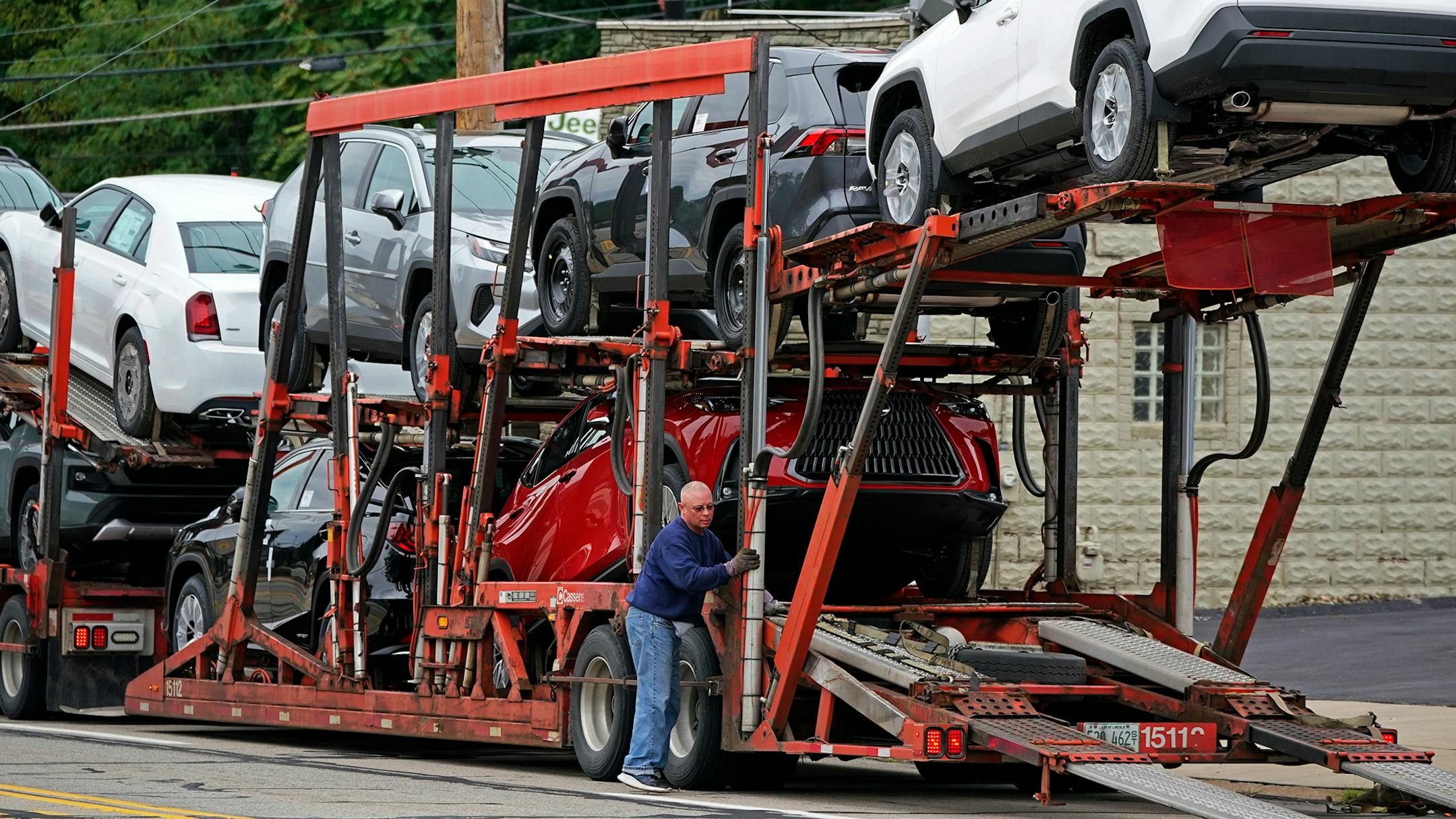
Don't expect car prices to drop significantly any time soon.
Instead, new-vehicle prices — already at record highs — will remain elevated, automotive experts say. At the same time, used-vehicle pricing should moderate as the Federal Reserve continues raising interest rates to curb inflation.
Analysts are closely tracking vehicle demand, with consumer sentiment low amid signs of a worsening economy and a resurgence in gas prices.
"It's going to be a very turbulent next 12 months as these interest-rate hikes filter through the economy," says Charlie Chesbrough, senior economist at Cox Automotive. "Certainly, they're going to have an impact on the new- and used-vehicle markets."
Prices skyrocketed during the pandemic as automakers dealt with ongoing supply-chain disruptions and a shortage of semiconductor chips, which power smartphones, refrigerators, TVs, cars and more.
When new-car production slowed, Americans held onto their vehicles for longer, reducing supply on the used market and, in some cases, driving used prices higher than new.
And natural disasters like Hurricane Ian, which wreaked havoc in the Southeast, can potentially leave hundreds of thousands of cars totaled, further crunching supply and driving up prices.
The average new-vehicle transaction price in August was $48,301, according to Cox-owned Kelley Blue Book — a record price fueled by low inventory, high demand and a shortage of incentives. Automakers are allocating available computer chips to high-margin vehicles, such as luxury offerings and SUVs with hefty price tags.


