My father and mother were frugal — not an unusual trait for people who had weathered the Depression of the 1930s. Their rural neighbors were the same. Frugality and conservation were essential survival traits. One fellow of my era observed, "These people have such a feel for money that they can drive over a dime and tell whether it was heads or tails every time."
But the desire to preserve wealth was only part of it. Also endemic in the rural Minnesota psyche was a strong belief in healthy and appropriate competition. When I asked my father why he never bought cars made by General Motors, he replied, "The cars are all right, but they already make half the cars, and I'm not sure it is good for the country."
So we made do with Hudsons, Nashes, Packards, and an occasional Ford — which worked out fine.
Perhaps the same reflections should be made of the sources of our information today. Are they becoming so concentrated that it may not be good for the country?
From 1999 to 2012, U.S. newspaper advertising revenue has declined 64 percent. We now have about half the number of daily newspapers we had in 1987. True, we have the Internet, which is of prime value. But is the information presented on the Internet rooted in the time-consuming investigative reporting that we need to remain informed citizens?
Then there are books. Nearly half of books sold in the United States are sold online. The number of U.S. bookstores has also declined by 40 percent since 1994.
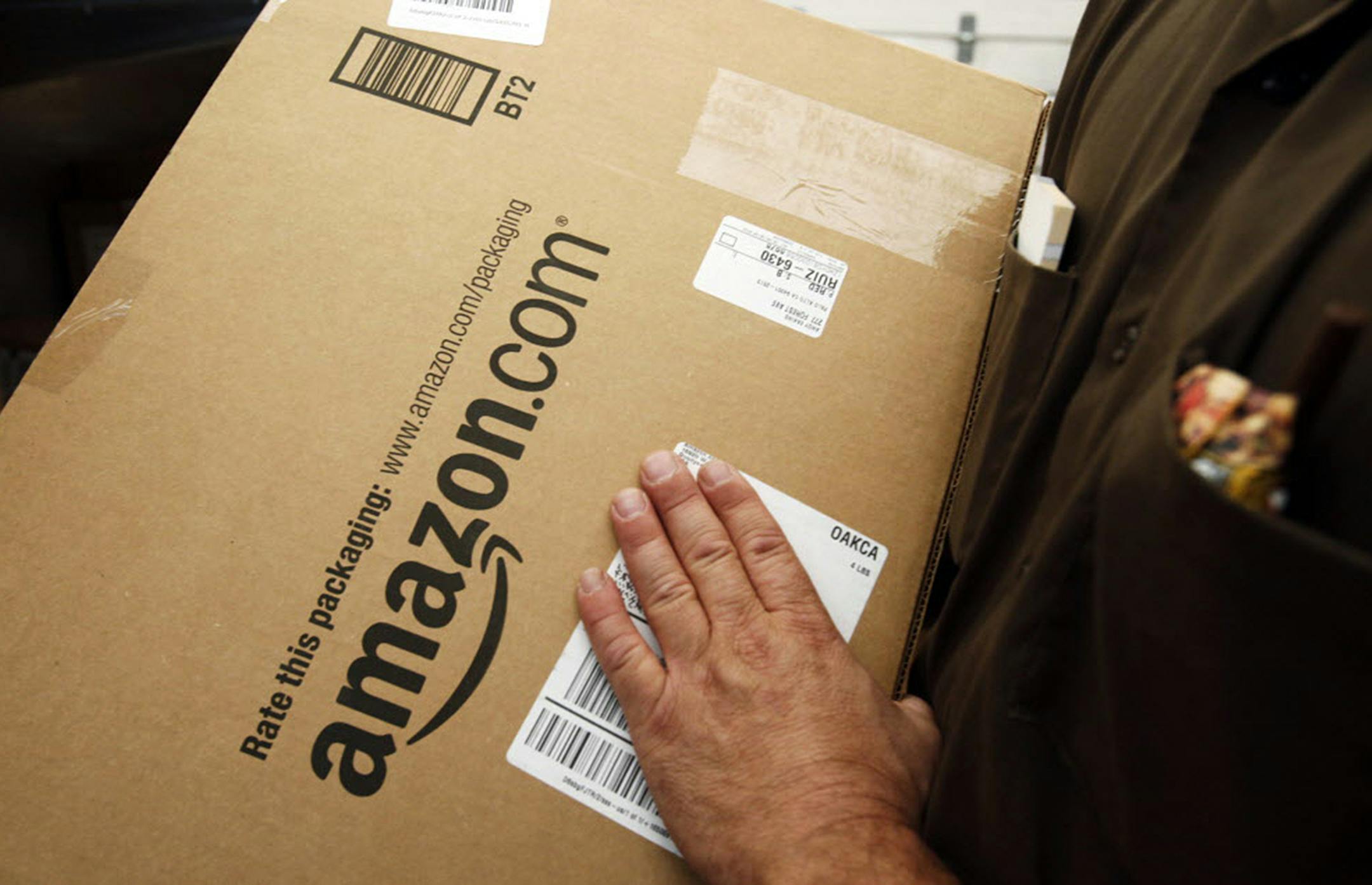
Nowhere is the change of availability in what we read more apparent than with Amazon.com. Online retailers already account for nearly 45 percent of all books sold in the United States with Amazon being by far the largest supplier with, according to CNN MoneyTech, an ever-tightening "grip on the entire book-publishing chain."
Yet Amazon appears to be aiming for market dominance rather than profitability. Amazon lost $18 million during the first half of 2014 and the net profit rate for all of 2013 was less than four-tenths of 1 percent of its revenue. In 2012, the company lost $39 million.