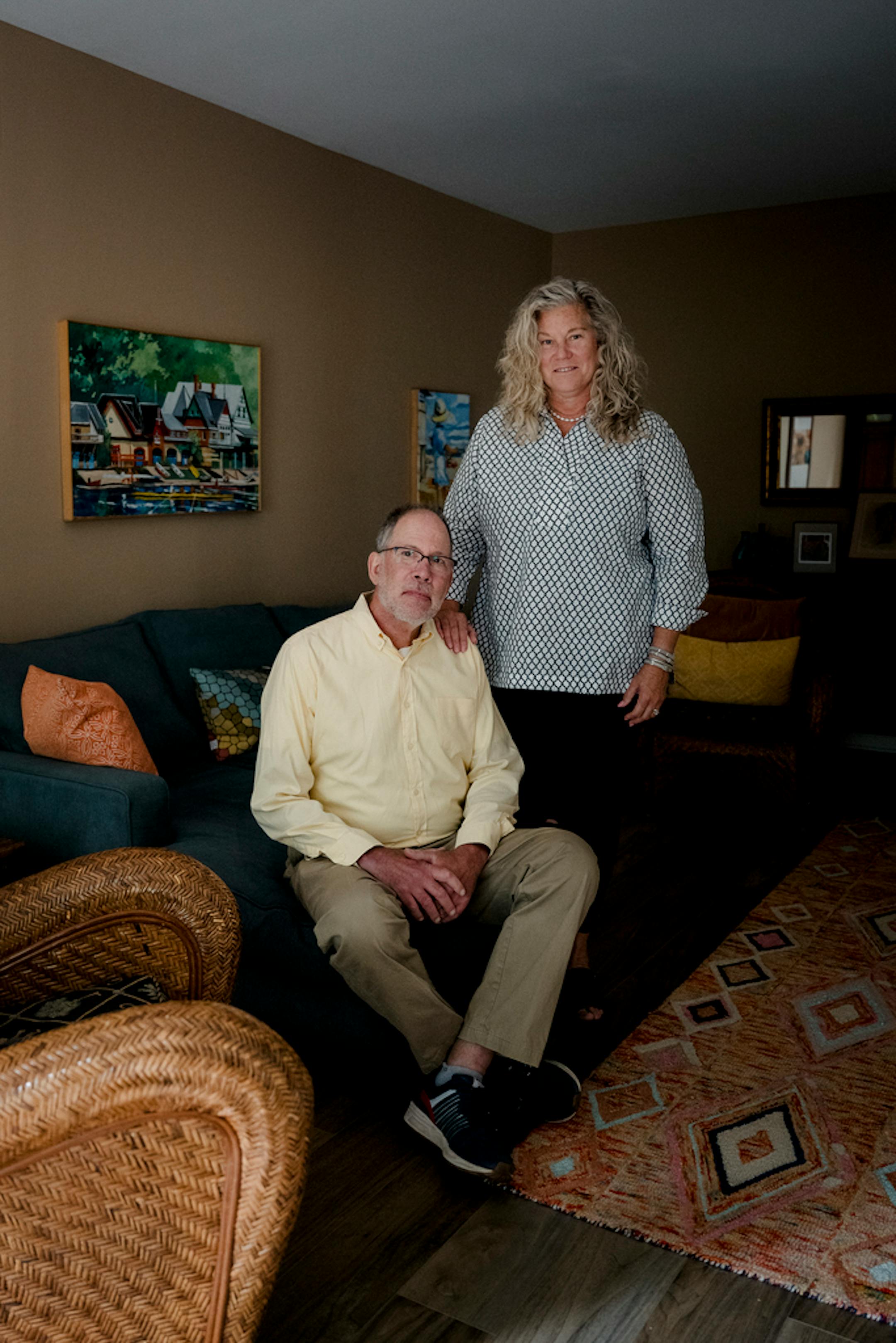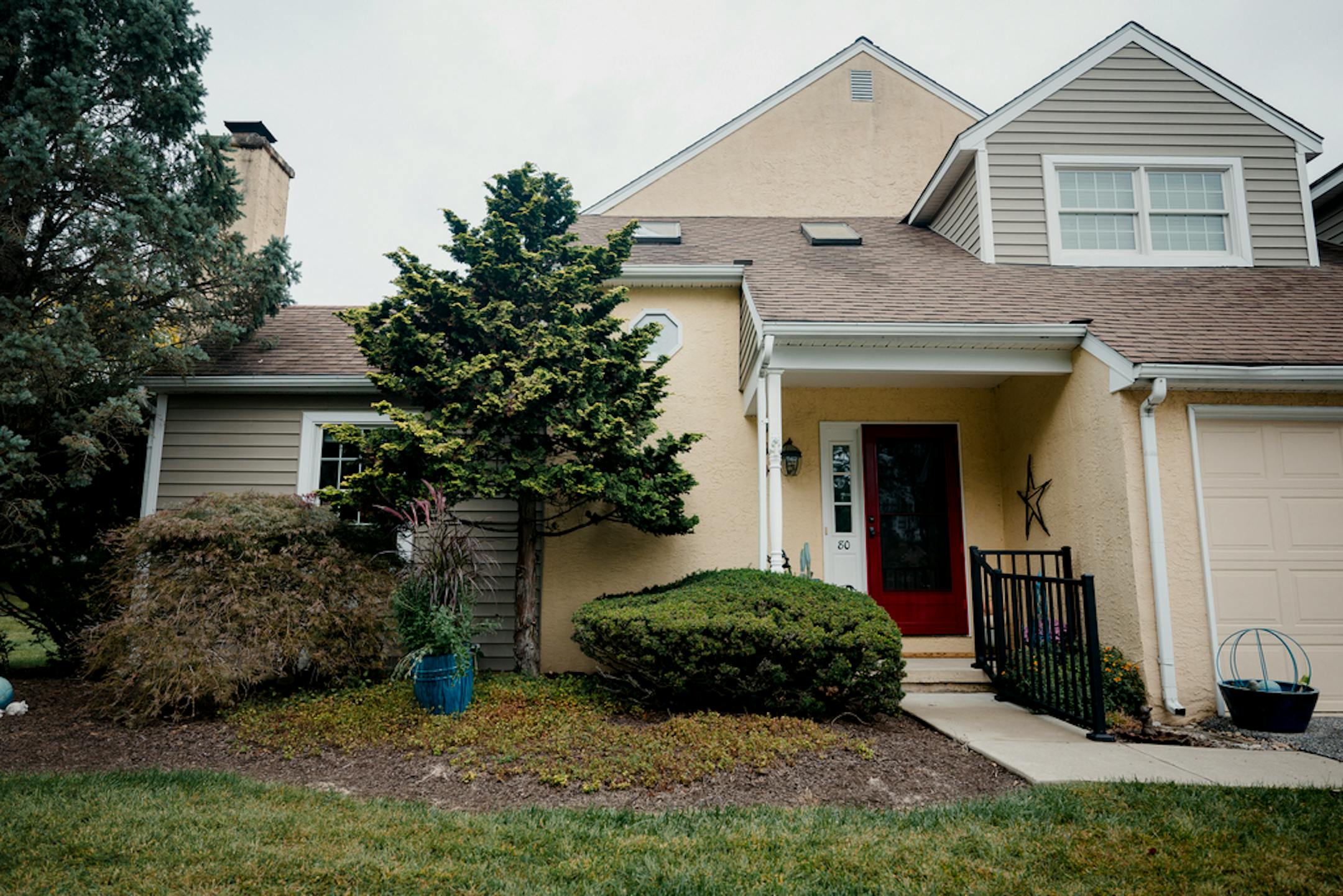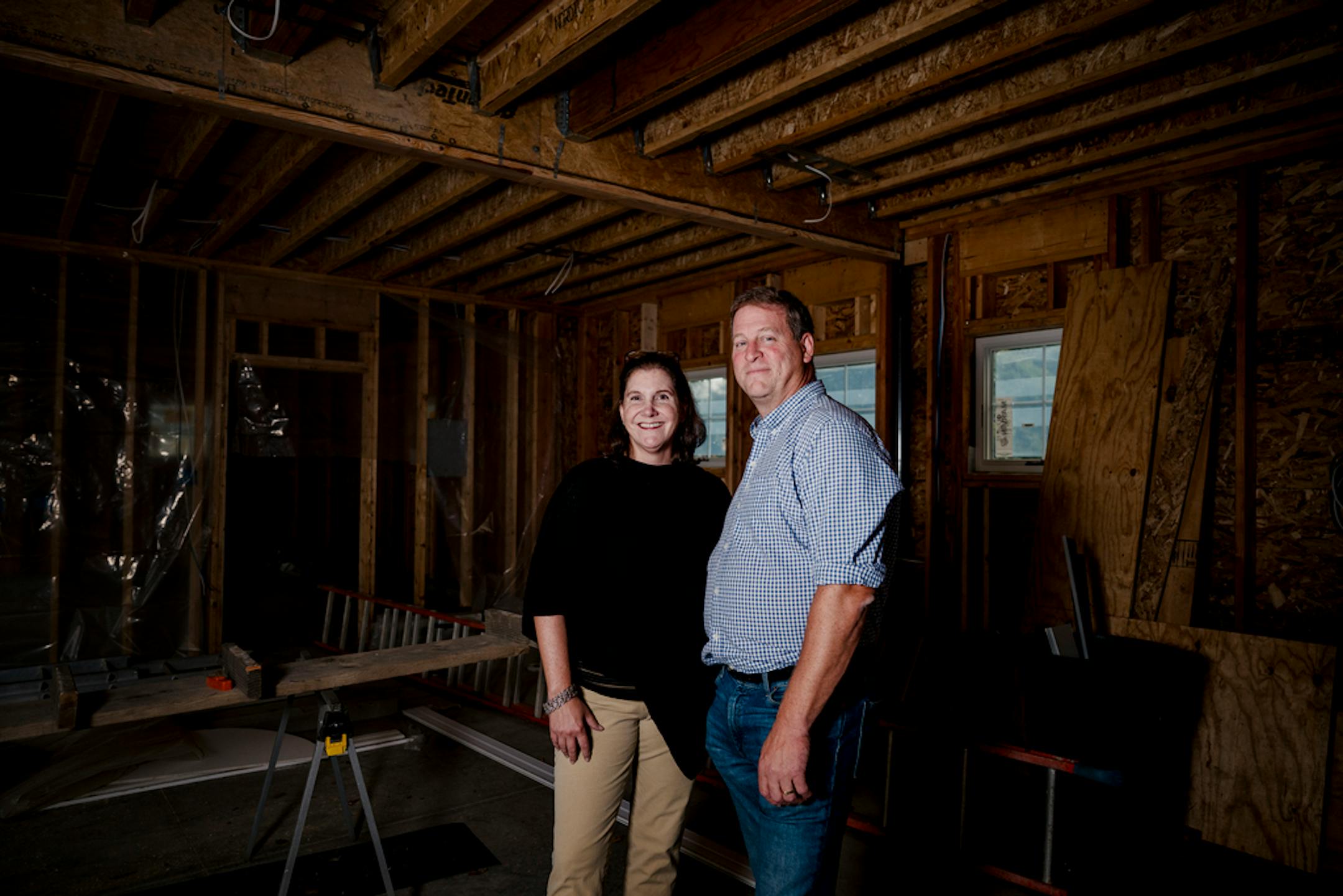
When Bryn Smythe, 64, and Jack Reuben, 67, downsized from their three-story, 100-year-old home in the Philadelphia suburbs to a townhouse nearby in 2023, they were determined to save money.
“In the area that we live in, it was really easy to find something equally expensive as what we just sold,” Smythe said. “That isn’t in the cards for us.”
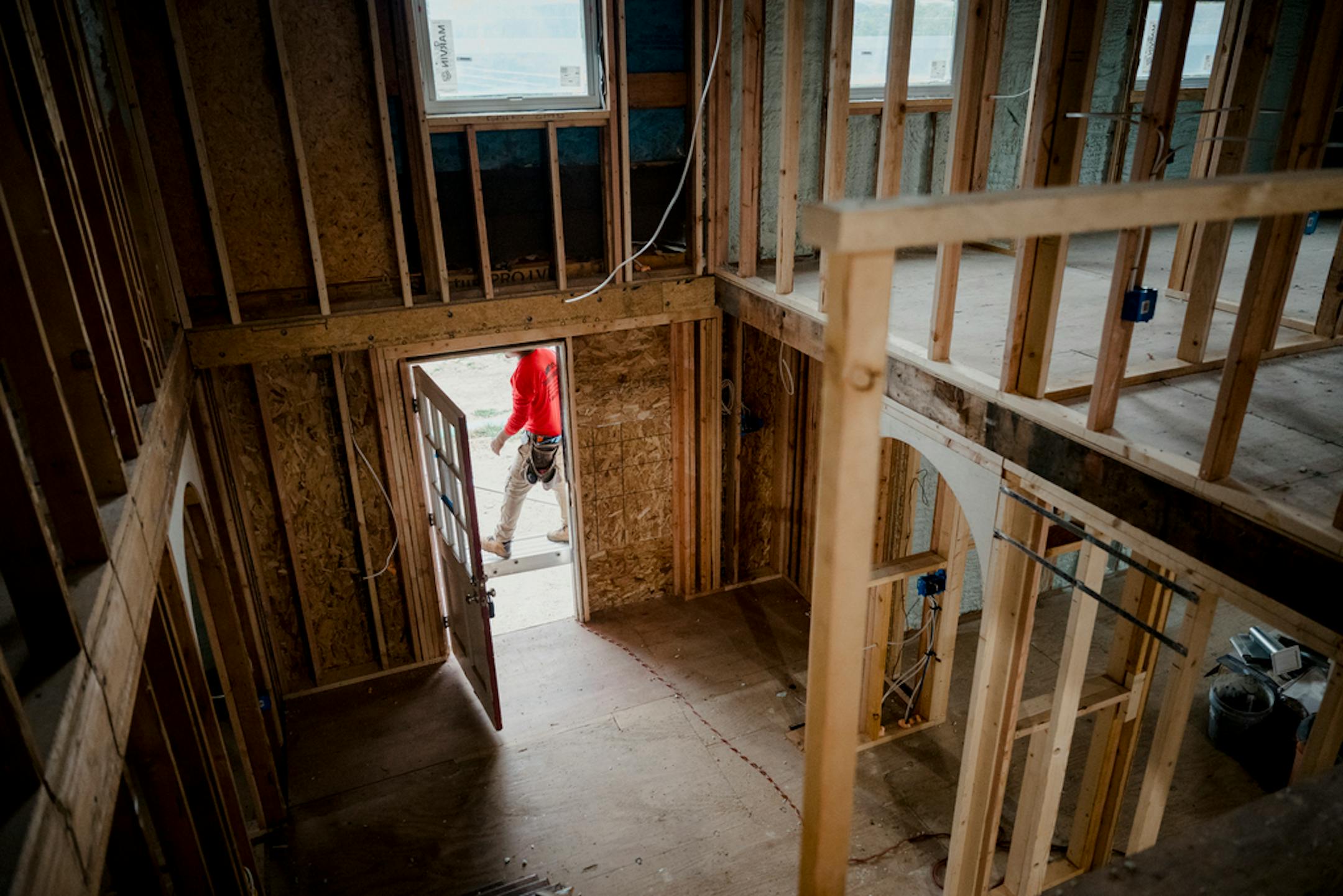
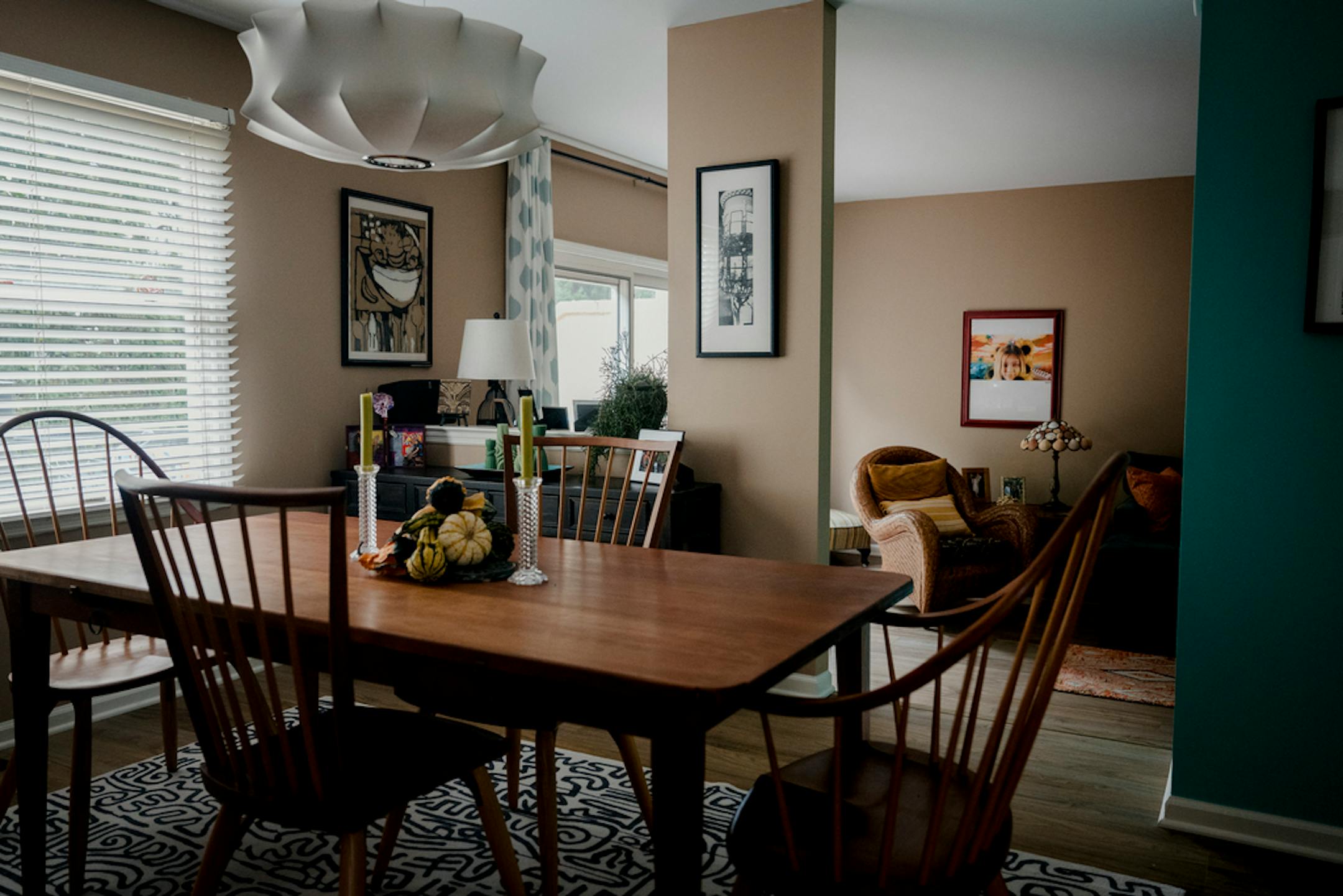
Finding a home within their budget took patience and compromise. The townhouse wasn’t picture perfect when they moved in — it needed new flooring, paint, kitchen renovations and, later, an HVAC system — but it fit their needs, and they were prepared to make it work.
“We are willing to update it,” Smythe said. “Some people our age that are downsizing, they don’t really want to do work, they want it to be pretty much OK when they move in.”
Move-in-ready living is attractive to older homebuyers, many of whom swap high-intensive family homes for low-maintenance townhouses, carriage homes, ranches or senior living units. Financially, these moves can leave seniors with an even trade instead of the high profits they expected. But there are ways to get the most out of your home.
Sue Fitzgerald, a real estate agent with Compass who helped Smythe and Reuben sell their home, said that seniors were “often shocked” to find that downsizing was “still quite an expensive step,” even when their homes had appreciated a great deal. This can be emotionally and economically challenging, she added.
It can also be hard to avoid. In Pennsylvania, the median home age is 60 years old, and 67% of the housing stock was built before 1980, according to 2023 census data. Newer housing has been slow to pop up and, when it does, can attract heavy competition.
To get a hold of modern units, some buyers raise their budgets or drop contingencies, such as inspections. Those who are flexible with timing may also stay in apartments until their ideal home becomes available.