

The summer of 1961 was not a happy time in my life.
Two weeks after my high school graduation, my maternal grandfather died. My mother and I had lived with her parents during the Second World War while my father was overseas, and so this grandfather was the first male role model of my life, and I am said to greatly resemble him. He loved baseball and boxing and fishing and his grandchildren, whom he endlessly spoiled. A station agent for the Chicago and Northwestern Railroad, he was a master of the telegraph and the semaphore and the switches, of the giant mixers and the rumbling chutes and the section gangs of the coaling and watering station, and of the railroad intersection, that were in his charge. He was larger than life, one of the genial giants of my childhood, and his death left a huge empty place in my world.
Six weeks after his death, my parents, my sister and I moved away from the town where I'd done most of my growing up, among grandparents and uncles and aunts and a swarm of cousins, to a town on the other side of the state, far beyond Sunday dinner commuting distance. There I knew no one and, since I would soon be going to college in yet another town, I had little time and few opportunities for making new friends. I missed my high school friends, my uncles and cousins and aunts, my grandfather. I missed in particular the Ford dealer's daughter, the first girlfriend I'd "liked-liked," as kids today put it. I thought she liked-liked me, too; then her letters became newsier and less frequent, and I heard she was keeping company with the doctor's nerdy son, that hovering nuisance.
The last half of the summer of '61 was a time of loss and loneliness, grief and boredom. I was facing a future made even more uncertain than futures usually are by the summer's losses and disruptions.
Yet, strangely enough, my memories of this time aren't unhappy. Without friends or familiar places, I spent most days by myself, reading and listening to music — Dostoyevsky and John O'Hara, Rachmaninoff and Brahms and Gershwin, and Andy Williams singing "Lonely Street." I took long evening walks, exploring my new town. Walking along the airport road one night, I saw the runway lights come on and then a small plane come spluttering down out of the dark sky to a safe landing. Whenever I turned off the mower after mowing the lawn, those comedians, my parents, would applaud from the dining room window, and I would bow.
To ease my boredom, my father got me a one-week job with a feed dealer in a nearby town, helping to build an automated chicken-feeding operation. I learned how to pour cement and make exact measurements, and earned a dollar an hour, the highest wage of my life. I remember the kindness of the dealer's family during the week that I stayed with them; his wife made pancakes, my favorite, on my last morning at their house. The day before I left for college, I went with my family to Pilot Knob State Park, where, from the observation tower, I saw a far green landscape and hundreds of monarch butterflies fluttering toward the southwest.
I remember this sad time in my life knowing that the future actually turned out well: I found a home away from home at college, made several lifelong friends, met the young woman who would become my wife and the mother of my children, discovered my vocation. I even put down roots and found another lifelong friend in my family's new town in the course of two memorable summers working for the city paving crew.
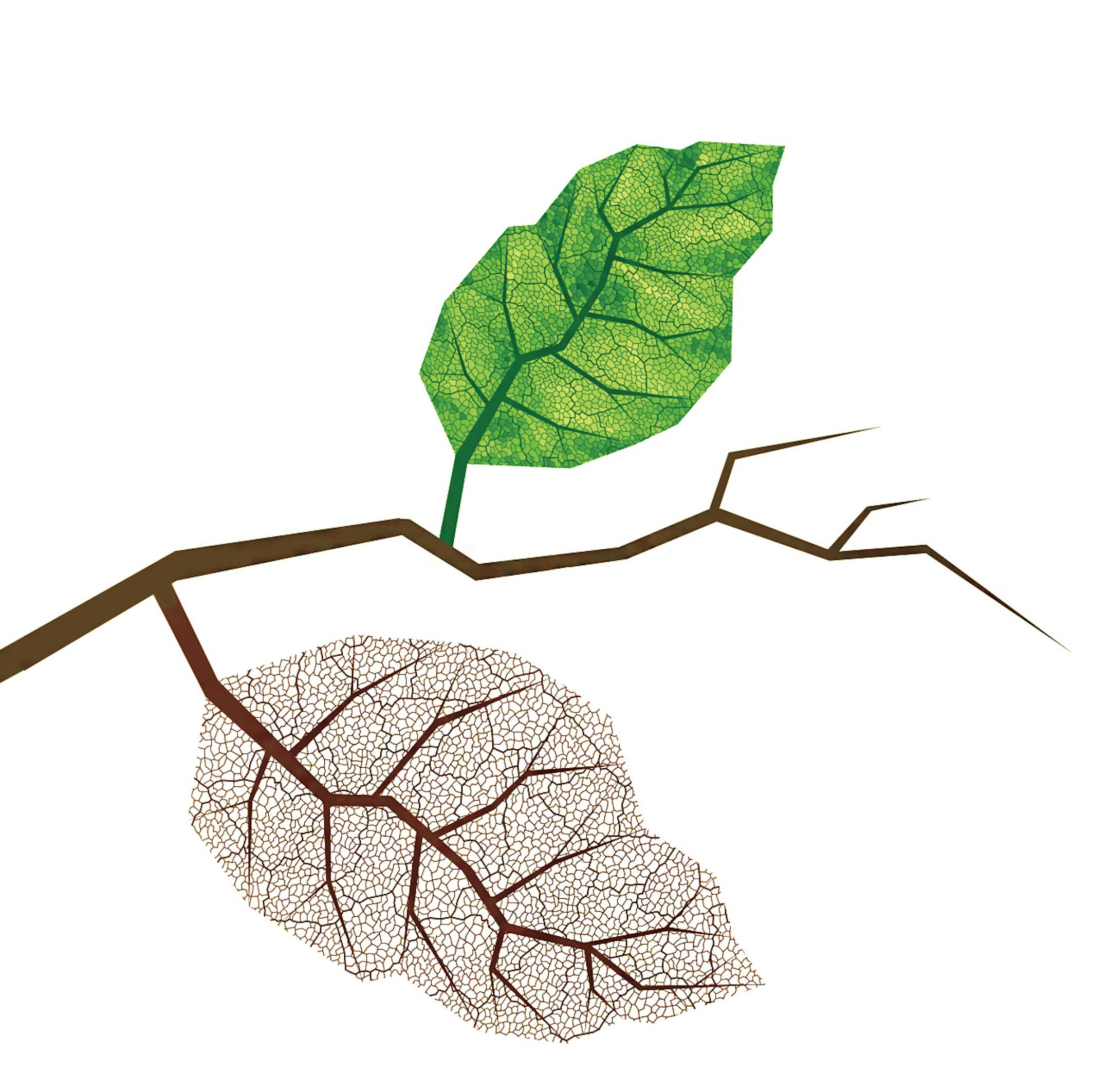
Yet even in the summer of '61, not knowing this future, I was hopeful, moving on, exploring this new life, learning to live with loss, my new experiences all the brighter by contrast with the constant, slowly receding grief and loneliness that I felt. I was learning, without yet being able to express it, that loss is an inevitable part of life, that, sooner or later, we lose whatever we love, a person, a town, a time in our lives.


