At the start of 2017, just before Donald Trump was inaugurated as president, a survey of fund managers by Bank of America Merrill Lynch found that they believed that being positive on the dollar was "the most crowded trade." It turned out they were right to be cautious.
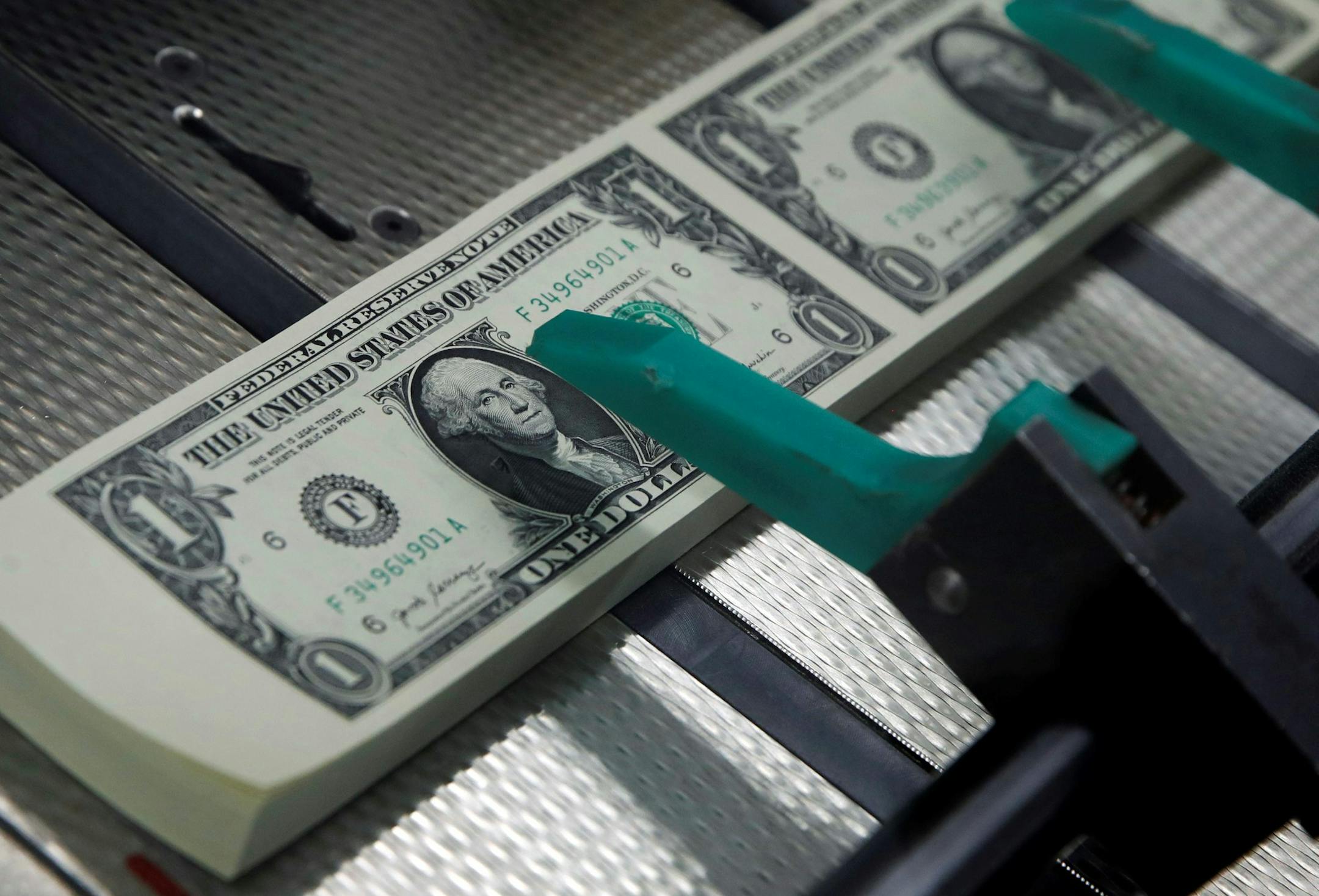
On a trade-weighted basis, the U.S. dollar has fallen by 9 percent against other major currencies in the past year.
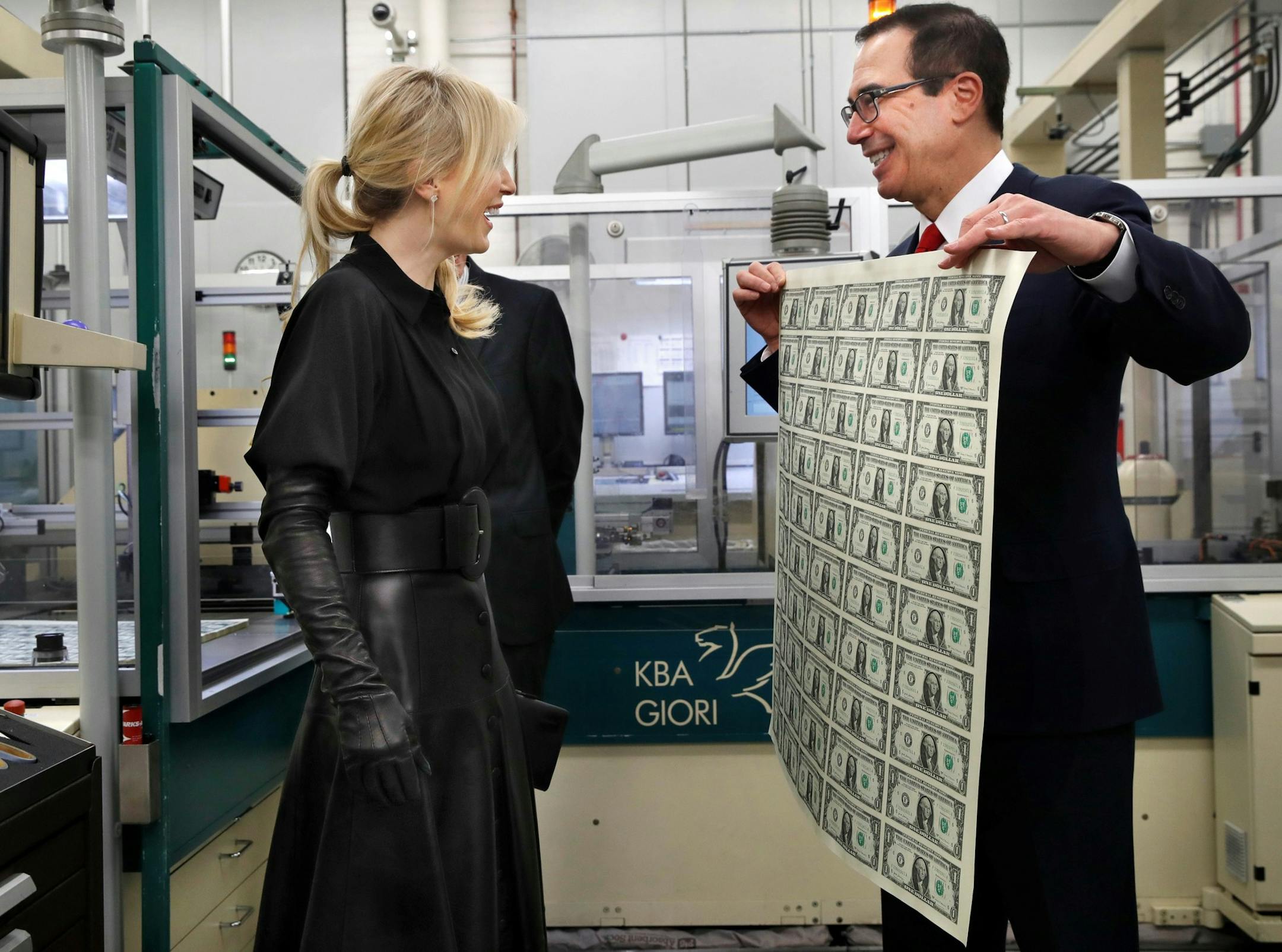
It is not clear what the Trump administration thinks about this. At the World Economic Forum in Davos, Steven Mnuchin, the treasury secretary, said: "Obviously a weak dollar is good for us as it relates to trade and opportunities."
Although the rest of his statement was more nuanced, it is unusual for anyone in his position to depart from a "strong dollar" line. The greenback duly fell in price.
Trump then followed up with a statement in favor of a strong dollar in the long term, which caused a rebound. Since it was only last April that the president talked about the dollar being "too strong," the markets can be forgiven for being confused.
Never mind singing from the same hymn sheet, U.S. authorities are using different tonal systems.
Adding to the puzzle is the administration's focus on eliminating the trade deficit. The recent package of tax cuts, by boosting demand, is likely to suck in imports and widen the deficit. The trade deficit tends to fall during a recession, but that is not a desirable outcome. So it may need a big decline in the value of the dollar to bring about a cut in the deficit, while keeping the economy buoyant.
What does it mean?
If the dollar is poised to experience one of its long periods of weakness, as in the late 1980s or the early 2000s, what would that mean for the financial markets?