

Opinion editor's note: Star Tribune Opinion publishes a mix of national and local commentaries online and in print each day. To contribute, click here.
•••
Drought and extreme heat, both exacerbated by climate change, have paved the way for prime fire conditions across the Western United States. As wildfire season ramps up and smoke reemerges as a serious health threat, experts are encouraging people to get smoke ready. This includes stocking up on air purifiers and filters and, for those with lung disease at highest risk, refilling medical devices like inhalers.
But what if the very devices used to treat the health effects of climate change are themselves contributing to the crisis?
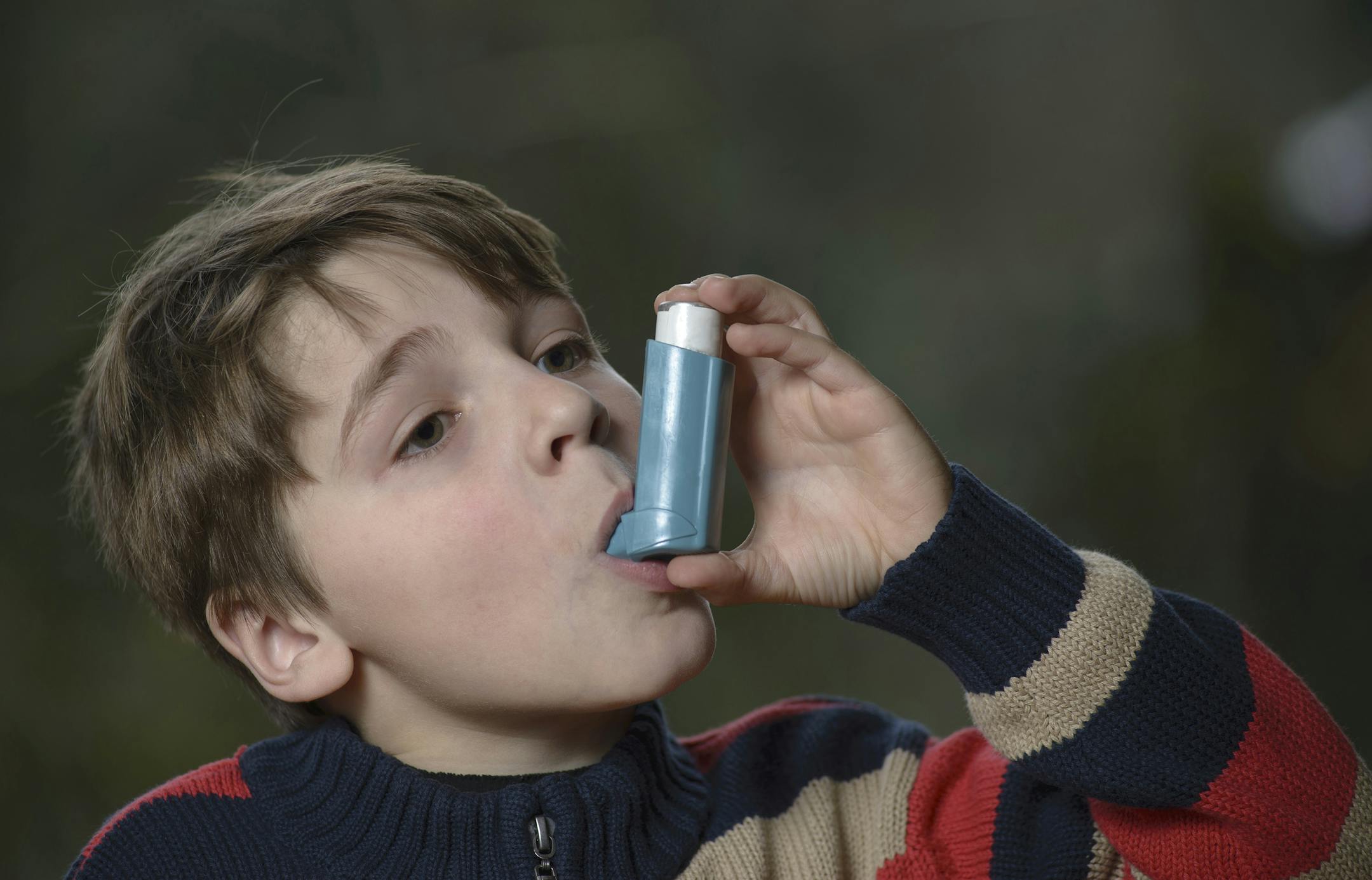
Such is the case with metered-dose inhalers, which are prescribed to treat two of the most common respiratory diseases in the United States: asthma and chronic obstructive pulmonary disease. These inhalers use hydrofluorocarbon aerosol propellants to help deliver medication into the lungs. The propellants are greenhouse gases that can trap heat roughly 1,500 to 3,600 times as well as carbon dioxide over 100 years.
The good news is there are other inhalers that are effective, are cost-competitive and can contain the same active ingredients but aren't nearly as damaging to the climate. One type of these devices, known as dry-powder inhalers, is associated with significantly less emissions compared with traditional propellant-based devices. Replacing high-emission inhalers with these or another type of inhaler called soft-mist inhalers could result in better outcomes for patients and the planet.
The contribution of metered-dose inhalers to health care sector greenhouse gas emissions is substantial. Researchers in Britain estimated that they account for 3-4% of its national health system's emissions. And the British-based global pharmaceutical giant GSK said that they are responsible for 45% of the company's carbon footprint. Accordingly, there has been a growing effort in Britain and other European nations to reduce the environmental impact of asthma and COPD care resulting from these inhalers.
Despite the fact that in 2020 Americans used roughly 144 million metered-dose inhalers — the greenhouse gas equivalent of driving half a million cars for a year — the U.S. has generally ignored their contribution to global warming. As we phase down hydrofluorocarbon gases from other sectors of the U.S. economy, the health care industry must do its part.


