

The report on "saving Minnesota's child care sector" during the COVID-19 pandemic arrived in the middle of an already exhausting week, following the death of George Floyd in Minneapolis and the eruption of anger, grief and violence that followed.
It was the kind of report that seemed easy to put aside amid talk of bigger problems. Until reaching the end, where its message was simply stated: No child care, no economic recovery.
Parents who need to leave the house for work still need child care, and nearly half now allowed to work from home still do, too, according to one survey. That's why you see the involvement of business groups like the Minnesota Chamber of Commerce in the coalition that produced this latest paper.
In a conversation last week with the economist Art Rolnick, who sent me the white paper, he referred to child care as early childhood education, making the good point that providing for a high-quality place for little kids is an investment that generates returns.
He has been an advocate of additional funding for the youngest kids for years, a project that really goes back to the early 2000s and his role then as research chief at the Federal Reserve Bank of Minneapolis.
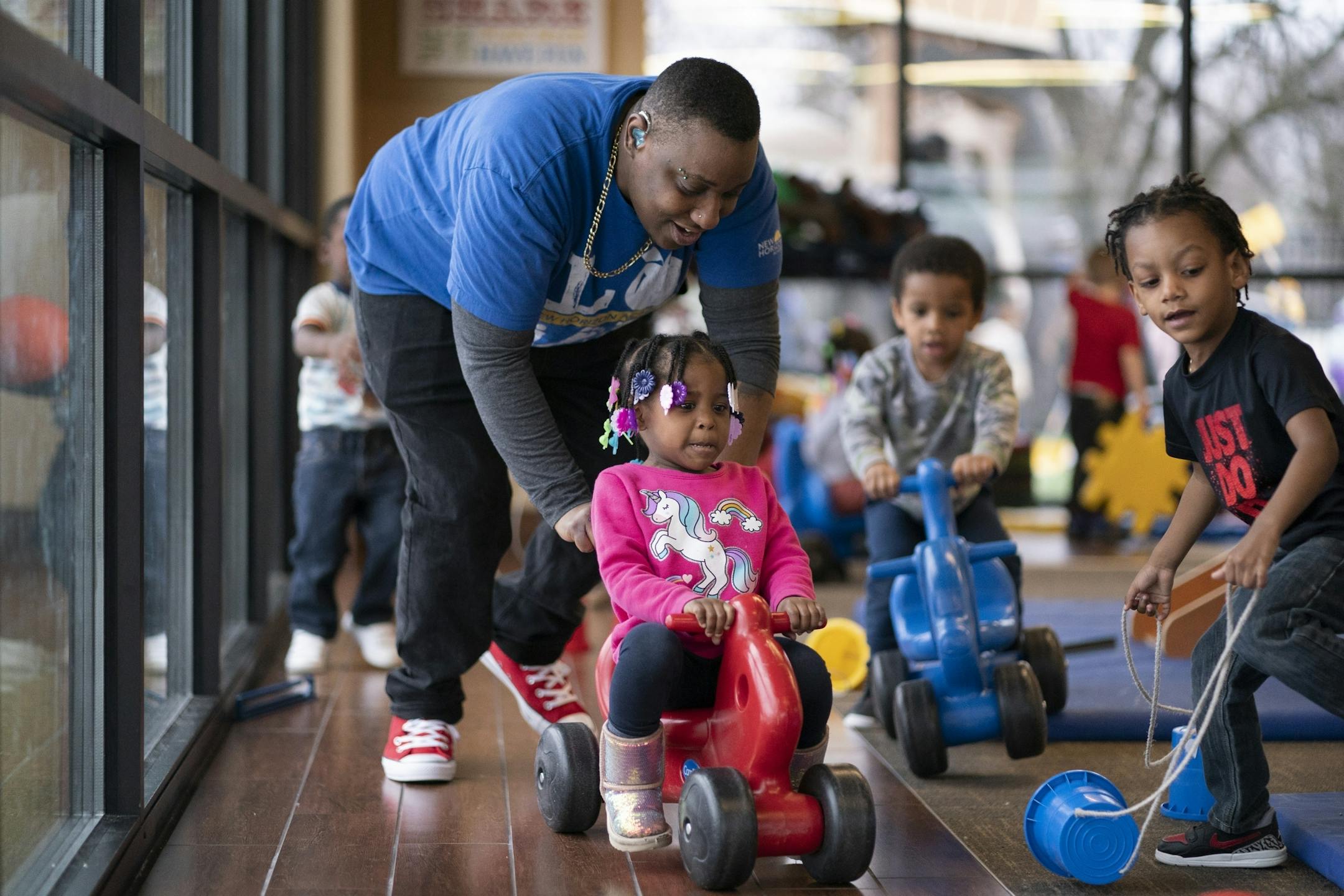
Early childhood education might be what others called child care, but it's really mostly the same thing. In addition to being kept safe, active and fed, kids in a high-quality child care program are building fine motor skills and learning all about shapes, colors, letters, numbers and other things that will help them do well once they get to kindergarten.
Among the groups that participated in this latest paper on the crisis in early childhood education is one called Close Gaps by 5, where Rolnick and several business leaders serve as board members. The term "gaps" reflects one key notion in their work, that the early childhood education system as it existed really disadvantaged kids from lower-income families, a big contributor to what's called the achievement gap in education.
In a continuation of the work that Rolnick once participated in, the Minneapolis Fed reported last fall that Minnesota has some of the largest gaps in the nation on educational outcome measures by race and economic status.


