

According to the federal accountants and financial institutions who benefited, the 2008-09 taxpayer bailout of Wall Street has made money for the U.S. Treasury.
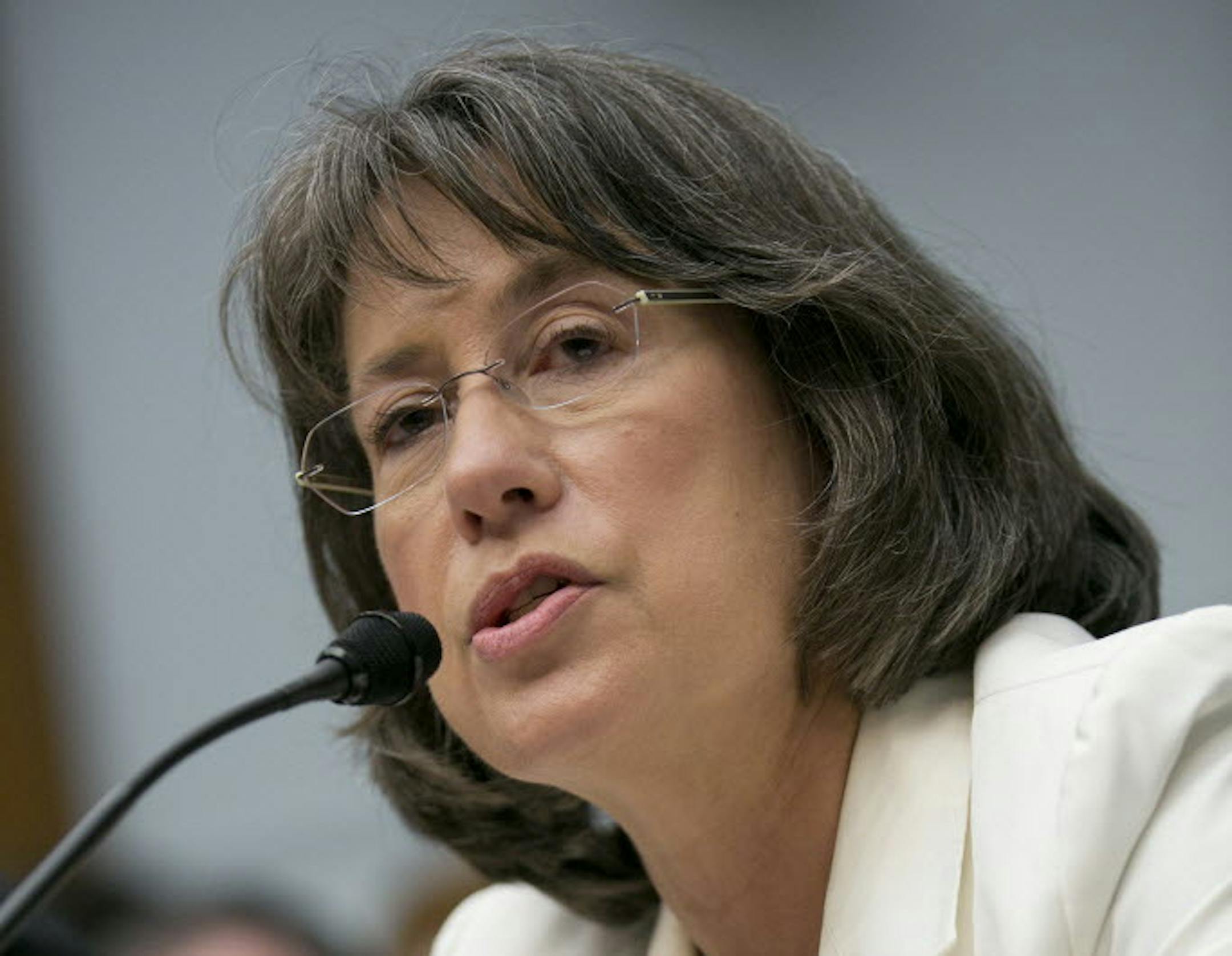
The ponderous Dodd-Frank law is supposed to ensure there's not another rescue of the nation's biggest banks. Still, Sheila Bair, named by Forbes magazine as the second-most-powerful woman in the world in 2008, is not done with Wall Street.
"I think the bailouts saved the [huge financial institutions from Citigroup to Goldman Sachs]," Bair said in Minneapolis last week. "We didn't save the economy."
Bair, a populist Republican lawyer from Kansas who was counsel to Sen. Robert Dole in the 1980s and a federal regulator after that, was chairwoman of the Federal Deposit Insurance Corp., which insures bank depositors, between 2006 and 2011. Starting in 2008, the panicked Federal Reserve and U.S. Treasury pumped hundreds of billions in cash into wounded banks, money managers, General Motors and insurers to reinflate an overleveraged financial system that threatened a global economic meltdown.
The system survived. The stock market, thanks partly to government policies that have held down interest rates, has since hit all-time highs. But our opinion of Wall Street couldn't be lower.
Bair wrote a book in 2012 called "Bull by the Horns: Fighting to Save Main Street from Wall Street and Wall Street from Itself." In her speech last week at the annual Hendrickson Institute for Ethical Leadership Forum at St. Mary's University in Minneapolis, Bair noted that the leaders of those institutions that survived (and went on to make tens of millions in compensation) still deny their roles.
"Where is the ethical leadership in making and funding millions of loans that people could not afford," Bair said. "[Where's] the ethical leadership in taking people in low-income neighborhoods and refinancing them out of FHA-insured 30-year loans" into subprime loans with short-term balloon payments?
In short, Bair argues that the money lenders and Wall Street paper peddlers violated the trust that used to be taught in first-year business school classes: the sellers of financial products know more than their customers and have a fiduciary duty of care to not put them in jeopardy.


