6 volunteer opportunities across the U.S. for nature lovers

Cuts to staffing and programs nationwide mean volunteers are needed more than ever.

NextAvenue
August 6, 2025 at 3:38PM
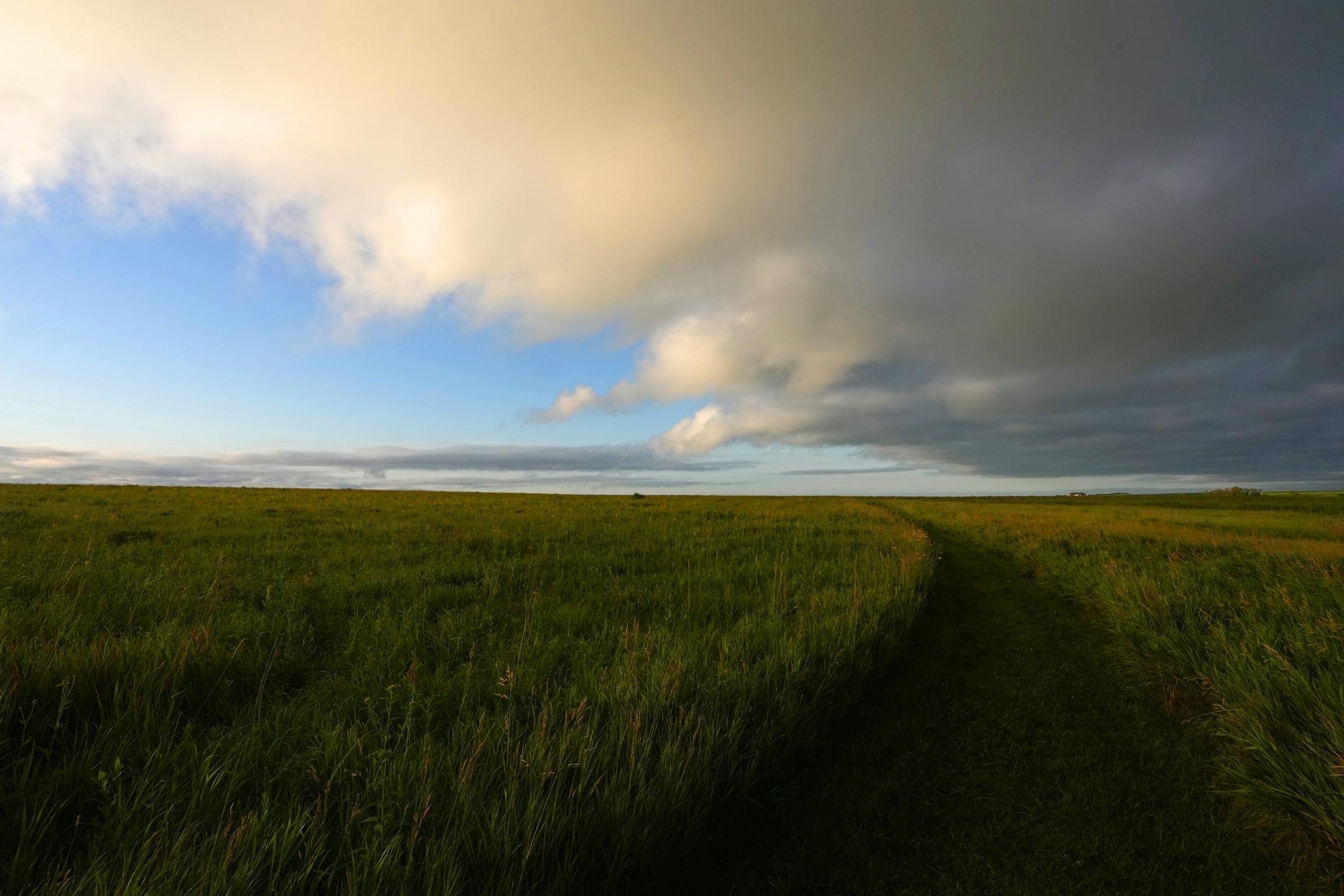
Sunrise at Touch the Sky Prairie Unit National Wildlife Refuge in Luverne, Minn. (Anthony Souffle/The Minnesota Star Tribune)

Recent staffing and budget cuts have hurt nature conservation programs, research projects and park and refuge services across the United States. Many systems, agencies and organizations need volunteers more than ever before. If you love nature, you can find volunteer opportunities in every state through one of the following organizations.

National Wildlife Refuge System

The National Wildlife Refuge System is the largest conservation system in the world, but it has experienced unprecedented staffing cuts, losing more than 30% of its staff over the last 15 years and an additional 25% in January of 2025. More than 10% of the refuges are completely unstaffed, and not one has the necessary resources to fulfill their mission of conserving habitats and wildlife.

“We are facing a moment when entire refuges are without staff, basic operations are falling apart and habitat management and visitor services are slipping through the cracks,” said Desirée Sorenson-Groves, president and CEO of the National Wildlife Refuge Association, in a June 2025 press release. “Our refuge system cannot survive on this level of funding let alone deliver the unique benefits its mission serves to the American people.”

National Wildlife Refuges always have relied heavily on volunteers and “Friends” organizations, and the need for a supplemental workforce is only increasing. You can find volunteer opportunities by contacting a refuge in your area, including the Minnesota Valley National Wildlife Refuge in Bloomington or Big Stone National Wildlife Refuge in Lac Qui Parle County.

National Park Service
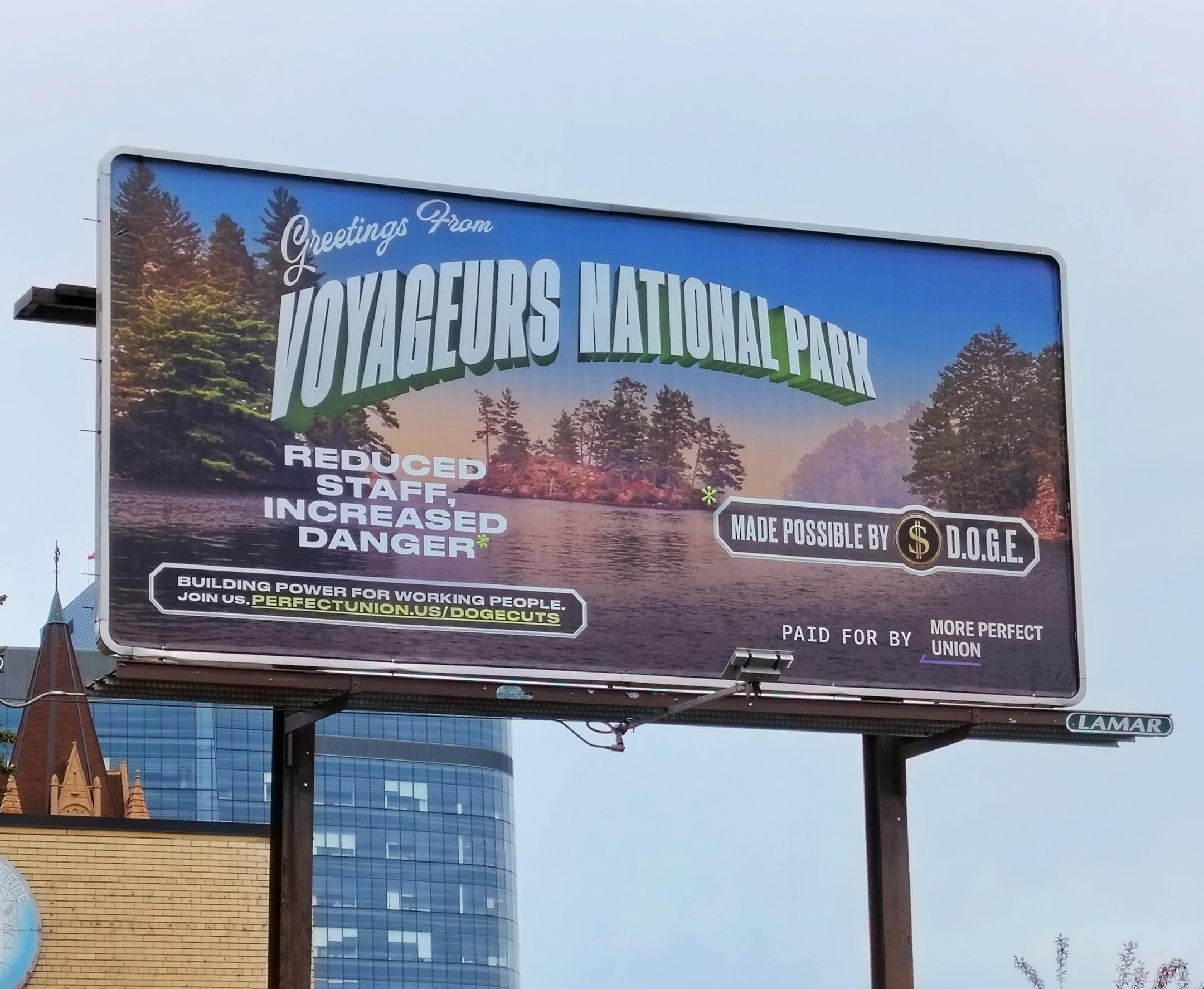
A billboard in downtown Duluth criticizes cuts to national parks, including Voyageurs. (Jana Hollingsworth/The Minnesota Star Tribune)

The National Park Service is a federal agency within the U.S. Department of the Interior that is responsible for managing all national parks and many national monuments. The agency has lost 24% of its permanent staff since January, and the latest budget reconciliation bill takes back $267 million of previously committed funding for National Park staffing.

Theresa Pierno, president and CEO of the National Parks Conservation Association, has said, “Proposed cuts of this magnitude could shutter at least 350 national parks sites across the country, effectively more than 75% of our park system.”

The Volunteers in the Parks Act of 1969 does not permit volunteers to displace or perform services typically done by paid National Park Service employees as part of their assigned work. However, the proposed cuts mean that volunteers are needed more than ever.

Common NPS volunteer activities include trail and building maintenance, visitor education and training, library support, wildlife monitoring and campground hosting. Volunteer opportunities are available nationwide, including in U.S. territories, and can be found at volunteer.gov or by contacting the specific park with which you’d like to volunteer.
CitizenScience.gov

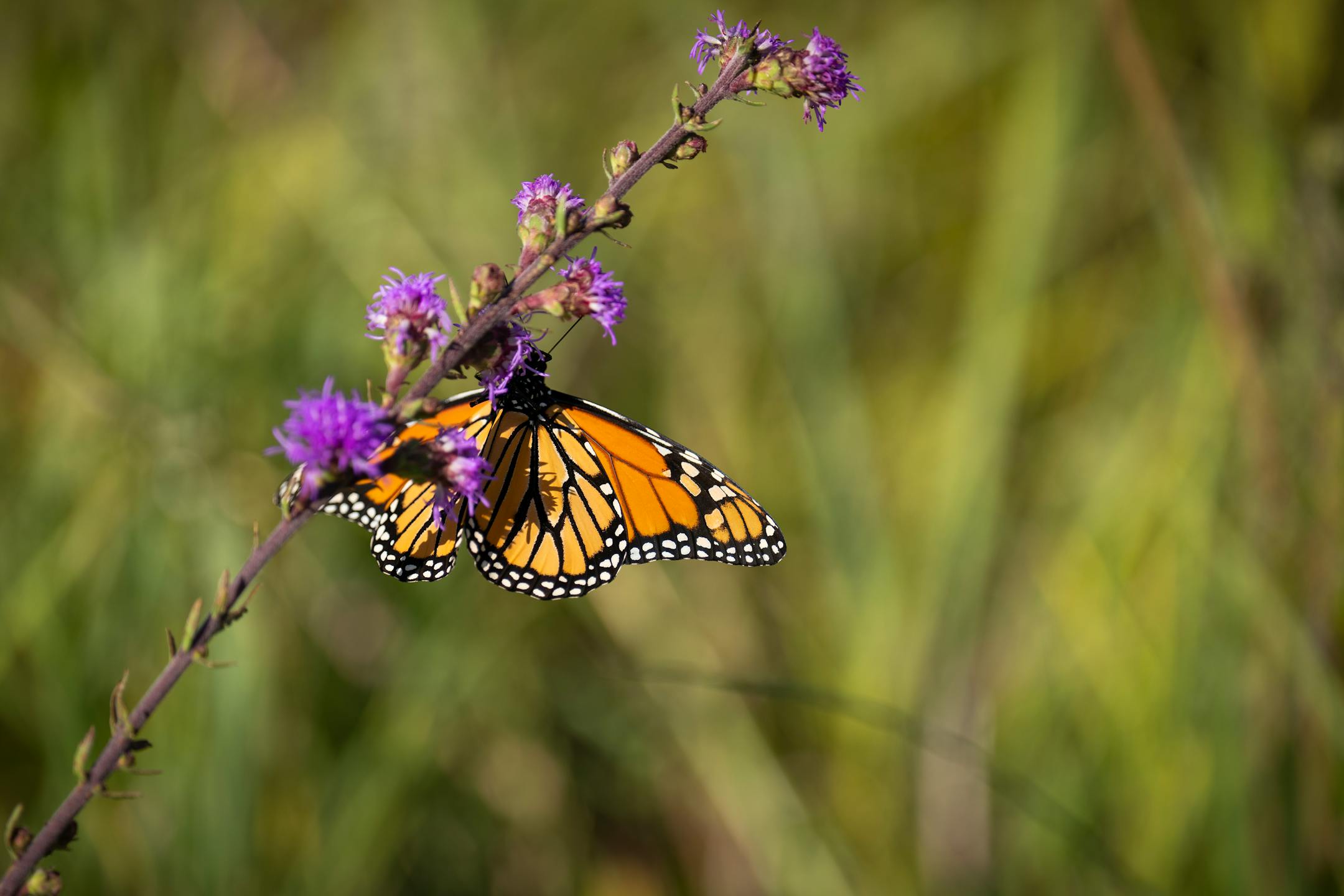
A monarch butterfly at the Minnesota Valley National Wildlife Refuge in Bloomington in 2023. (Shari L. Gross/The Minnesota Star Tribune)

Professional scientists can only accomplish so much when working alone and with a limited budget, so they often turn to citizen scientists to help collect the observations and data necessary for conducting large-scale research. One of the ways they advertise their needs is through CitizenScience.gov, an official government website launched in 2016 to connect federal agencies with willing volunteers. The website contains a searchable database of volunteer opportunities.

Opportunities exist nationwide, making it relatively easy to find a nature project that suits your interests and local habitat. There are citizen science projects related to weather and climate, butterflies and birds, mammals and reptiles, ecology, biology, geology and many other areas. Most projects are designed for individuals with little to no experience and often include training modules or apps to help you make observations and collect data.

U.S. Fish and Wildlife Service

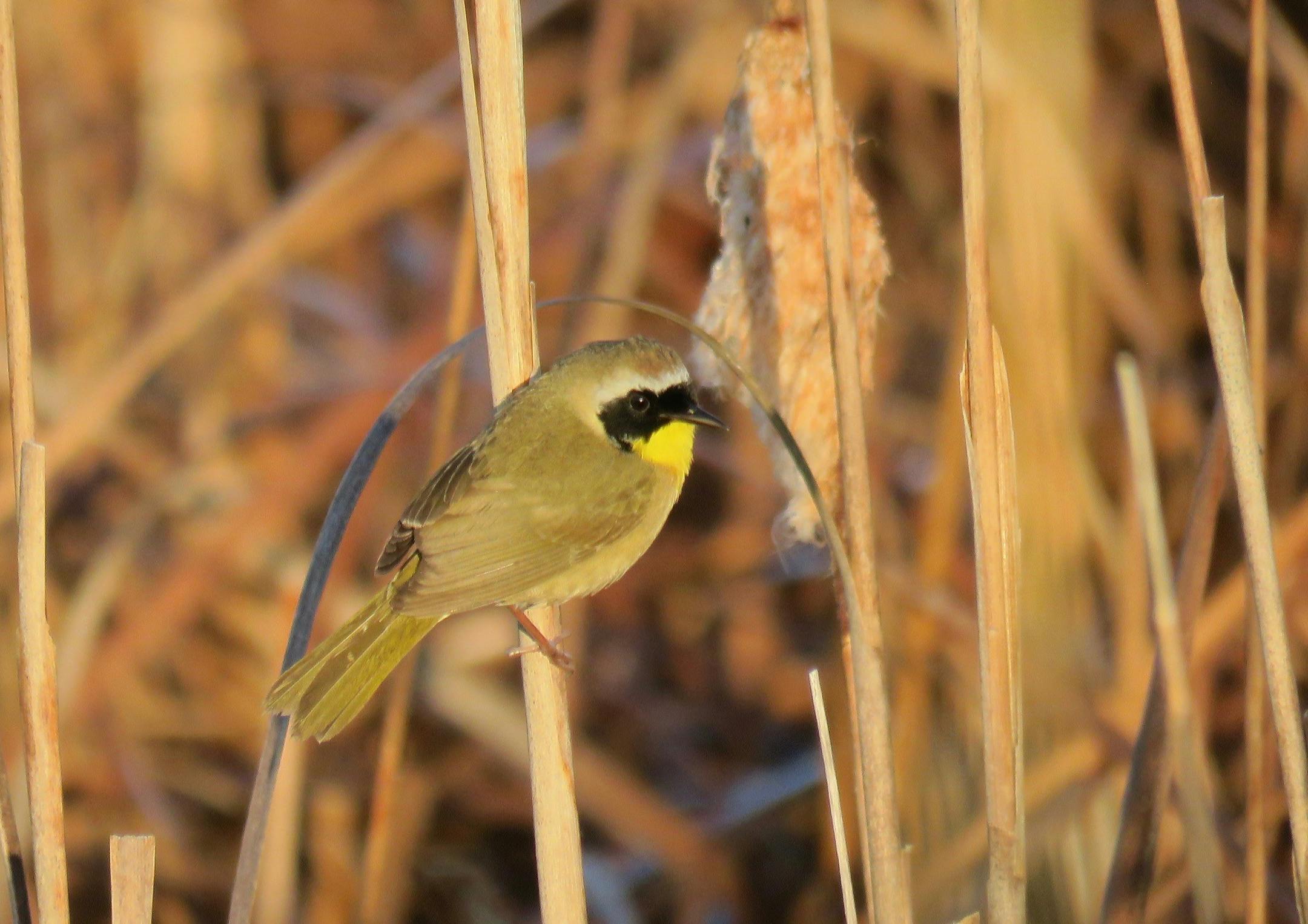
A common yellowthroat paused among the cattails at Tamarac National Wildlife Refuge. (Lisa Meyers McClintick/For the Minnesota Star Tribune)

The U.S. Fish and Wildlife Service‘s National Fish Hatchery System raises fish and other aquatic species to conserve and restore wild populations. They recently experienced mass termination of federal fish and wildlife professionals, funding freezes and proposed budget cuts. These changes could have long-term devastating impacts on public lands and waters.

Volunteers are needed to lead tours, conduct plant and animal surveys, restore habitat and help the U.S. Fish and Wildlife Service achieve its conservation goals. You can find hatchery volunteer opportunities on the website.

The Nature Conservancy

Marsh marigold and jewelweed are seen along a creek at Moon Valley Wildlife Management Area near Byron, Minn. (Leila Navidi/The Minnesota Star Tribune)

Since its founding in 1951, the Nature Conservancy has evolved from a grassroots organization into one of the country’s most wide-reaching environmental organizations, with conservation efforts in all 50 states and around the world. The organization relies primarily on private donations, but also gets grants and funds from federal agencies facing staffing problems and budget cuts.

Volunteers are a core part of the Nature Conservancy. They help to monitor biodiversity, control invasive species, care for native plants, restore green spaces, protect water sources and more. Volunteer programs are available in most states and can be found on the Nature Conservancy website.

Nature centers

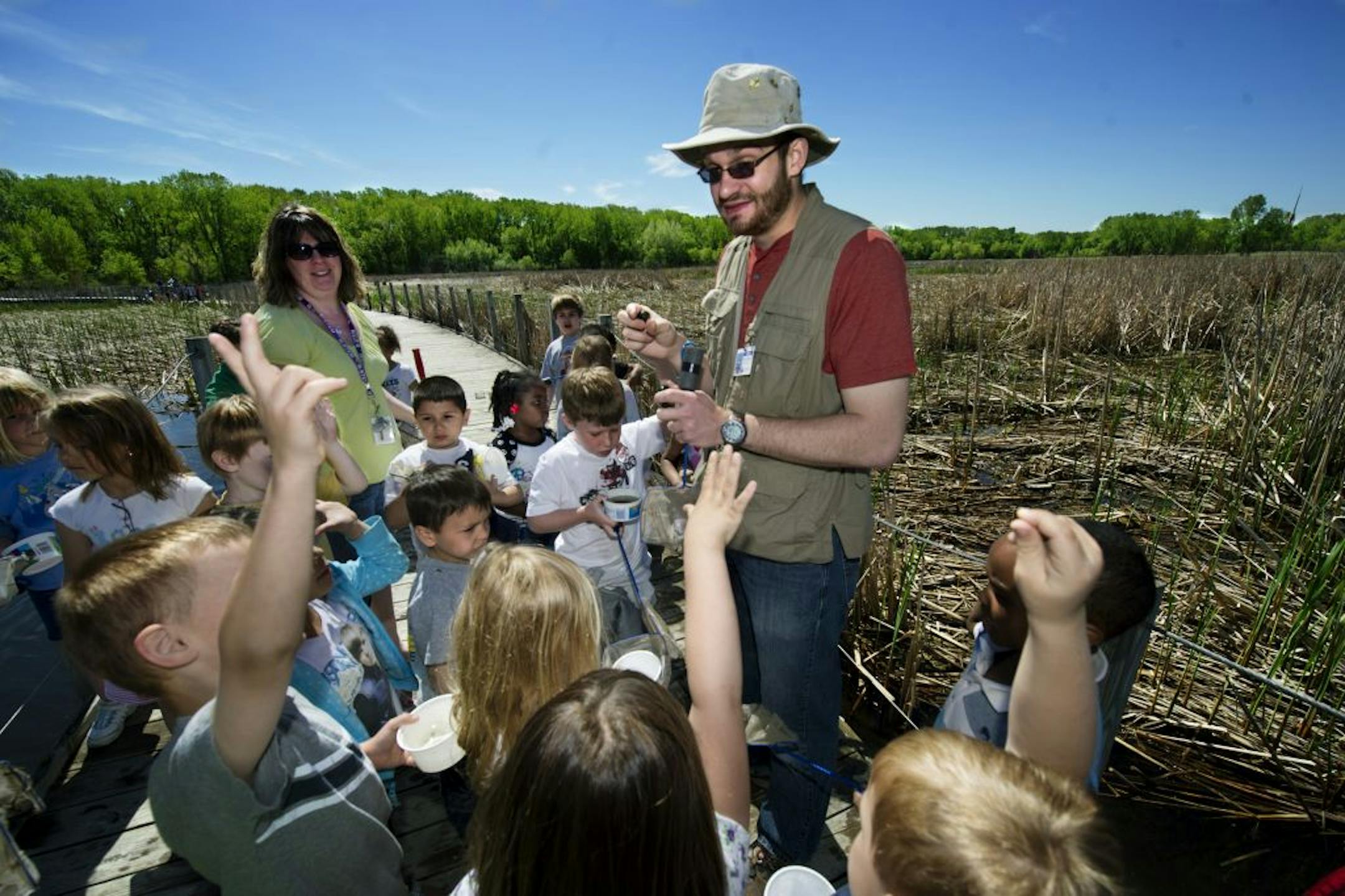
Wood Lake Nature Center naturalist Brandon Baker spoke to Michelle Gerten's kindergarten class about the smaller living things in lake that feed the ducks and turtles. The group, from the Richfield STEM school, was on the boardwalk that crosses Wood Lake.
A Wood Lake Nature Center naturalist spoke to a kindergarten class about the smaller living things in lake that feed the ducks and turtles. (David Brewster/The Minnesota Star Tribune)

Many local nature centers rely heavily on volunteers to operate and deliver programs and services. Volunteers assist with fundraising, habitat restoration and conservation, visitor services, community outreach, maintenance, event support, administrative tasks and a variety of other activities.

The average nature center does not receive funds directly from the federal government, but it does receive money from state and local governments, which get some of their funding from federal agencies, grants and programs that may be on the chopping block. You can help your local nature center by volunteering for single-day events and multiple-day opportunities.

about the writer

about the writer

Anna Champagne

More from The Good Life

See More
FILE - This Wednesday, May 30, 2007, file photo shows a cable box on top of a television in Philadelphia. Cable boxes may not be very exciting, but theyíre emerging as a new battleground over the future of TV. Technology companies and the government want to open up the boxes to new services and programming. Cable companies want to keep control in their own hands. The outcome could affect what you pay for television and whether youíll still need to clutter your entertainment center with
Matt Rourke/The Associated Press

Canceling a late loved one’s cable account led to an outrageous interaction with an AI assistant.