Downsizing precious memories and family heirlooms

It’s important to share stories of the objects with dear ones so they know the context and understand the sentimental value.

For the Minnesota Star Tribune
February 18, 2026 at 11:30AM
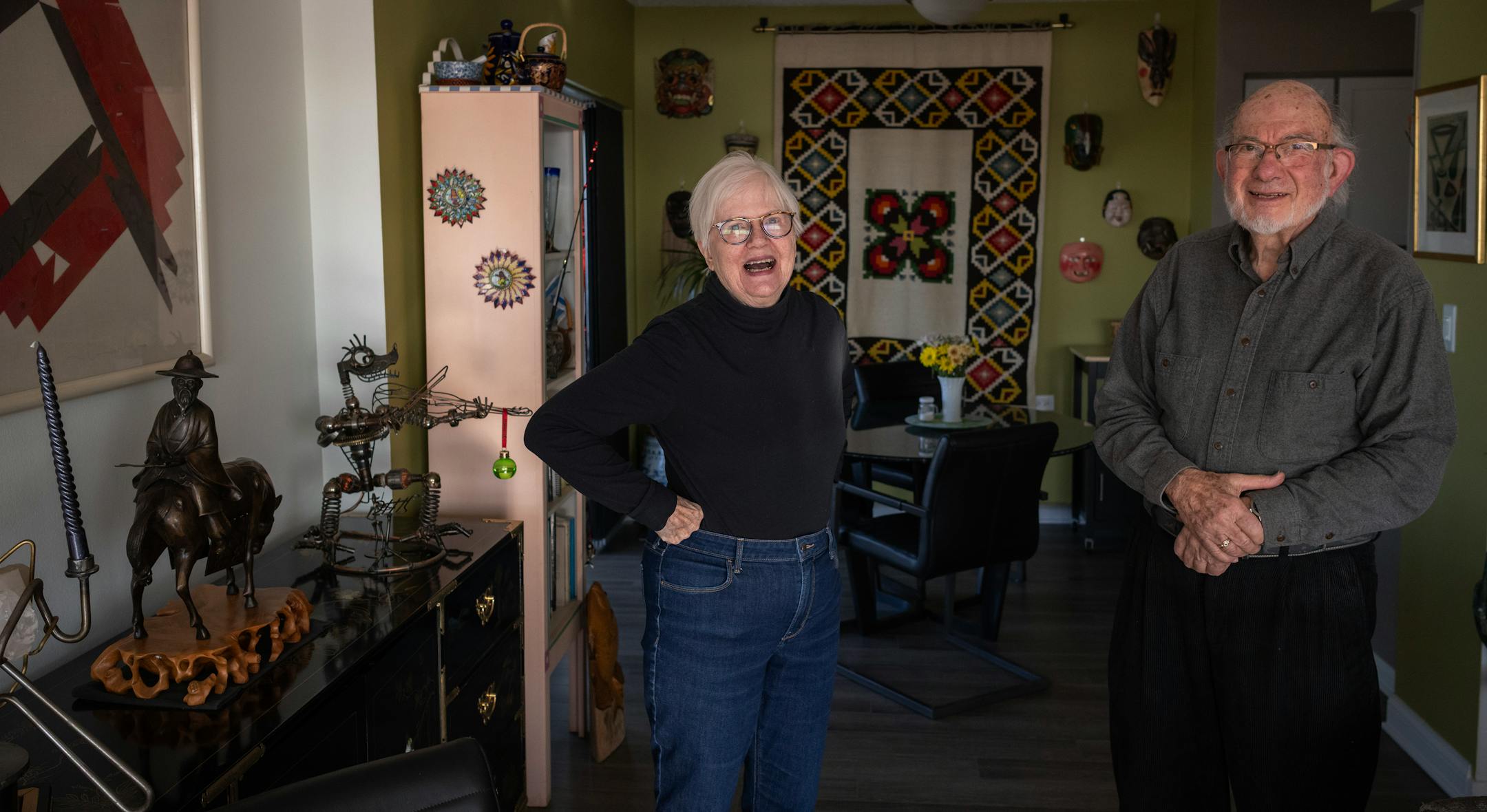
Geri and Alan Kagan own a varied collection of artisanal masks, sculptures and artworks that they bought and were gifted during travels around the world. They were mildly disappointed but not entirely surprised when nobody in their extended family wanted to inherit the masks. (Jerry Holt/The Minnesota Star Tribune)

Geri and Alan Kagan’s adult children drew the line with the decorative artisanal masks.

But to the couple, the masks were part of their collection of hand-carved wooden deities and painted art pieces from their worldly travels to places like China, Indonesia and Mexico, showcasing their appetite for cultural connections and personalized adventures.

“Whenever we traveled, we brought back a piece of art,” explained the 93-year-old Alan Kagan, a retired University of Minnesota professor of ethnomusicology and a trained musician of Chinese instruments. It was an easy souvenir to bring back. One of his favorite artifacts represents a professor and was gifted by a friend in South Korea, he said.
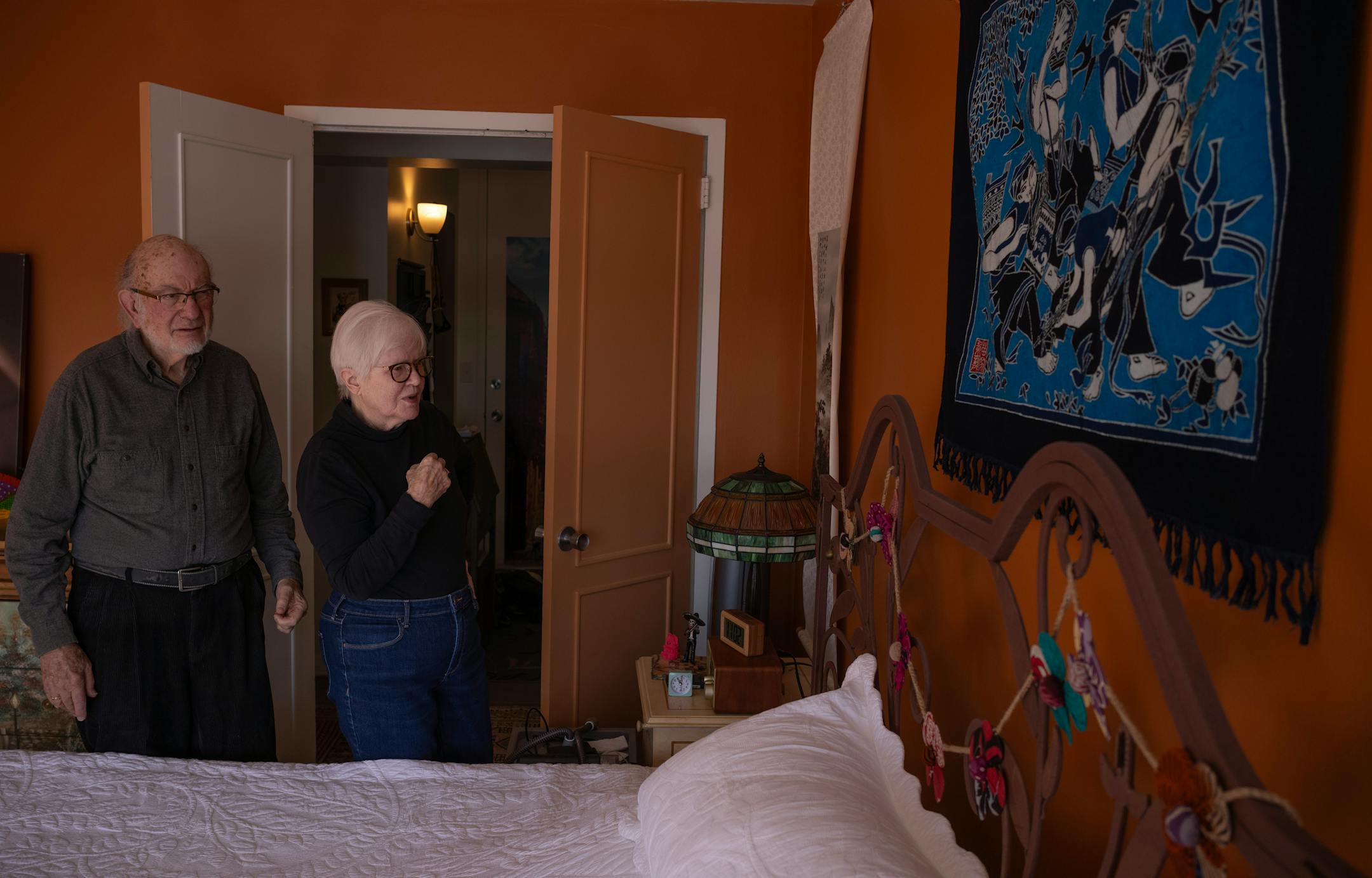
A batik work from Thailand, which depicts four men playing the mouth organ called khaen, hangs in a bedroom in Alan and Geri Kagan's apartment in St. Paul. Alan wanted to buy the piece because of his ethnomusicology career, Geri said. (Jerry Holt/The Minnesota Star Tribune)

Not so easy was trying to pass along the masks to family members when the Kagans started the downsizing process three years ago, moving from a large suburban home in West St. Paul to a much smaller three-bedroom apartment along Mississippi Boulevard in St. Paul. Nobody in their extended family wanted to inherit the masks despite their interesting origin stories and unique designs. The Kagans were mildly disappointed but not entirely surprised, which is why a small selection decorates the kitchen table wall tableau in their new home.

Kagans’ Gen X kids and millennial and Gen Z grandchildren have their own thoughts on what they value and how much “stuff” they can handle in their lives.

“They have their own interests and their own tastes,” said 86-year-old Geri Kagan of the couple’s children and grandchildren. “They have enough of their own right now. Their houses are full. … One generation apart has made a big difference — in taste, in style, in volume.”
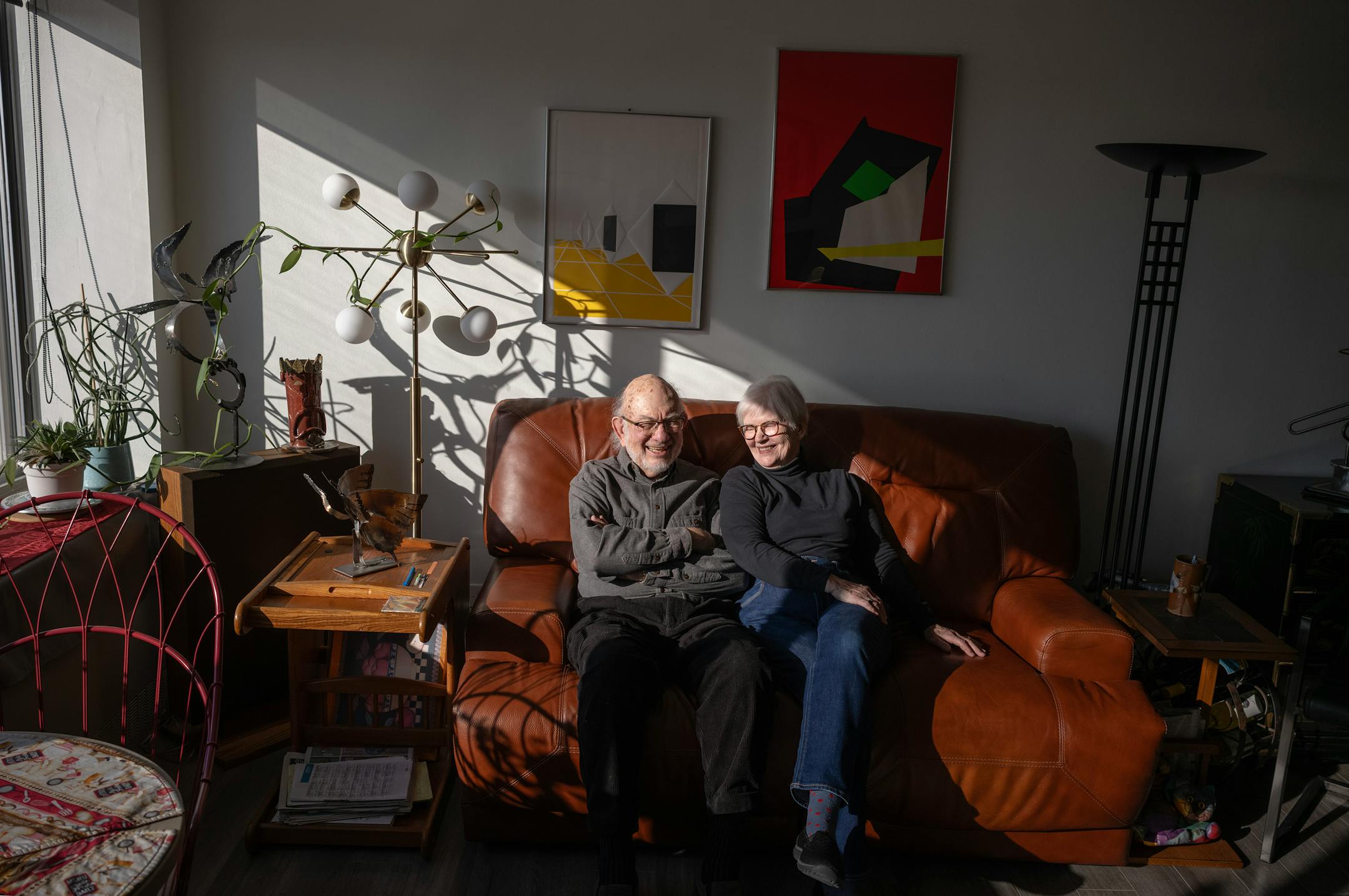
Alan and Geri Kagan had a lot of items to sort through, including artworks, kitchen appliances and sets of dishes, before downsizing from a large house to a smaller three bedroom apartment in St. Paul. (Jerry Holt/The Minnesota Star Tribune)

Sorting through

Compounding the downsizing task for the Kagans was the fact that theirs is a second marriage for both — so they had multiples of some items such as kitchen appliances and sets of dishes. Plus, Geri had lived in the home more than 50 years, raising her sons there before marrying Alan.

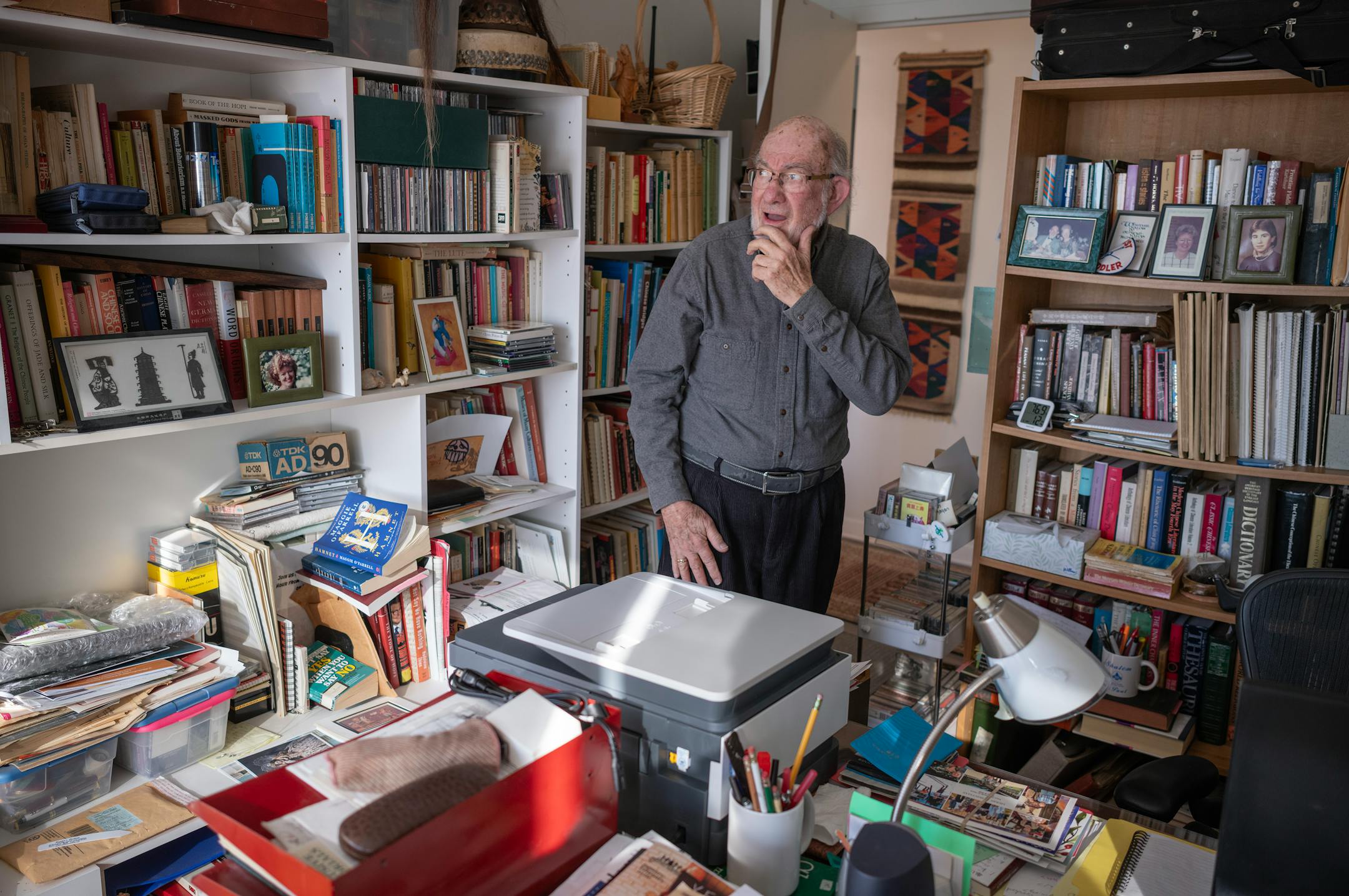
She calls Alan “a collector,” with piles of papers, books, videotapes and records stacked in his office. Geri, a not-for-profit accountant and former business manager for the Minnesota Opera who now does the books for her church, considers herself a minimalist.

“Accountants don’t need a lot of space. We need a file cabinet, and we need a computer,” she said.

When maintenance of their large house with expansive gardens became too much, the Kagans started to downsize while they were both still active and healthy.

During the process, they invited their children and grandchildren to help sort through the clutter and collectibles to claim what they wanted. When passing along treasures to family members, experts advise that it’s best to involve them and share stories of the items so they have the context and memories even if they don’t want them. This can be done with individual conversations or at a large family gathering during the holidays or reunions.

Alan Kagan, 93, plays his violin, which he has owned since high school, in his St. Paul apartment. The retired University of Minnesota professor of ethnomusicology is also a trained musician of Chinese instruments. (Jerry Holt/The Minnesota Star Tribune)

One of Geri’s sons requested the jazz, bluegrass and world music albums to add to his own large vinyl collection. A grandchild took some furniture for his new starter home. Roof repair workers happily selected some supplies piled in the garage. But nobody claimed the plants and flowers from the gardens, the antique Asian credenza, nor the masks.

Geri created a photo album for each child and was amused when Alan’s daughter said she’d rather just have five or six photos instead of an entire curated book. In the end, after a floorplan of the new apartment showed they would still have too much stuff to move, the Kagans rented a 10-foot by 10-foot storage unit that is still packed with items.

One person’s treasure is another person’s … well, “definitely avoid the word ‘trash,’ ” advised Ben Fitzel, general manager of the Minnesota branch of WellRive, a national company that helps people downsize and relocate. The Kagans worked with the organization when it was called Gentle Transitions until its acquisition and rebranding last year.

Alan Kagan's wife Geri calls him “a collector” for the books, papers, videotapes and records he keeps in his home office. (Jerry Holt/The Minnesota Star Tribune)

Downsize, donate, discard

The Kagans did everything right, Fitzel said, by starting their move when it wasn’t urgent and by asking family members what keepsakes they may want. The order is to downsize, donate and then discard. “It just sounds better than throwing it away,” Fitzel said.

On her website NeatLittleNest.com, local organizational expert Michele Vig offers solid suggestions of places that take donations or buy used goods for resale but some items just don’t have the interest they used to.

“Many items that were once considered family heirlooms like china sets, antique brown wood furniture and older decor items no longer have much monetary value,” Michele Dudley said. She’s a professional organizer, owner of Can the Clutter and a Minnesota member of the National Organization of Productivity and Organizing Professionals.

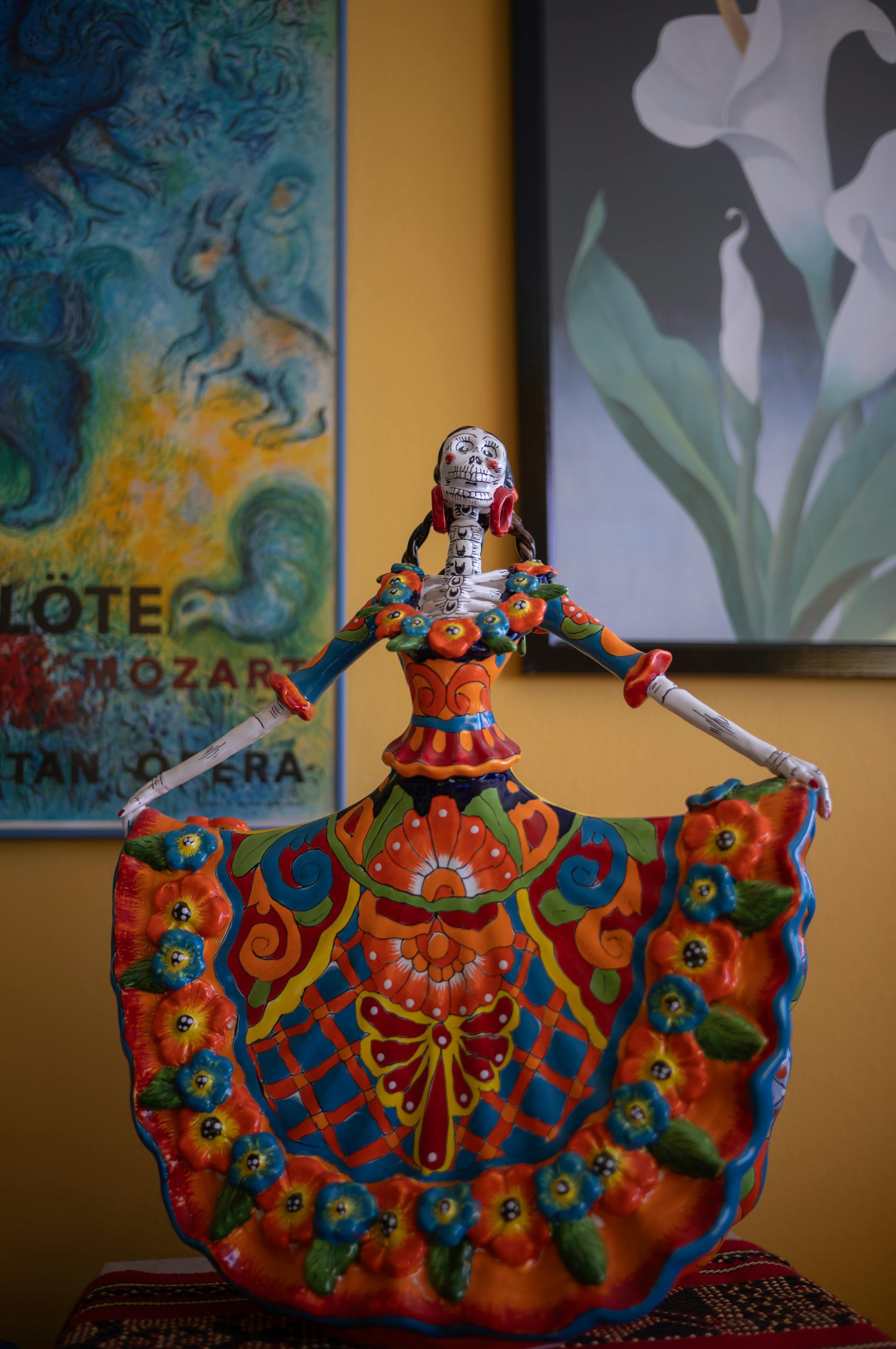
This colorful Talavera skeletal figurine celebrates the Days of the Dead. Talavera pottery is from Puebla but the Kagans purchased the piece in Texas. (Jerry Holt/The Minnesota Star Tribune)

Fitzel added anything of appraised value such as jewelry and fine art are popular to pass along — not surprisingly — but sometimes inheritors may not recognize the sentimental value the giver has for an object.

“Question your relatives to see what items they would like to have. In a lot of cases they either don’t want the items you had in mind for them or they want something else that you hadn’t thought of,” Dudley said.

Her personal example is of a small cast-iron stove from a dollhouse her grandmother owned. It was the one item she, her sister and her cousins all wanted because of their memories playing with it. In the end, her sister inherited the original but found replicas online and shared them with everyone.

For Vig, sitting down with her father and going through the many Readers Digest issues he had saved over the years is time she said she cherishes.

“Decluttering is holistic,” she said.

A massive exchange of wealth, called the Great Wealth Transfer, is expected over the next two decades. Cerulli Associates estimates $100 trillion will pass from the Silent Generation like the Kagans (born between 1928 and 1945) and baby boomers (born between 1946 and 1964) to their younger relatives by 2048. A large portion of the wealth transfer will be property and straight-up financial inheritances.

But what about the stuff the older relatives want to pass along? That’s not so welcomed, according to news outlets including Bloomberg News and Next Avenue. “Nobody wants the stuff,” the headlines say.

Dudley said don’t pressure your relatives into taking items they don’t want. But for those heirlooms or collections they are interested in, “Give the items [they] want to them now for them to start enjoying. Don’t wait until you go.”

How to downsize and declutter

If you are downsizing, NeatLittleNest.com‘s Michele Vig offers these tips to declutter and minimize your possessions:

· Look forward: Create a vision and imagine the life you want and prepare yourself and family members for that.

· Start small by category, not room: And start with the least emotional things such as towels, office supplies and books. Work by category instead of room, gathering similar items such as scissors or other items of utility.

· Reach out: Communicate with family and say how gifting an item may be treasured.

· Fight separation anxiety: Let go of perfection and release the items to let go.

· Give items a new purpose: There are so many ways belongings can continue to serve — through local shelters, church ministries, resale shops. Think of it as sending a personal story forward.

· Find help when needed: Neighbors, church volunteers or professional organizers can be wonderful partners. The key is to choose help that supports peace and doesn’t add stress.

· Take small steps: Work in short, focused bursts, maybe two hours at a time. Don’t expect to finish a house in a weekend. The goal is steady, gentle progress.

about the writer

about the writer

Amy Nelson

More from The Good Life

See More
card image
Amy Carlson Gustafson/For the Minnesota Star Tribune

Organizing your financial documents and passwords is an act of love your family will appreciate after you’re gone.

card image
card image