
You might never hear ‘Thank you.’ Do it anyway.

Organizing your financial documents and passwords is an act of love your family will appreciate after you’re gone.

For the Minnesota Star Tribune
February 18, 2026 at 11:45AM
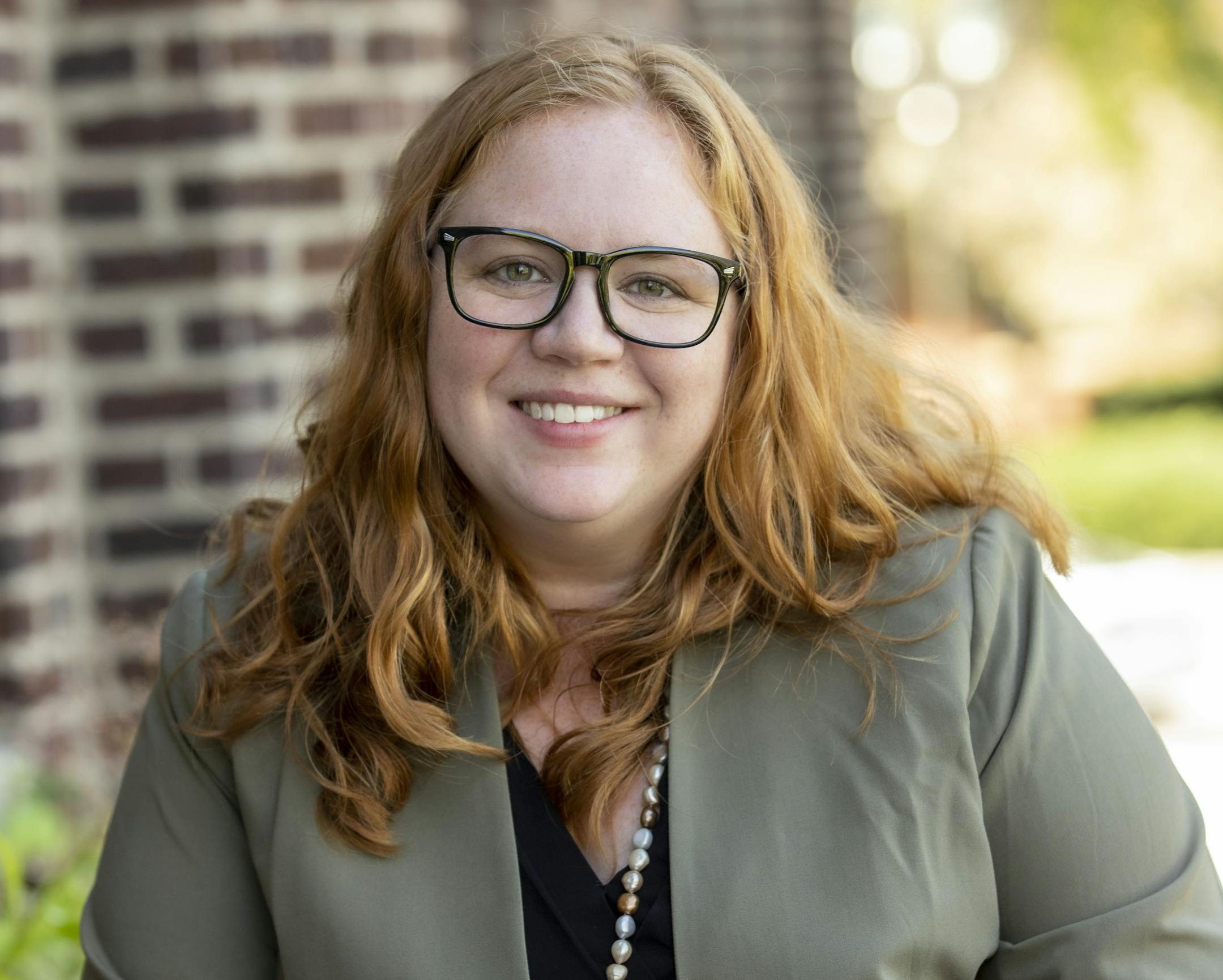
Christine B. Courtney is a St. Paul-based attorney who specializes in estate planning and probate administration. (Amy Carlson Gustafson/For the Minnesota Star Tribune)

Downsizing, spring cleaning and organizing your home. These are all perfect opportunities to tackle unruly piles of paperwork and files. It’s also a good time to make sure you have all your important documents easily identified for your loved ones in case of your death (spoiler alert — it will happen) or incapacitation.

“Fifty years ago, when people died, you would collect their mail for three months, and you would know exactly what they owned,” explained St. Paul-based attorney Christine B. Courtney. “Because people handle things in a paperless way now, it’s much more difficult to find someone’s assets.”

According to a 2025 Caring.com Wills Survey, only 24% of respondents had a will. That number is down from 33% in 2022. Most of the people who walk into Courtney Law have some information, but a small percentage have nothing that’s needed to settle an estate when a loved one dies.

“If the family has a full binder or a file folder, the level of comfort and relief is immense because they understand that they’ve been given a gift,” said Courtney, who specializes in estate planning and probate administration.

“When you take the time to do this, you will never hear thank you,” she added. “However, on the other side, I promise it does pay off.”
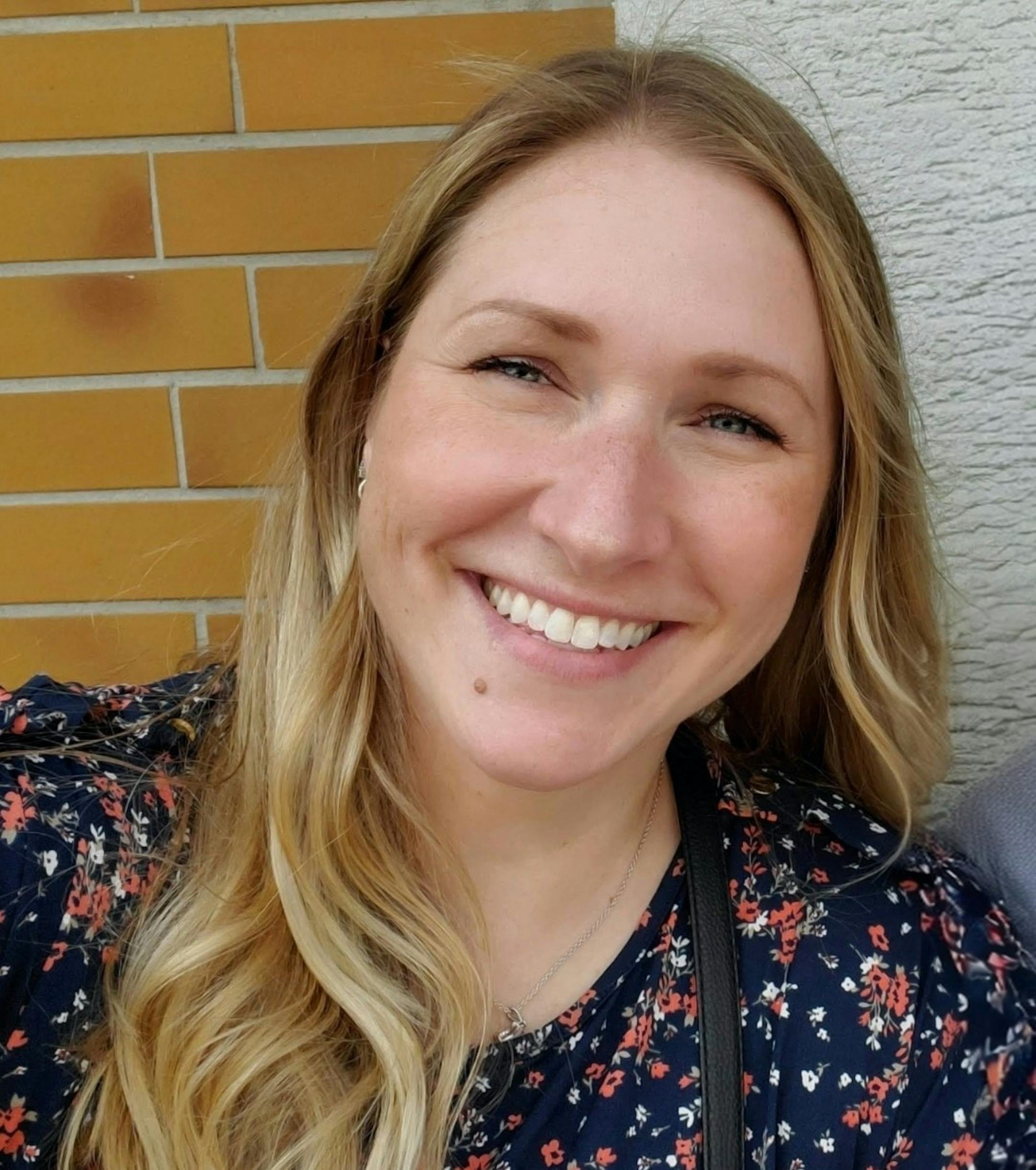
Briana Johnson is the owner of Sensible Spaces, a Ham Lake-based organizing business that helps people to review documents, including end-of-life paperwork and their wills, and streamline projects to simplify their life. (Amy Carlson Gustafson)

Realize things can change

Briana Johnson understands difficult conversations. During her years in law enforcement, Johnson learned how to talk to all kinds of people and calmly navigate stressful situations. A few years ago, she decided to change careers, launching Sensible Spaces, her Ham Lake-based organizing business. Some of those skills from her previous job have come in handy as she helps folks organize their spaces, including files and papers.

“It’s hard for people to acknowledge that things change,” she said. “A lot of people say ‘I used to do this,’ or ‘I want to do this.’ I think it’s really difficult for people to acknowledge the version of themselves that they are currently.”

Last year, Johnson worked with a couple in their 70s. The husband, who had handled all the paperwork and bills, wanted to ensure his wife could run the house if something happened to him. Johnson helped them review all their documents and showed them how to access their accounts online.

“It clears up the physical clutter so it’s not weighing you down,” said Johnson, who is a member of the Minnesota chapter of the National Association of Productivity and Organizing Professionals. “Then we put together the important documents, including end-of-life paperwork and their wills. It’s good to know what the wishes of your family members are especially in stressful situations.”

Johnson even put together a hardcopy — something tangible that they could hold in their hands.

“We wrote it out because she still wanted something on paper,” Johnson said. “I gave them a key to where everything goes and how it works, and it’s color-coded, labeled and very easy to find.”

Keep family in the know

Yes, your adult children might say, “This is morbid,” when talking about end-of-life plans. But Courtney sees the benefits of planning for the future and letting family members know where documents are located before you die.

“I can see in my office the sense of relief, the sense that dad did this for me, or mom was so organized,” said Courtney. “This is easier because they did this. It helps them to grieve in a positive way towards you. The work is cleaner and they also get through probate a lot faster.”

She said many people engage in “magical thinking,” believing the judge will hand them a list of assets and that they’ll have immediate access to all the accounts.

The reality?

“The judge has no list of your assets, nor does anyone else in the government,” she said. “We don’t have a centralized system that tracks people’s assets. Also, no one has your passwords if you didn’t give them to them.”

When someone comes to Courtney and says, “My parent died and I have no idea what they owned,” she said they are going to get some “hard answers.”

“It is tough on people who are grieving when they can’t find your assets,” Courtney said. “It will mix with their grief in a very unpleasant way, because they’re going to feel mad at you. But they’re not going to have a healthy way to express it, while missing you at the same time.”

You might never hear your family thank you for having all your documents organized when you’re alive, but the gift is real.

“It is an act of love to get it done,” Courtney said.

5 essential steps

Follow these guidelines to organize your paperwork and files:

1. Three critical passwords: With a phone passcode, email password and computer password, families will be in a much better position to access everything they need, even if it might take a little sleuthing on their end. Write them down, update them when they change and keep them in a safe spot where the right people can find them.

2. Create a master list of all financial institutions: Ideally, you’d have access to the deceased person’s account numbers; at the very least, keep a list of the accounts and where they are held (banks, investment accounts, credit cards, insurance).

3. Store everything in a fireproof box: Include passwords, estate planning documents, insurance information, passports, birth certificates and marriage certificates. Tell your trusted people where the box is located and how to access it.

4. Document how bills are paid and update: Every two years write down where each bill is paid and how to access online portals. This is critical for keeping utilities running and accounts current.

5. Backup photos: Save to cloud storage or a flash drive and let people know where the photos are so memories of loved ones aren’t lost forever.

about the writer

about the writer

Amy Carlson Gustafson

More from The Good Life

See More
card image
Amy Carlson Gustafson/For the Minnesota Star Tribune

Organizing your financial documents and passwords is an act of love your family will appreciate after you’re gone.

card image
card image