

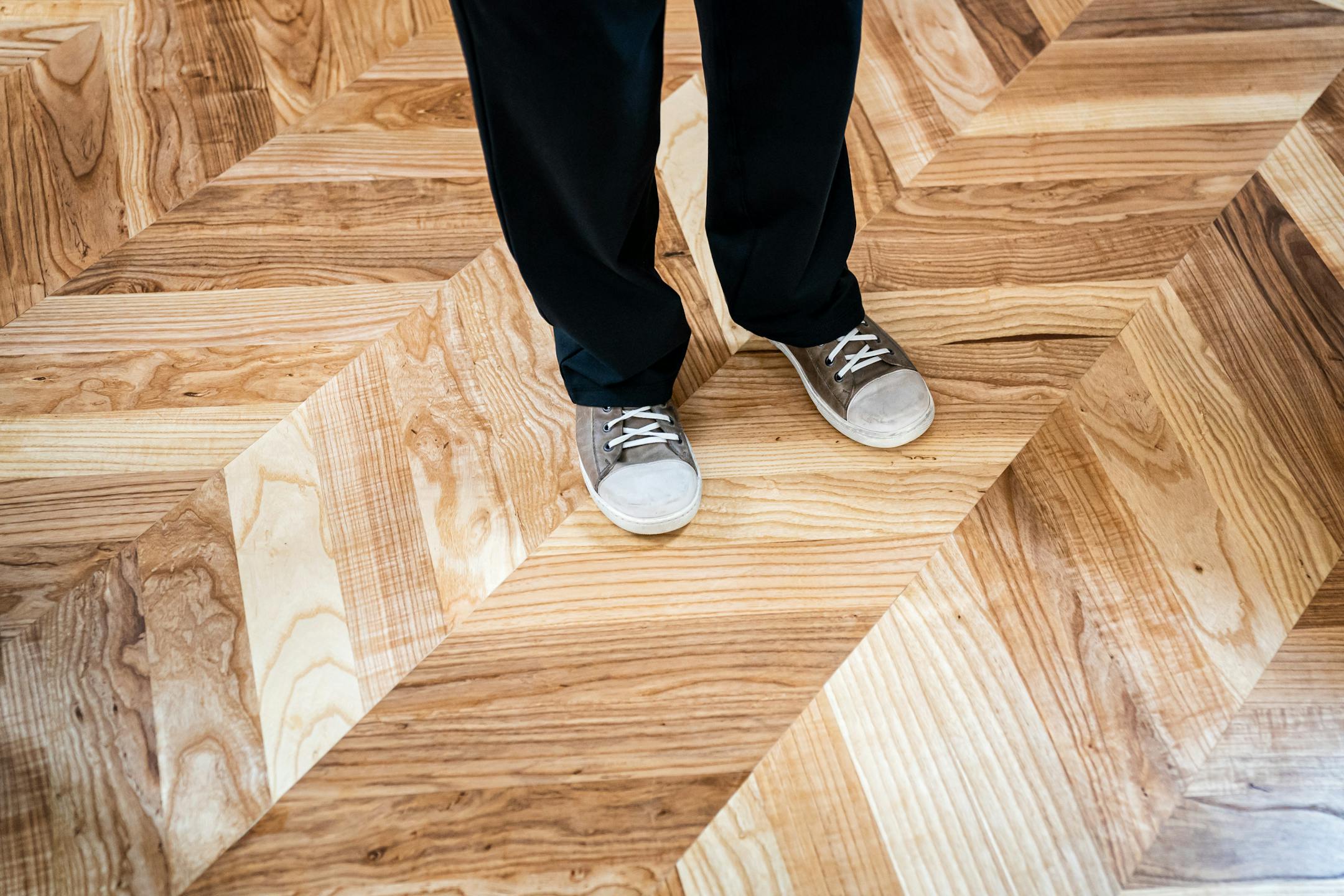
Considering new flooring? You've got some decisions to make. While your grandparents might have just had the option of solid-oak strips, nailed in and finished onsite, you now can choose from myriad materials and finishes.
Choosing a flooring type is the first step. Here are some of the most popular options.
Solid wood strips or planks
Standard 3/4-inch-thick solid-wood flooring looks and feels more realistic than any engineered marvels. Plus, solid wood can be sanded and refinished three or more times, and it's far less expensive to refinish a floor than to invest in a new one.
Solid wood is durable but not indestructible — most solid-wood flooring dents easily and wears faster than other options. It can also be discolored by sunlight and can warp and buckle in moist areas. The biggest drawback is price: Good-quality prefinished flooring costs from $8 to more than $14 per square foot, installed.
Engineered wood
Engineered-wood flooring consists of layers of wood glued together and topped with a hardwood veneer. Compared to the alternatives, engineered wood best mimics the real thing. If you can afford it, consider only flooring with veneers at least 1/8-inch thick. Engineered wood tends to dent easily and even a little moisture can cause permanent damage. But at $5 to $10 per square foot installed, engineered wood costs considerably less than solid wood.
Laminates


