Editor's Pick

Editor's Pick

She’s beating the odds against pancreatic cancer, and hoping science catches up

Mary Ann Gwost Hennen says she is living with cancer, not dying from it — but insurance roadblocks and slow progress on treatments add to her stress.

The Minnesota Star Tribune
November 30, 2025 at 12:00PM
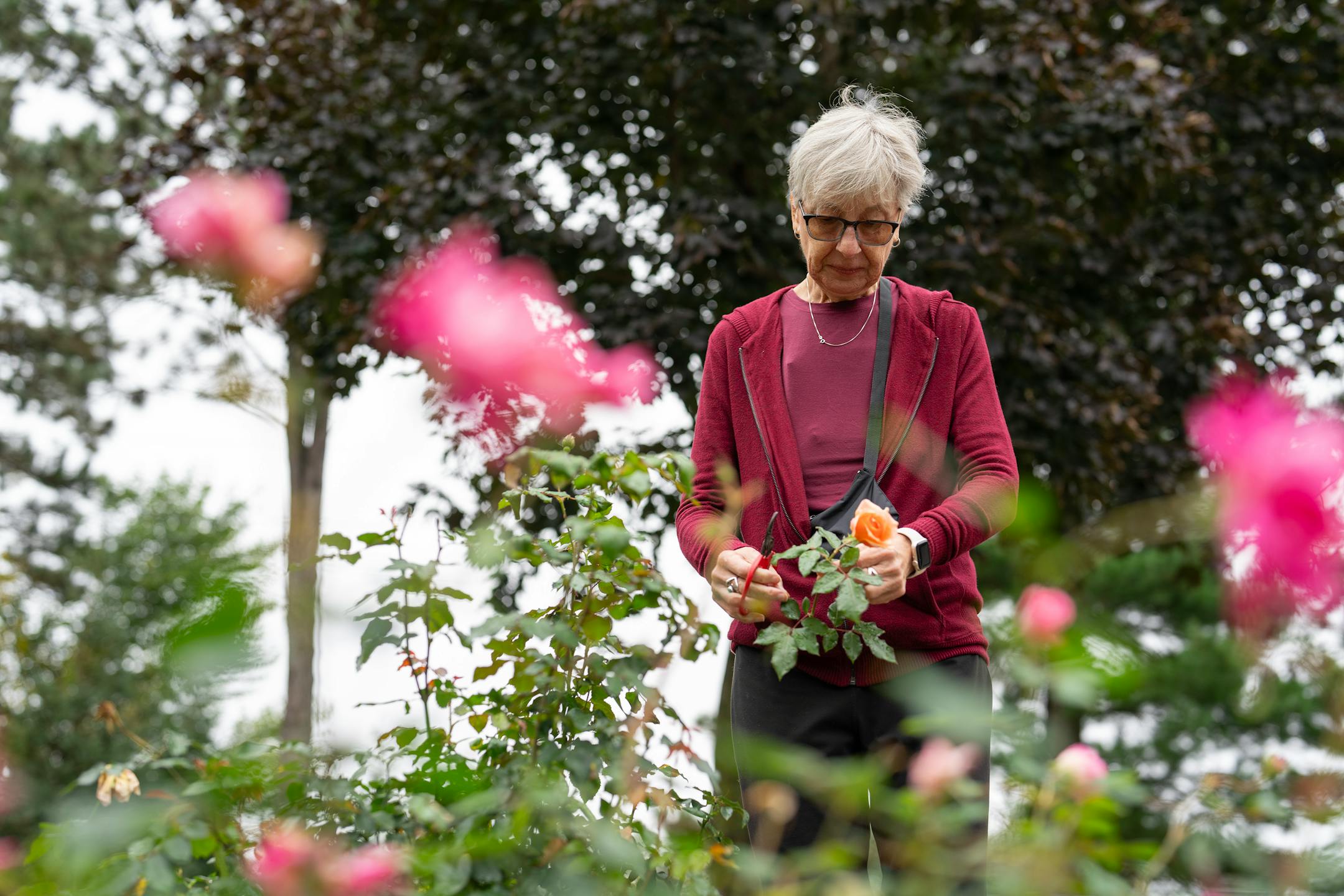
Mary Ann Gwost Hennen, who has Stage 4 pancreatic cancer, often finds solace in the rose garden at her Shoreview home. (Alex Kormann/The Minnesota Star Tribune)

The chemotherapy drip keeps its slow rhythm. Two bags hang on a metal stand beside Mary Ann Gwost Hennen’s chair, the fluid threading through a tube into the port in her chest.

Every two weeks, Hennen comes to Regions Hospital’s Cancer Center in St. Paul, her life now measured in 14-day increments.

On the small table beside her: half a turkey sandwich and a black notebook she’s carried to every appointment. In delicate cursive, she tracks symptoms, side effects, questions — a record that led to the line that changed everything: Stage 4 pancreatic cancer.

“When you say you have pancreatic cancer, people try hard not to gasp,” she said.

Hennen is one of about 66,000 Americans diagnosed with pancreatic cancer last year. A close friend received the same diagnosis just a week later in summer 2024; by winter, she was gone.

Sixteen months later, Hennen is still here, longer than most people with the disease that is the third-leading cause of U.S. cancer deaths, according to the National Cancer Institute.

Longevity, she’s learned, is not certainty. Science is moving forward, but likely not fast enough to reach her in time.

And while she waits for what comes next, she is fighting not only the disease, but her insurance company — over coverage for her lifesaving infusions. Each costs about $16,000.
On top of that, her employer insurance is ending, catapulting her into the complicated world of open-market plans in a year when both Medicare Advantage and traditional plans are in flux and more costly.

Across the country, patients like her are being squeezed by a system in turmoil, where insurers are tightening coverage, hospital costs are rising faster than wages and lifesaving drugs are priced beyond reach. Even those who have done everything right can find themselves one denial letter away from disaster.

The day everything changed

Hennen remembers the day it began: July 3, 2024. For eight months, she’d reported abdominal pain and weight loss that her doctor chalked up to fiber issues. That morning, she called again and insisted on another look.

There was a scan on July 10, followed by a biopsy a week later. The day after that, on her 37th wedding anniversary, the phone rang while she and her husband, John, waited at the vet with their mini Aussiedoodle, Murphy.

“Is John with you?” the doctor asked. Hennen knew then the news wouldn’t be good.

Her first chemo treatment was the next month.

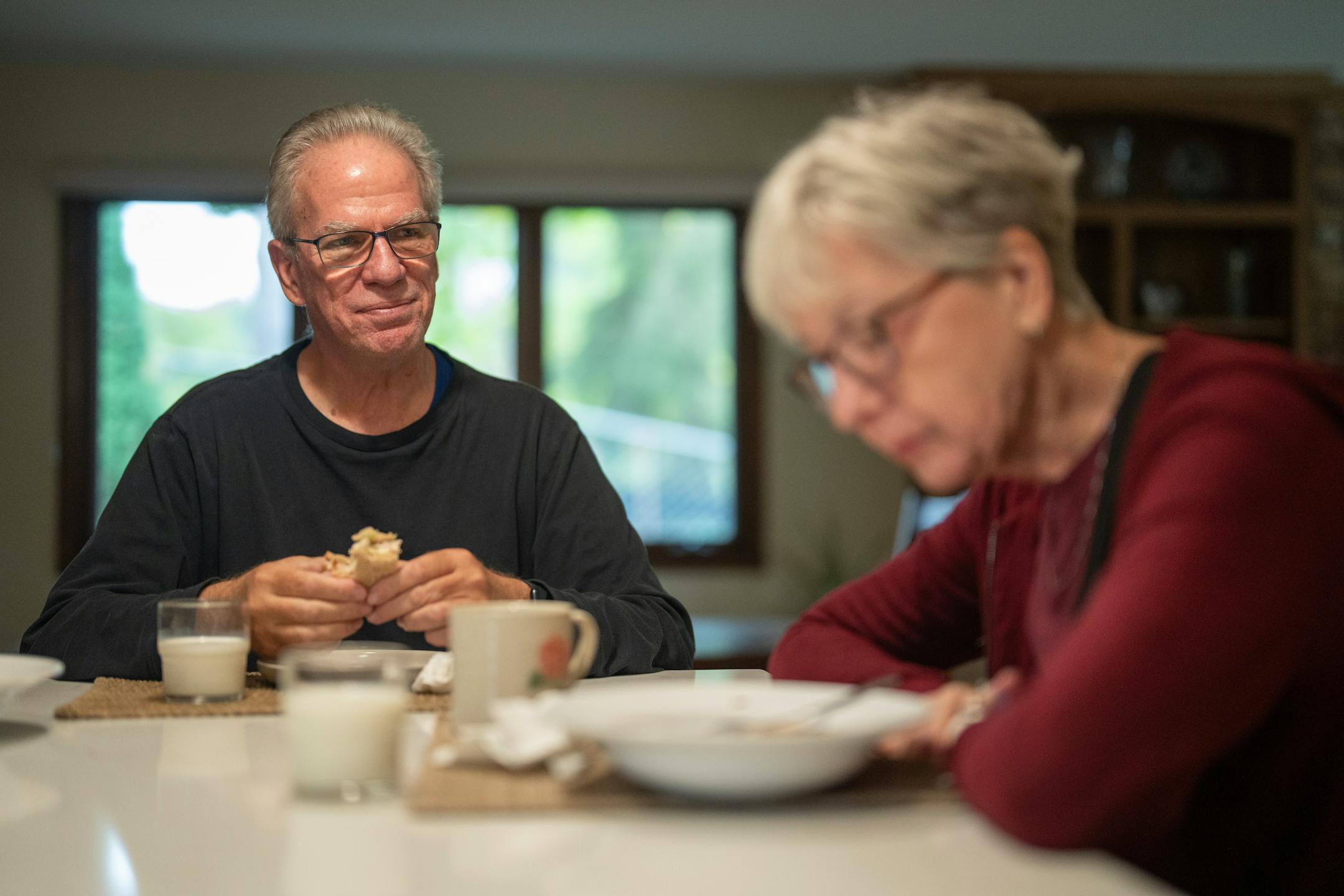
Even with three graduate degrees between them, Mary Ann Gwost Hennen and her husband, John, struggle to make sense of health insurance premiums, deductibles and trial eligibility. (Alex Kormann/The Minnesota Star Tribune)

Unlike other cancers, there’s no reliable way to catch pancreatic cancer early. The pancreas hides deep in the abdomen, its tumors often invisible on standard scans. And the symptoms — fatigue, stomach pain, weight loss — are easy to dismiss.

Sometimes only a specialized protocol finds what others miss, said Dr. Amol Narang of Johns Hopkins Medicine. Most patients aren’t diagnosed until the disease has already advanced, he said. Even then, the cancer resists radiation.

Despite its five-year survival rate of just 13%, pancreatic cancer receives a fraction of the research funding devoted to other cancers. The National Cancer Institute spent about $246 million on pancreatic cancer research in 2023 — roughly half the amount devoted to breast cancer.

The price of survival

Hennen has always been proactive about her health, but the first months after her diagnosis were filled with sadness and anger.

“It’s not fair,” she remembers thinking.

Now, it feels more like grief.

An extrovert, Hennen’s life has grown quieter since the diagnosis. The meals and steady visits have slowed, and now she wishes more people would intrude. The woman who once filled her weeks with friends, music and nonprofit work now spends much of her time at home.

She worked at the University of Minnesota in leadership and civic engagement, and she stayed busy long after she retired in 2021.

The health plan that covered U Medicare-eligible retirees is ending. Next year, she must buy coverage on the open market.

“I’ve probably been a three-quarter-of-a-million-dollar patient,” she said. “It’s critical that I find insurance for next year.”

Even with three graduate degrees between them, she and her husband struggle to make sense of premiums, deductibles and trial eligibility. Thousands of retirees across Minnesota are doing the same, many while battling serious illness.

“Everybody is scrambling,” she said. Faith steadies her when fear creeps in. She prays for strength, for more time. But she’s grateful that her treatment has worked so far.

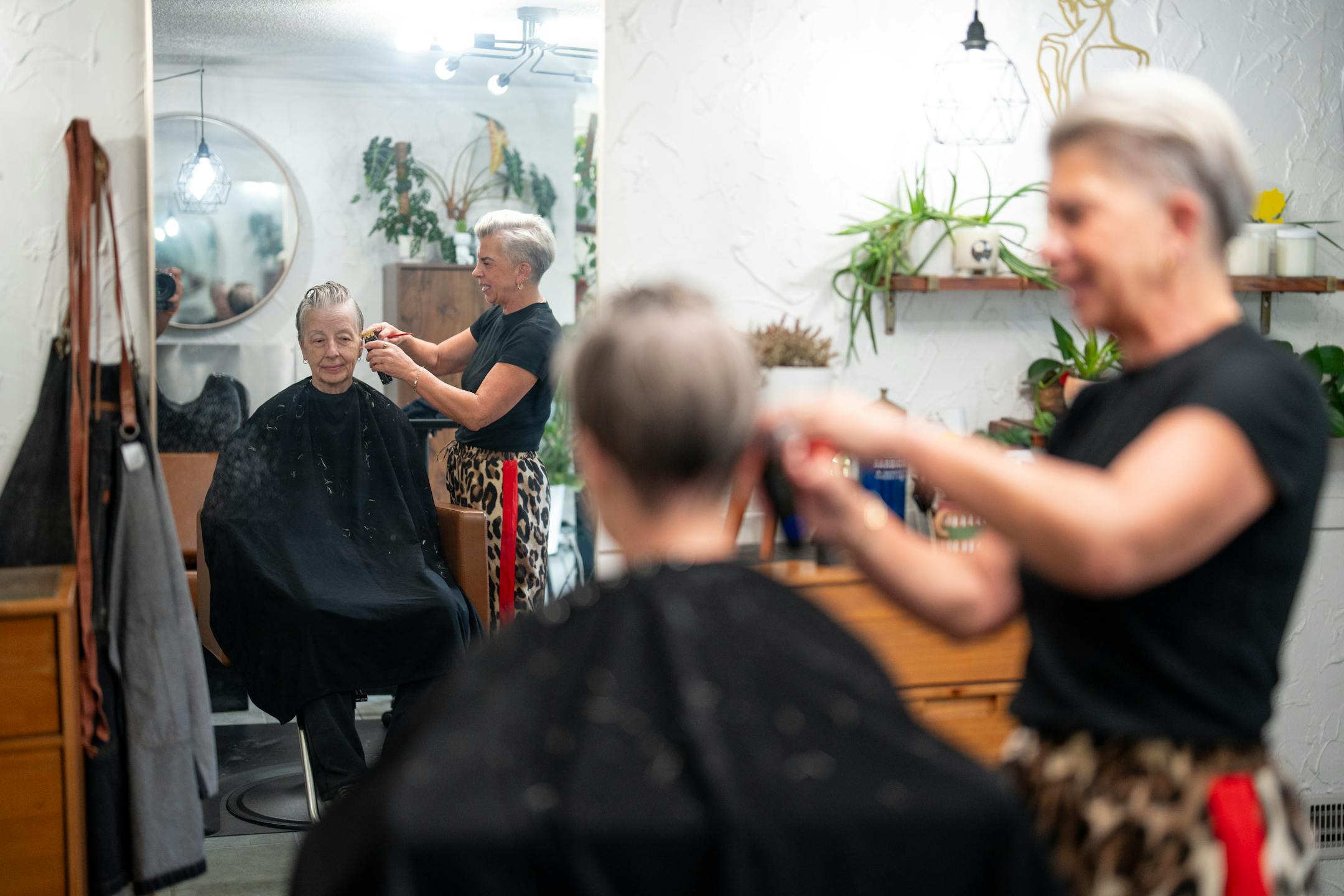
Mary Ann Gwost Hennen gets a haircut in September from her friend and stylist Deana Drews at Drews' Minneapolis salon. (Alex Kormann/The Minnesota Star Tribune)

Living with, not dying from

Her adult children — Joe, 34, and Jessie, 36 — stop by often. Joe said the outpouring after his mother’s diagnosis revealed the reach of her kindness — the neighbors and friends dropping off dinners, the social media messages, the shelves now lined with care packages.

She often says she is living with cancer, not dying from it. It grounds a mindset that guides how she spends her days.

Music, once her outlet, is harder now. Chemotherapy damaged her nerves, and she can no longer play piano for Mass. Sometimes she sits at the piano at Regions between infusions, playing for a few minutes.

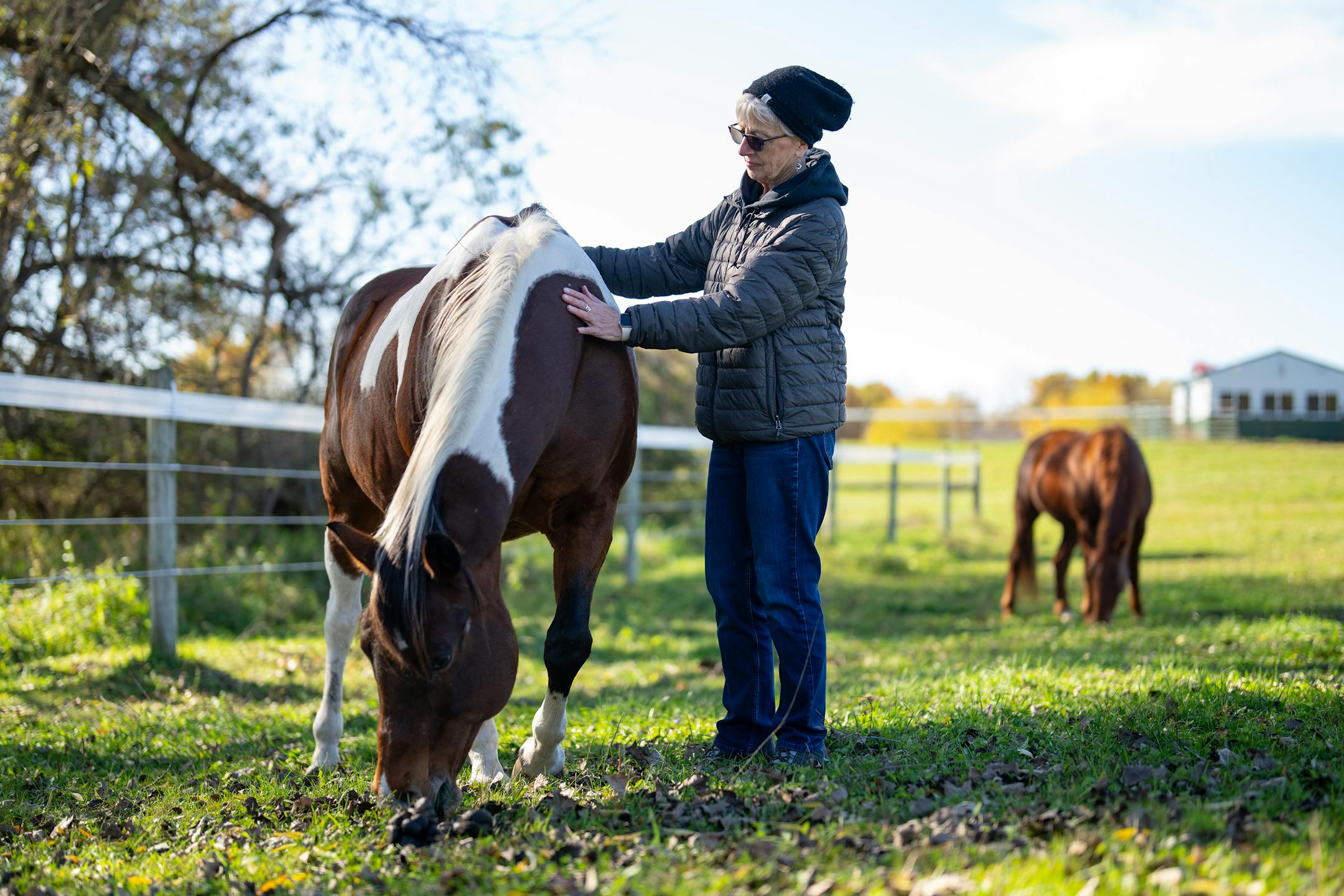
When she feels well enough, she volunteers on the board of Acres for Life Therapy and Wellness Center, a mental health program that uses horses in therapy. Acupuncture has also become a steady tool in her recovery.

Other days, she finds solace in her rose garden.

On Facebook, Hennen posts quarterly updates with photos of the roses — another chance, she says, “to be extroverted.” The roses remind her of her mother.

Jessie calls her mom “a problem solver who can’t solve this.”

Joe said watching his mother endure chemo has changed how he lives. He schedules the screenings he once put off. He slows down. Mostly, he said, he has learned not to take family for granted.

“Time with them,” he said, “is the most important thing in life.”

Mary Ann Gwost Hennen greets a horse at Forest Lake's Acres for Life Therapy and Wellness Center in October. Volunteering as a board member at the center has helped her cope with her cancer diagnosis and treatment. (Alex Kormann/The Minnesota Star Tribune)

A glimmer of hope

Pancreatic cancer research is evolving, doctors say, bringing cautious optimism to a field long defined by grim statistics. A new class of drugs targets a mutation called KRAS, long considered “undruggable.” Blood-based tests and AI-enhanced scans may soon help detect tumors earlier.

Last month, the Food and Drug Administration granted a new and unconventional accelerated review to a drug that targets KRAS mutations driving most pancreatic cancers — the same mutation found in Hennen’s. In an early trial, nearly a third of patients saw their tumors shrink.

Dr. Allyson Ocean of NewYork-Presbyterian Weill Cornell Medical Center said she hopes KRAS inhibitors will reach patients within the next year, pending FDA approval.

“I really think we’re on the brink of a very, very big treatment change in that we’re going to be able to offer treatments to people that will extend lives,” Ocean said.

Narang, the Johns Hopkins doctor, said he’s now seeing more patients live one, two, even three years after diagnosis, sometimes without surgery.

“I hope there’s a day when our chemotherapy and radiation treatments are strong enough to cure pancreatic cancer on their own,” Narang said. “That’s why we need to keep improving and investing in better treatments.”

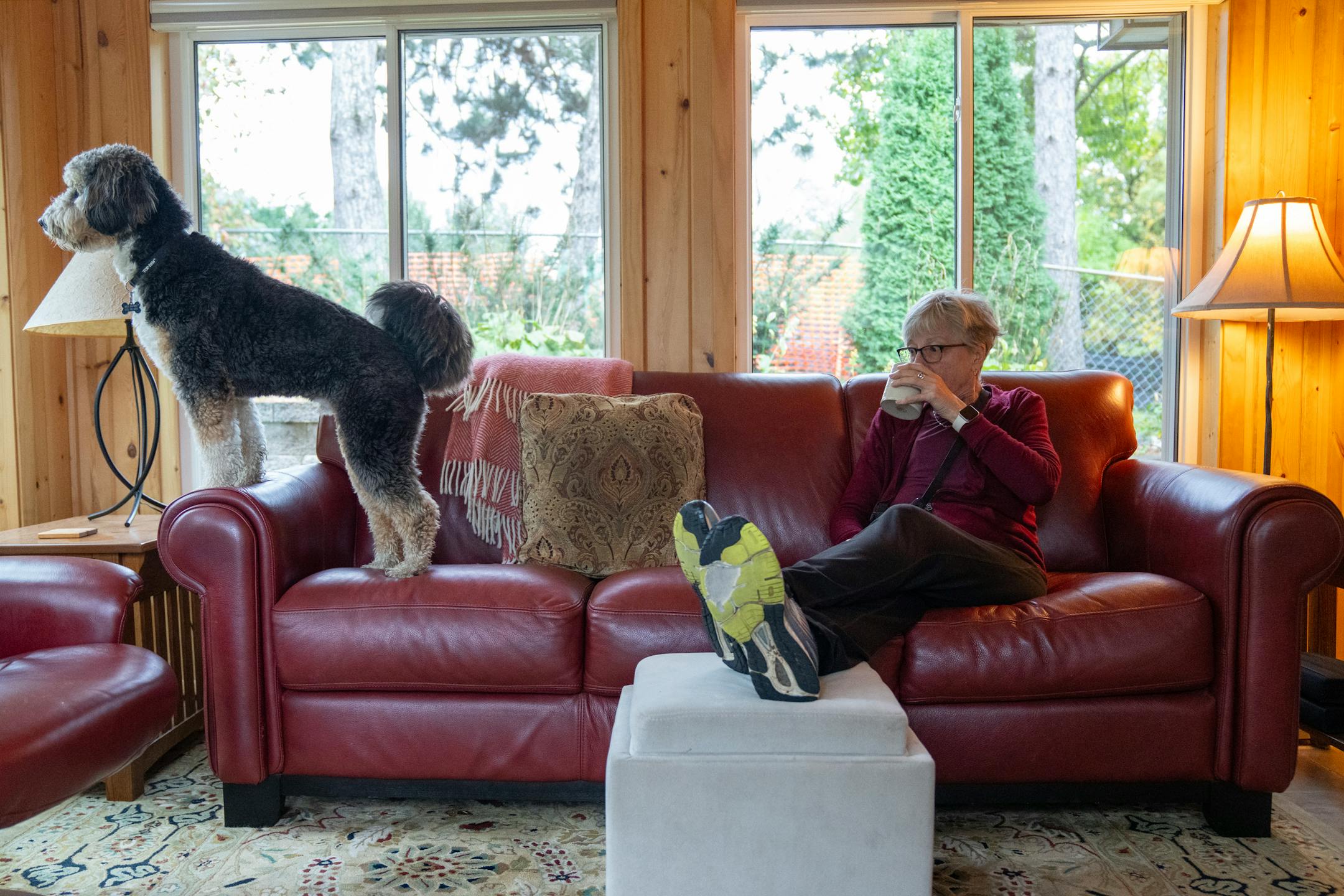
Mary Ann Gwost Hennen at home in Shoreview with Murphy, her Aussiedoodle. (Alex Kormann/The Minnesota Star Tribune)

Holding on for what comes next

For now, patients like Hennen live in the in-between.

Sunlight spills across the couch where Hennen sits with Murphy, the dog who rarely leaves her side. They brought him home two months before her diagnosis. Her bad weeks feel like the flu. On good weeks, she walks Murphy, weeds the garden, plans small trips.

“Our everyday life is chemo week and catch-up from chemo week,” she said. “And plan for the next chemo week.”

There are more weeds in her rose garden now. More dust on the furniture. The arbor John built two years ago still sits unstained in the backyard.

“I make big plans three months out or six months out,” she said. “But I don’t plan much beyond that.”

Hennen doesn’t want to die. She doesn’t want to miss out. She thinks about the road trips still to take and, someday, the chance to hold her grandchildren.

Her projects — digitizing photos and videos, tracing her family history, cleaning out closets, even planning her funeral — are her way of making things simpler for her children when the time comes.

She keeps looking forward, even if only a little at a time. She tracks new clinical trials and prints out those that might apply to her case, bringing them to her appointments. She’s cautious — she doesn’t want to be an early test subject — but the growing number gives her reason to hope.

She and John haven’t written her obituary yet.

“The goal,” Hennen said, “is to stay healthy enough until the next thing comes out.”

about the writer

about the writer

Emmy Martin

Business Intern

Emmy Martin is a business intern at the Minnesota Star Tribune.

See Moreicon

More from Business

See More
card image
Jeremy Olson/The Minnesota Star Tribune

Triage unit treats many children without ever taking them into the actual ER, freeing up time for the rest of the emergency medical staff.

card image
card image