

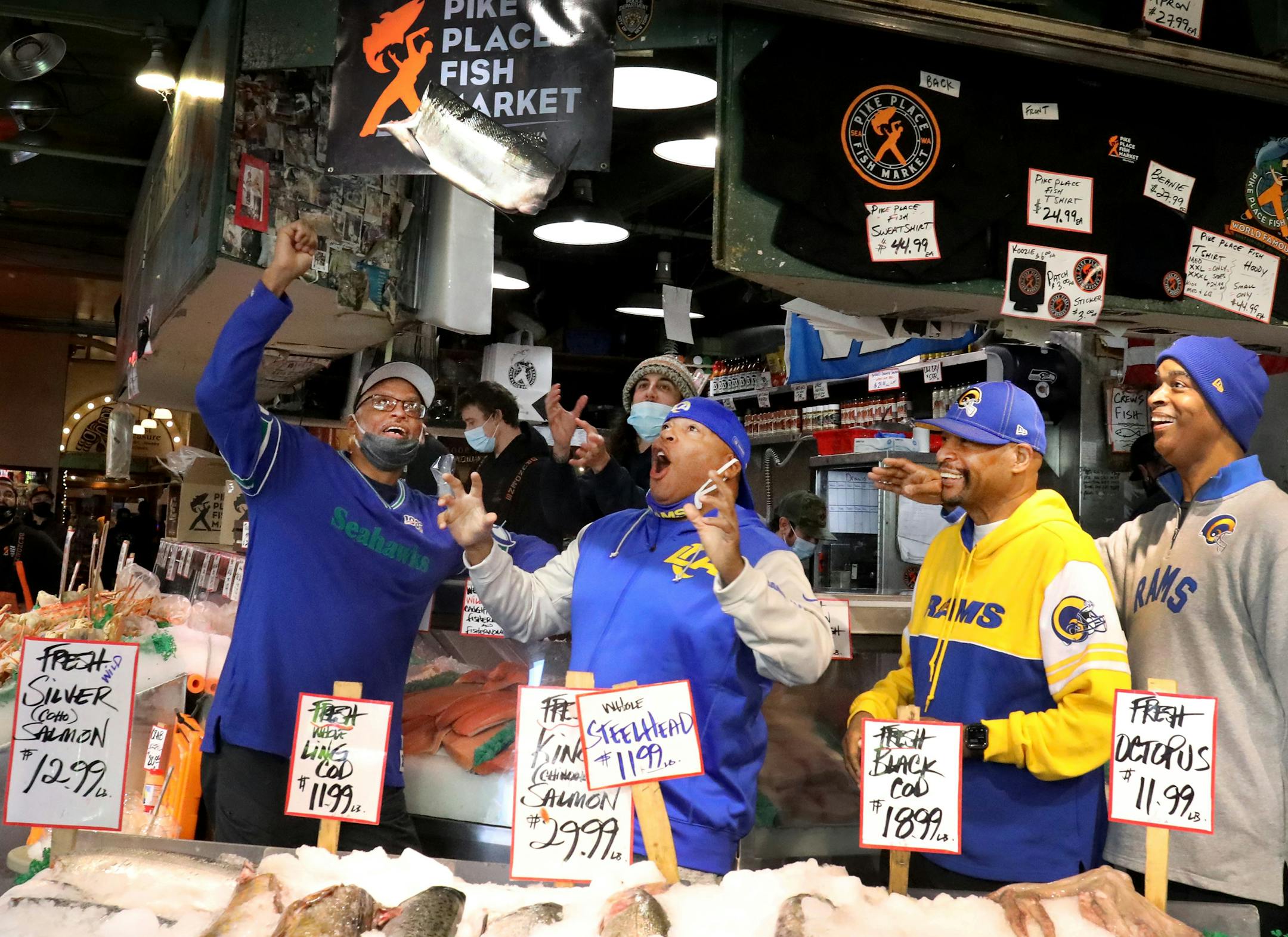
Like many vendors at Pike Place Market in Seattle, Scott Chang isn't sure when business will resume its pre-COVID normal.
True, this summer brought welcome crowds of tourists and locals to the open-air Seattle landmark. Sales at See Lee Gardens, the flower business owned by Chang's family, are nearly back where they were before the pandemic shuttered the market's picturesque warren of stalls and shops.
But there's another, more somber reason for See Lee's rebound: Several competing flower vendors haven't come back to the market, or are only there a few days a week. They now sell at other outlets that don't require the long commute into downtown Seattle.
Even Chang, for the first time, is selling some of his flowers elsewhere, partly as a hedge against future COVID-related disruptions.
"We're never going to quit Pike Place," says Chang, 36, of the place that has hosted his family business since the 1980s. But the pandemic "was a big eye-opener that we have to look for other venues."
Fifty years after Pike Place Market was nearly razed in the name of progress, the sprawling institution faces another, even more complex nemesis.
Although many of the market's more than 500 businesses saw solid sales this summer, visitor numbers are still below their 2019 levels. Many vendors and farmers are still on reduced hours, and dozens haven't returned or are squarely on the fence about coming back.
Though most of the market's 222 restaurants, shops and other brick-and-mortar tenants are back, just 69 of 96 farmers and 147 of 186 crafters had returned as of Oct. 6, market officials said. All told, the market's business community is still down by around 15% from 2019.


