

Opinion editor's note: Editorials represent the opinions of the Star Tribune Editorial Board, which operates independently from the newsroom.
•••
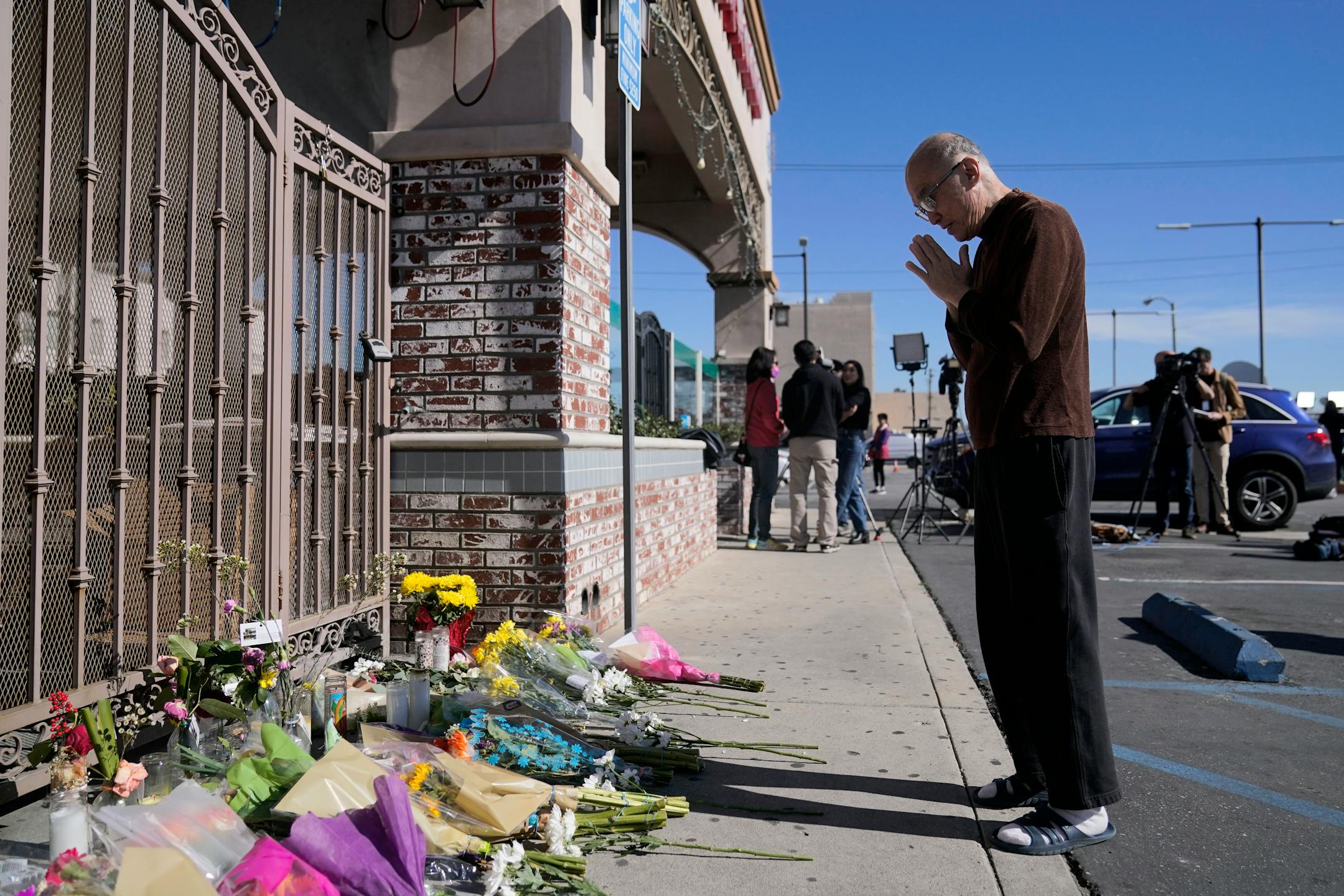
It's happened again. This time, what should have been a joyous celebration of the Lunar New Year, a cultural holiday celebrated by many Asian communities, was shattered in Monterey Park, a predominantly Asian suburb of Los Angeles. Ten people out to enjoy Saturday's festivities were killed that night and 10 were wounded when a gunman opened fire at a dance club catering to older people. One of those injured in the attack died Monday.
Having shot up one dance club, the gunman 20 minutes later traveled to a second in the nearby suburb of Alhambra. Fortunately, a brave, unarmed employee of that club — unaware of the Monterey Park shooting — managed to disarm him, preventing even more bloodshed. The shooter later took his own life.
The gunman was 72, making him one of the oldest mass shooters on record. There no longer seems to be a typical profile of a mass shooter. They can come from any race, ethnicity or age group and can strike anywhere. No place has proved immune, not churches, schools, grocery stores, parades or just seniors out for a night of dancing.
The dead and wounded in the Monterey Park shooting represent a tragic and senseless loss and disruption of life, one in a long, long list of incidents that, just like terroristic attacks, continue to eat away at ordinary civic life, from its most mundane events to its celebrations.
And as horrific as this shooting was, that's not even where this weekend's carnage ended.
A nightclub in the Louisiana city of Baton Rouge was shot up early Sunday and a dozen people were wounded in what police called a "targeted attack." The fact that police believe this was not a random act of violence is cold comfort to the victims and traumatized bystanders.


