Next-generation wireless technology took another step forward Thursday as the first smartphone with built-in 5G technology arrived in stores — and Minneapolis was one of the few places to test it out.
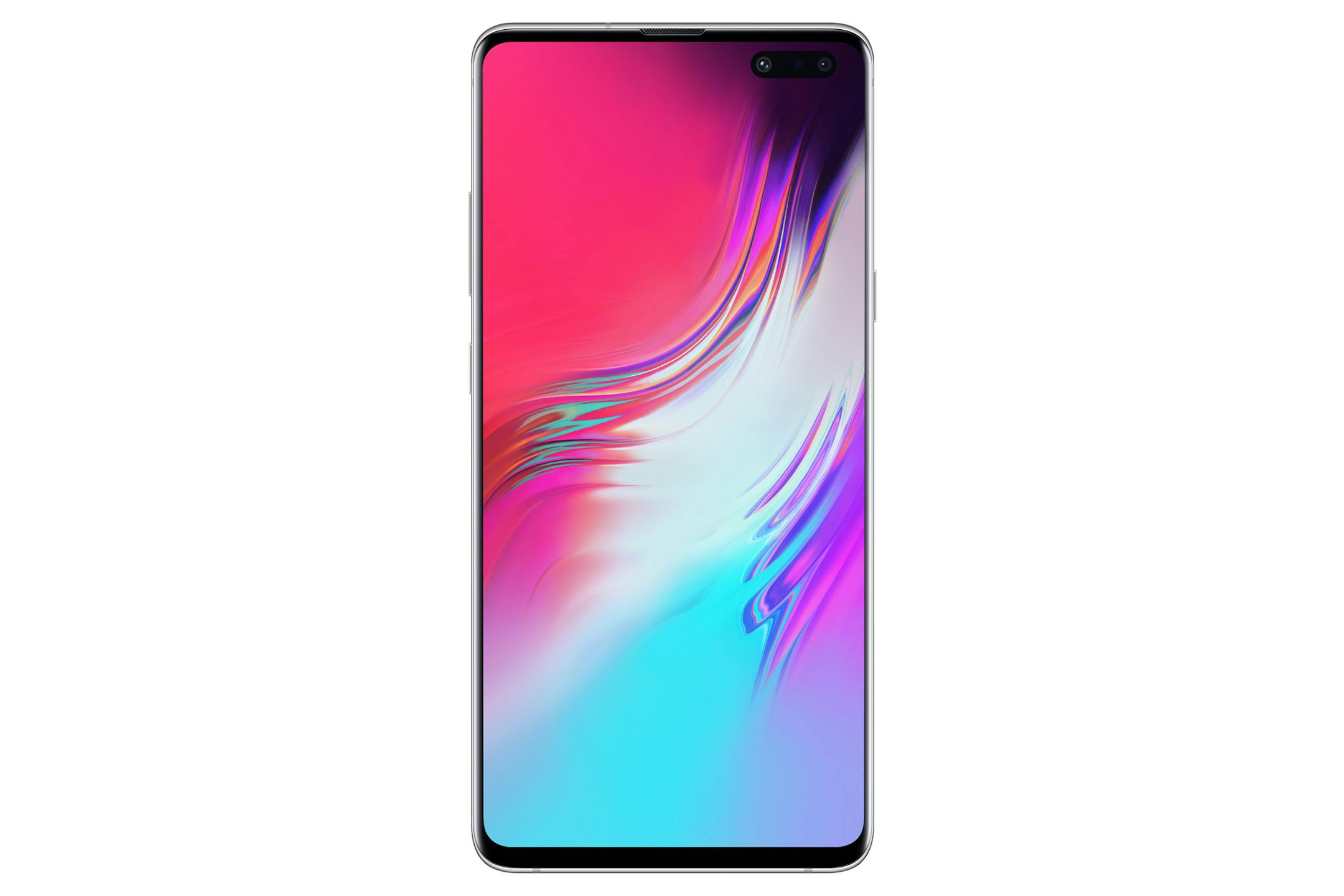
Samsung Electronics Co. introduced its model S10 5G around the U.S. But for the moment, the phone, which has a base price of $1,299, can achieve 5G speeds only in Minneapolis and Chicago.
Verizon Communications Inc. turned on 5G cell sites in portions of the two cities in April. In Minneapolis, Verizon's 5G footprint covers almost all of downtown.
The two companies allowed journalists in both Minneapolis and Chicago to test out the phone. A handful gathered Thursday morning in the Commons Park, then toured U.S. Bank Stadium and were free to walk around downtown with the phones for several hours.
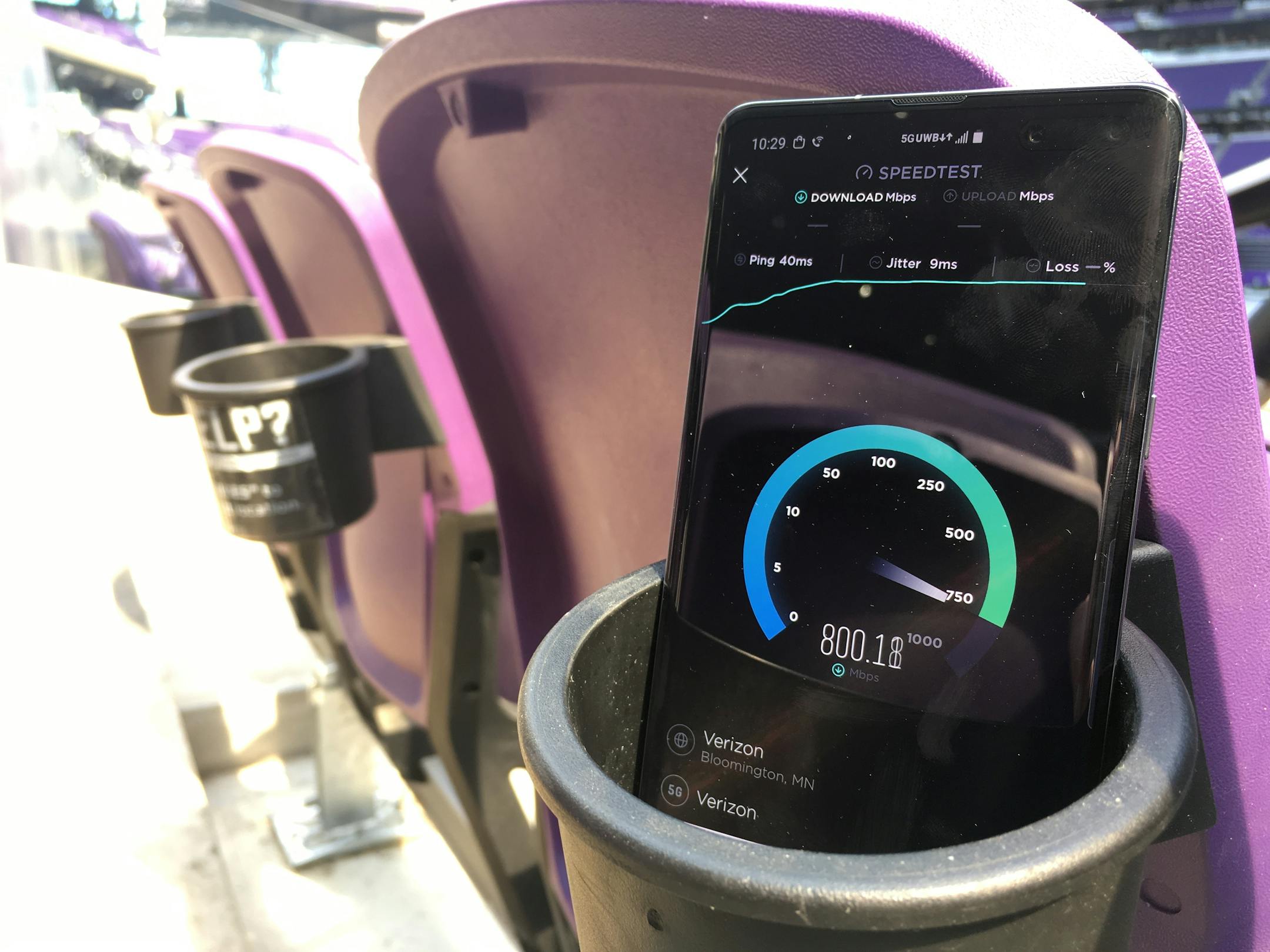
In many parts of downtown, the 5G phone's download speeds frequently surpassed 1 gigabit per second, or 1,000 megabits. By contrast, download speeds on Verizon's 4G network, which blankets Minnesota, moves data at about 60 megabits per second. For the moment, Verizon's 5G network relies on its 4G system for data uploads.
In the Commons Park, a 48-minute TV program on Netflix downloaded into the phone in just nine seconds. At that pace, an entire season of TV shows would take about three to four minutes to download for watching when the phone wasn't connected to a network.
But the promise of 5G speeds go beyond consumer convenience. Developers will create new uses for mobile data that just aren't possible at lower speeds.
As always with the rollout of new network technology, phone manufacturers and wireless carriers are in a chicken-and-egg situation. The phone manufacturers won't be able to sell many 5G phones unless consumers can access higher-speed networks, and carriers need consumers with upgraded phones to justify the build-out of higher-speed networks.