

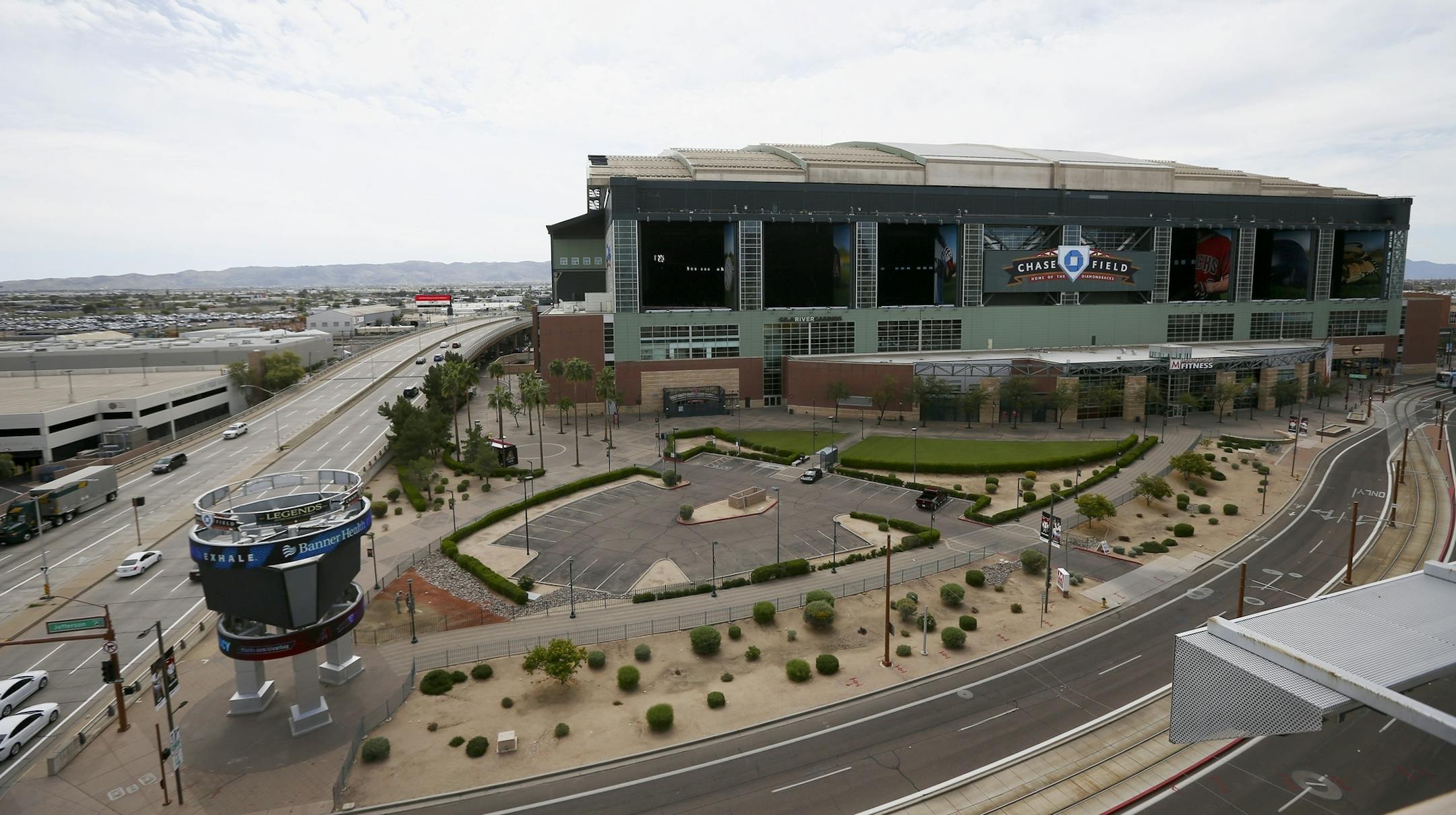
The Twins were scheduled to play in Arizona for the first time since 2011 this July. Maybe they will after all.
Only 12 Twins games have been postponed by the coronavirus pandemic thus far, but it's clear the other 150 already are in serious jeopardy, which is why Major League Baseball and its players union are brainstorming some long-shot options for salvaging the 2020 season. Chief among them: Sequester all 30 teams in the Phoenix area, play as many games as possible in front of TV cameras but no fans, and avoid ditching an entire season while recouping at least a chunk of the sport's visibility, revenue and paychecks.
Outlines of such a plan were discussed Monday during a conference call between representatives of MLB and the players association, the Associated Press reported. In a statement issued Tuesday after word of the talks leaked, MLB acknowledged "considering" the idea but said "we have not settled on that option or developed a detailed plan."
The simple brick-and-mortar logistics of the idea make some sense. There are 10 spring training stadiums within a 50-mile radius in Arizona, Division I universities Grand Canyon and Arizona State play in upper-tier facilities, and Chase Field in downtown Phoenix is the domed home of the Arizona Diamondbacks.
And starting their season while other professional sports remain idled — opening abbreviated training camps as early as late May has been suggested — would give the sport a kick-start toward recouping some of the billions of television dollars lost to the pandemic.
But the notion also faces significant hurdles, starting with the support of the players. Their union has not yet polled its membership about the idea, and while players overwhelmingly are eager to play ball once it's safe, the necessity of keeping them isolated from the general public and perhaps their own families for several months might cause them to reject the plan.
Arizona is infected with the virus just like the rest of the U.S. — there were 2,456 confirmed cases of coronavirus in Arizona as of Tuesday, according to the Centers for Disease Control and Prevention, and 73 deaths, both numbers more than twice Minnesota's — so the plan calls for players to live in a semi-quarantine arrangement, limited mostly to ballparks and team hotels. Regular testing to identify and contain any outbreak among players and coaches would be necessary, something that is not yet available nationally. Carrying more than 26 players on the roster would be necessary in case of injury, especially since no minor leagues would be playing.
Maintaining and preparing fields, producing telecasts, umpiring games and tending to the normal medical requirements of each team would also require staffs of more than 250 people, further opening players and coaching staffs to the potential of infection. Even without fans, that's a significant number of people who presumably would need to be tested before coming into contact with players.


