

Opinion editor’s note: Strib Voices publishes a mix of guest commentaries online and in print each day. To contribute, click here.
•••
The current administration is promoting a variety of alternative preventive health policies under the name of Make America Healthy Again (MAHA). While the encouragement of vaccine hesitancy and the rollback of vaccine recommendations that threaten the health of American children have generated considerable press, we have a concern with MAHA that has received little attention: It fails to address the leading cause of death among American youths — access to firearms.
In 2020, firearm injury became the leading cause of death for American children and adolescents, and suicides have been rising in this age group since 2007. By 2021, firearms were involved in half of all child suicides.
The recent tragic mass shooting of young children at Annunciation Church in Minneapolis is a grim reminder of this deadly problem. However, while school shootings dominate headlines, they account for only 2% of all child firearm deaths. The greater danger is in homes: Half of all gun-related deaths among children and adolescents occur in a home; and when a mass shooting involves children, a parent or relative is the shooter in more than half of events.
Given that gun rights advocacy is also a priority for the current administration, we are not optimistic that gun safety policies will be included among MAHA proposals. Even so, parents and caregivers have the power to create a safe zone for their children by normalizing one simple question: Are the firearms in your home stored securely? This question should be as routine as asking about seat belts before a car ride, allergies before a playdate or lifeguards at a pool party. If the answer is “yes,” the firearms are securely stored — or there are no firearms, the children are safe and the playdate proceeds as planned. But if firearms are present and not stored securely, the venue would be changed. Second Amendment rights are never broached.
Parents need to ask. Despite physician concern and the recommendations of the American Academy of Pediatrics and other organizations, competing demands on physicians’ attention, like lengthy vaccine discussions, make it difficult for physicians to discuss gun safety. For parents who want guidance on how to approach what many consider a sensitive topic, talking points and scripts are available (for example, from besmartforkids.org).
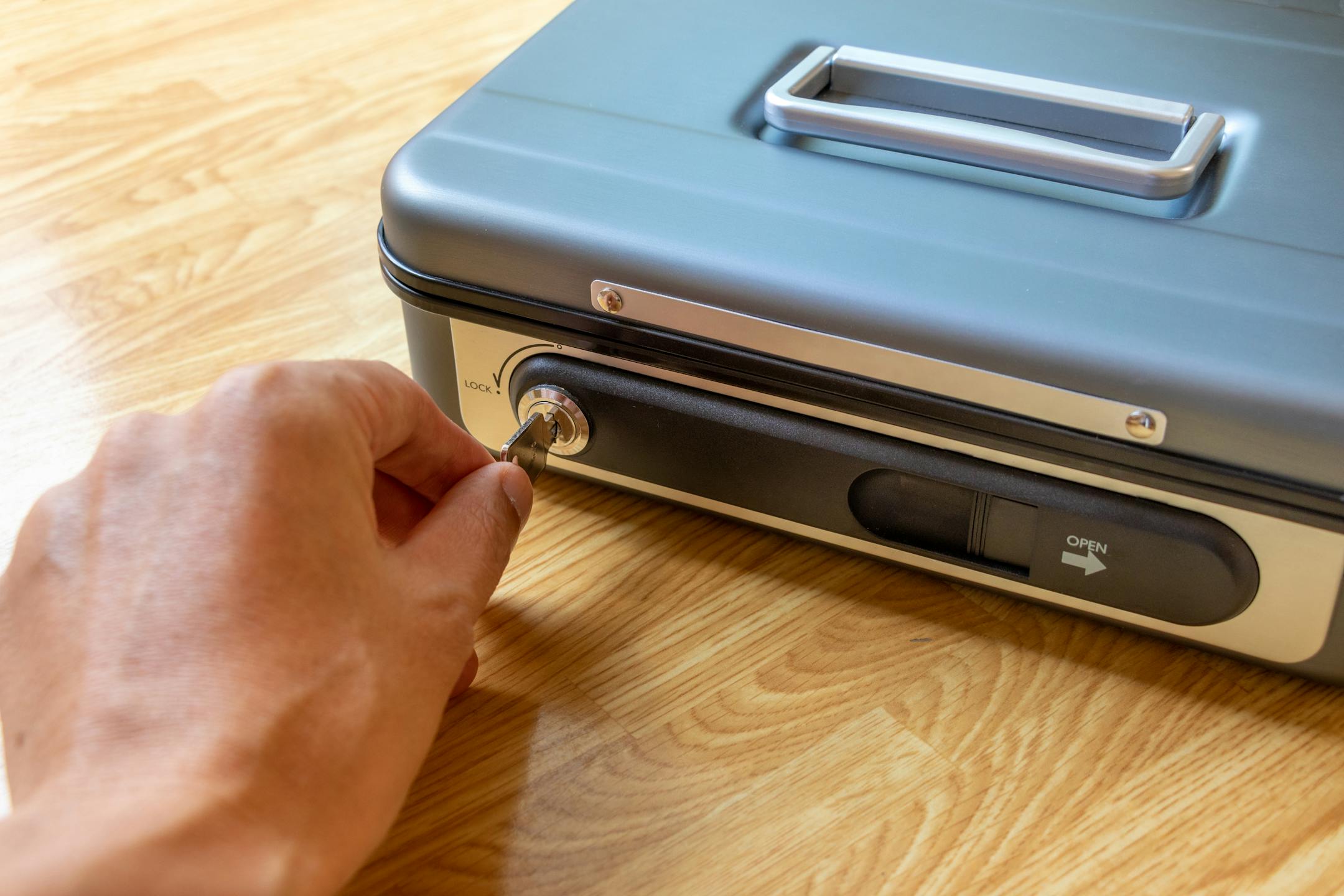
Secure firearm storage doesn’t just keep children safe — it also protects gun owners. A locked firearm is less likely to be stolen and cannot be accidentally or intentionally discharged by an unauthorized person. It ensures that the firearm is always where intended — ready if needed but never in the hands of a child.


