
Counterpoint | In some ways, guns are more deadly in rural Minnesota

There’s one under-discussed use of firearms that’s more prevalent in rural areas: self-harm.

September 14, 2025 at 9:00PM
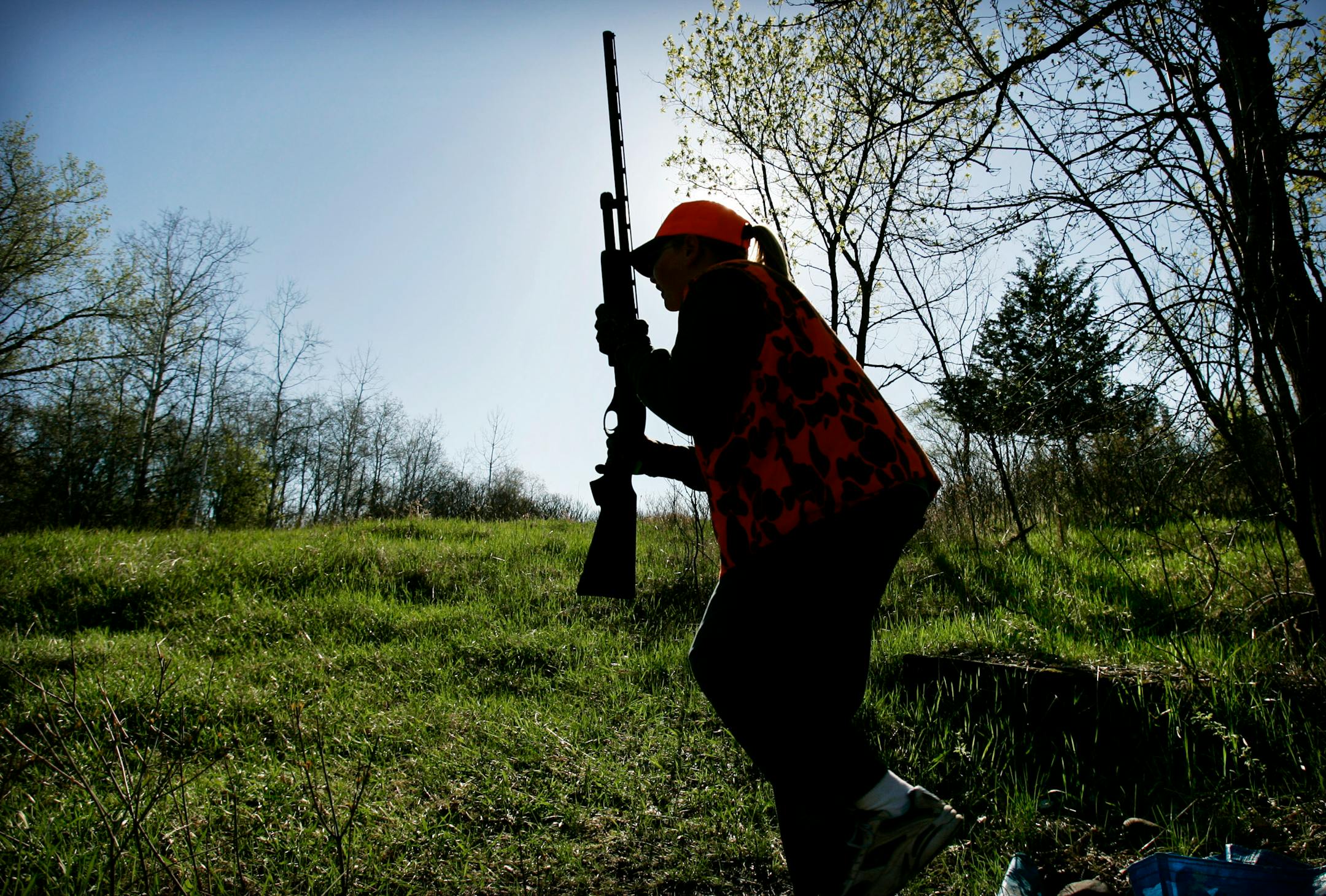
"The age-adjusted firearm suicide rate among residents of Minnesota’s most rural counties is more than twice that of residents of the most urban counties." Rich Cowles writes. (Ramin Rahimian/The Minnesota Star Tribune)

Opinion editor’s note: Strib Voices publishes a mix of guest commentaries online and in print each day. To contribute, click here.

•••

I appreciated Karen Tolkkinen’s good-faith effort to bridge the divide between rural and urban attitudes toward guns (“Shooting sounds different in rural Minnesota than in the city,” Sept. 2), especially the insights from “Karen’s Laboratory of Observational Studies.”

She acknowledges that “gunfire in a rural area could mean trouble; we have domestic violence and angry, scared people just like any other place.” But that’s not usually the case, she says. “Shooting is a pastime for many, so we who live here tend to feel differently about guns than do people who live in cities.”

There’s one use of guns that spells trouble, however, that’s much more prevalent in rural than urban areas, and should be an important part of gun policy discussion: self-harm.

While only 22% of Minnesota victims of murder by gun live in greater Minnesota, 59% of suicides by gun are committed by greater Minnesota residents. In fact, the age-adjusted firearm suicide rate among residents of Minnesota’s most rural counties is more than twice that of residents of the most urban counties. This is significant, because 72% of gun deaths in Minnesota are from suicides (from Protect Minnesota’s “Lethal gun violence in Minnesota, 2024,” using Minnesota Department of Health data).

The means of suicide attempts are critical — approximately 90% of suicide attempts by firearm are lethal, whereas all other means have a much lower lethality, per a 2018 American Public Health Association review of nearly 100 studies.

You may believe, as I once did, that if a person intends to commit suicide, they’ll follow through — whether by gun or otherwise. But the data show the opposite. The analysis determined that 90% of people who survived a suicide attempt did not commit suicide later.

”Their choice of method (gun) does not leave room for a change of heart later, whereas other methods do, and we see the change of heart in the literature on those who survive suicide attempts,” the report states.

But nearly all who use a gun never get a second chance at life.

Further evidence that lethality of means matters: The CDC reported in 2019 that in the U.S. only one in 20 suicide attempts is fatal. That same year the Annals of Internal Medicine put the number at one in 12. In any case, it underscores the importance of whether or not guns are used.

Adding to the danger in areas where guns are a way of life is that suicide attempts are usually impulsive acts — even if the person has been thinking about suicide and planning it for a long time (Harvard Injury Control Center’s Means Matter: Duration of Suicidal Crises, 2012).

“Gun owners aren’t more likely to be suicidal,” explains Cathy Barber, a senior researcher at the Harvard Injury Control Research Center and founding director of Means Matter, which has developed partnerships with gun owner groups to prevent suicide. But if gun owners become suicidal, “They’re more likely to die.”

In fact, according to a 12-year Stanford University study completed in 2020, men who owned handguns were eight times more likely than men who didn’t to die of self-inflicted gunshot wounds. Women who owned handguns were more than 35 times more likely than women who didn’t to kill themselves with a gun.

The study’s lead author, David Studdert, professor of medicine at Stanford Health Policy, said, ”Our findings confirm what virtually every study that has investigated this question over the last 30 years has concluded: Ready access to a gun is a major risk factor for suicide.”

Thus, both urban and rural individuals and communities suffer from the fact that guns are handy — often loaded and ready for action. In urban areas, too often they’re used impulsively to solve a dispute. In rural areas, too often they’re used impulsively to end one’s life. Forget the rural/urban divide, all of Minnesota ought to be in common cause working to solve the deadly problem of unsecured guns.

Rich Cowles, of Eagan, volunteers for various gun safety groups.

about the writer

about the writer

Rich Cowles

More from Commentaries

See More
card image
Jacquelyn Martin/The Associated Press

From immigrant communities to women and journalists of color, the voices most often marginalized are now among the most openly threatened.

Left, U.S. Rep. Tom Emmer. Right, Minnesota House Speaker Lisa Demuth.
card image