
Tolkkinen: Shooting sounds different in rural Minnesota than in the city

When talking gun control, it helps to understand the other side.

Columnist Icon
The Minnesota Star Tribune
September 2, 2025 at 11:00AM
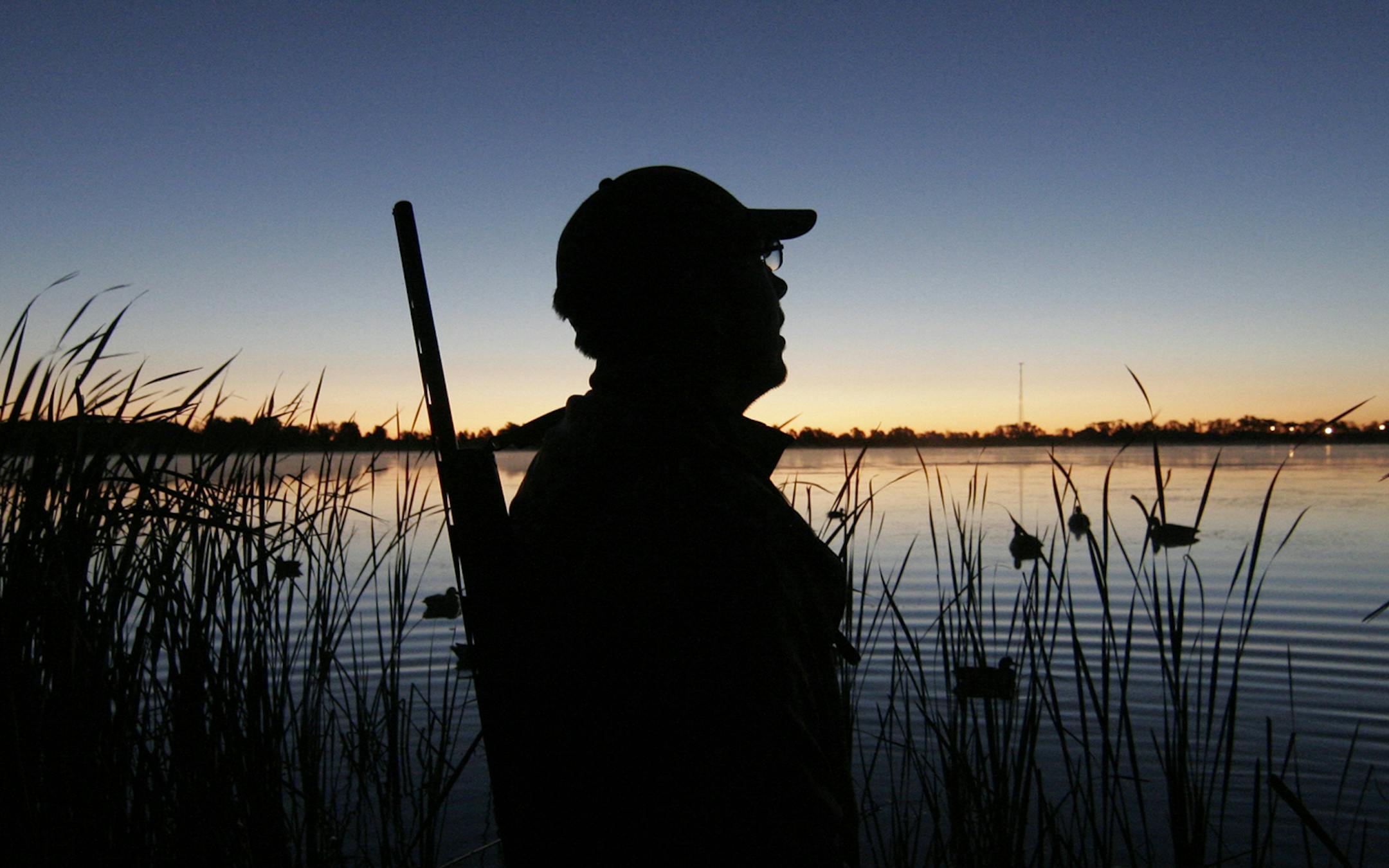
More duck hunters went afield in 2013 than the year before, continuing a a recent trend. We won't know how hunters did this season until surveys are tallied next year. ORG XMIT: MIN1308011625425523 ORG XMIT: MIN1312231233393463
This issue of gun control has the potential to deepen the state’s political divisions and the rural-urban divide. (The Minnesota Star Tribune)

CLITHERALL, MINN. - When I stepped outside to let our dog out this morning, I could hear it.

From the far south pasture came the sharp percussion of guns being fired. Willa looked up, alert, staring toward the noise. I watched to make sure she didn’t run toward it, and when she settled down, I went back into the house.

I knew who was shooting. My husband and 12-year-old son, target practicing against a hill, which serves as a backstop for the bullets.

Around here, occasional gunshots are a part of life. It could be neighbors getting ready for hunting season or shooting a sick raccoon. Sometimes you have to put down an injured animal. This morning, my husband wanted to spend time with our son at the end of a busy summer. They went fishing and then spent half an hour target shooting.

Gunfire sounds different here than it does in the Twin Cities. I thought about that while listening to them firing .22s in the distance, and about the incongruity of what firearm culture means in rural areas versus urban.

Gunfire in a city means trouble; people are spaced too closely together for weapons to be used safely outside designated areas, so when you hear even one shot, you know someone could well be dead or injured. The sound of gunfire on Wednesday brought neighbors of Annunciation Church in Minneapolis out of their houses in alarm; the sound heralded grief and loss. It announced years of trauma to come for many children and families.

Gunfire in a rural area could mean trouble; we have domestic violence and angry, scared people just like any other place. But typically, it doesn’t. Shooting is a pastime for many, so we who live here tend to feel differently about guns than do people who live in cities.

Some DFL members are calling for a ban on guns that shoot really fast and can carry a lot of bullets. These guns are often called “assault rifles,” although that’s an imprecise, politically loaded term. They don’t shoot as fast as a machine gun, but they are faster than a typical hunting rifle, and the Annunciation shooter had two of them, plus a shotgun.

In fact, the shooter had expressed surprise about how easy it was to get the guns.

This issue of gun control has the potential to deepen the state’s political divisions and the rural-urban divide. It’s also questionable whether it has enough support to get through a divided Legislature. Any action needs buy-in from both sides, and the first step to winning over rural voters is to acknowledge that guns have legitimate uses.

When people start talking about gun control or gun violence, many rural residents immediately retreat to their understanding of firearms, only a small part of which involves potential violence. Urban residents, meanwhile, retreat to their own understanding, most of which involves threat.

In addition, we in rural areas tend to see society as made up of individuals; we don’t understand why Harry should bear responsibility for Joe’s crime. Urban dwellers are more likely to think in terms of the group; with fewer guns available, there’ll be less opportunity for Joe to commit the crime. This observation comes from Karen’s Laboratory of Observational Studies, so take it with a grain of salt, but it feels true.

I used to own a semi-automatic pistol and vote for whichever candidate seemed stronger on the Second Amendment.

But lately I’ve been ping-ponging back and forth about that 234-year-old amendment composed in the time of muskets.

If its authors were able to foresee the rise of semi-automatic weapons and mass shootings, I can’t imagine they would word it the same way. There is certainly nothing “well-regulated” about the ability of evil or impulsive or unhinged people to obtain deadly weapons.

It’s also important to remember that a ban on certain guns won’t erase other threats. Cars can be used to plow into crowds; in January, a man killed 14 people driving into a crowd in New Orleans. Let’s not forget Timothy McVeigh and his fertilizer-packed rental truck. Impaired driving causes many of the 40,000 deaths from car wrecks each year in the U.S., nearly as many as firearms deaths. In banning certain kinds of firearms, we might open the door to other kinds of mass violence.

By the way, do we really need to say “gun violence?” Can’t we just say “deadly violence?” Guns are for many people a useful tool or hobby, and conflating them with violence is bound to drive division. In focusing on guns, we may be neglecting a vital component of what causes shooters to turn on society. I don’t know what that component is, but maybe it’s a reflection of how we treat each other.

This is a complex topic that would benefit from everyone listening to the other side.

Let me close with an argument that might anger some gun enthusiasts. Hunters already follow state and federal firearms restrictions. Is it not true that when hunting waterfowl, you can’t possess a gun that holds more than three shells? I don’t hear much outrage over those limits. Why do we allow limits while hunting but not to protect our kids?

about the writer

about the writer

Karen Tolkkinen

Columnist

Karen Tolkkinen is a columnist for the Minnesota Star Tribune, focused on the issues and people of greater Minnesota.

See Moreicon