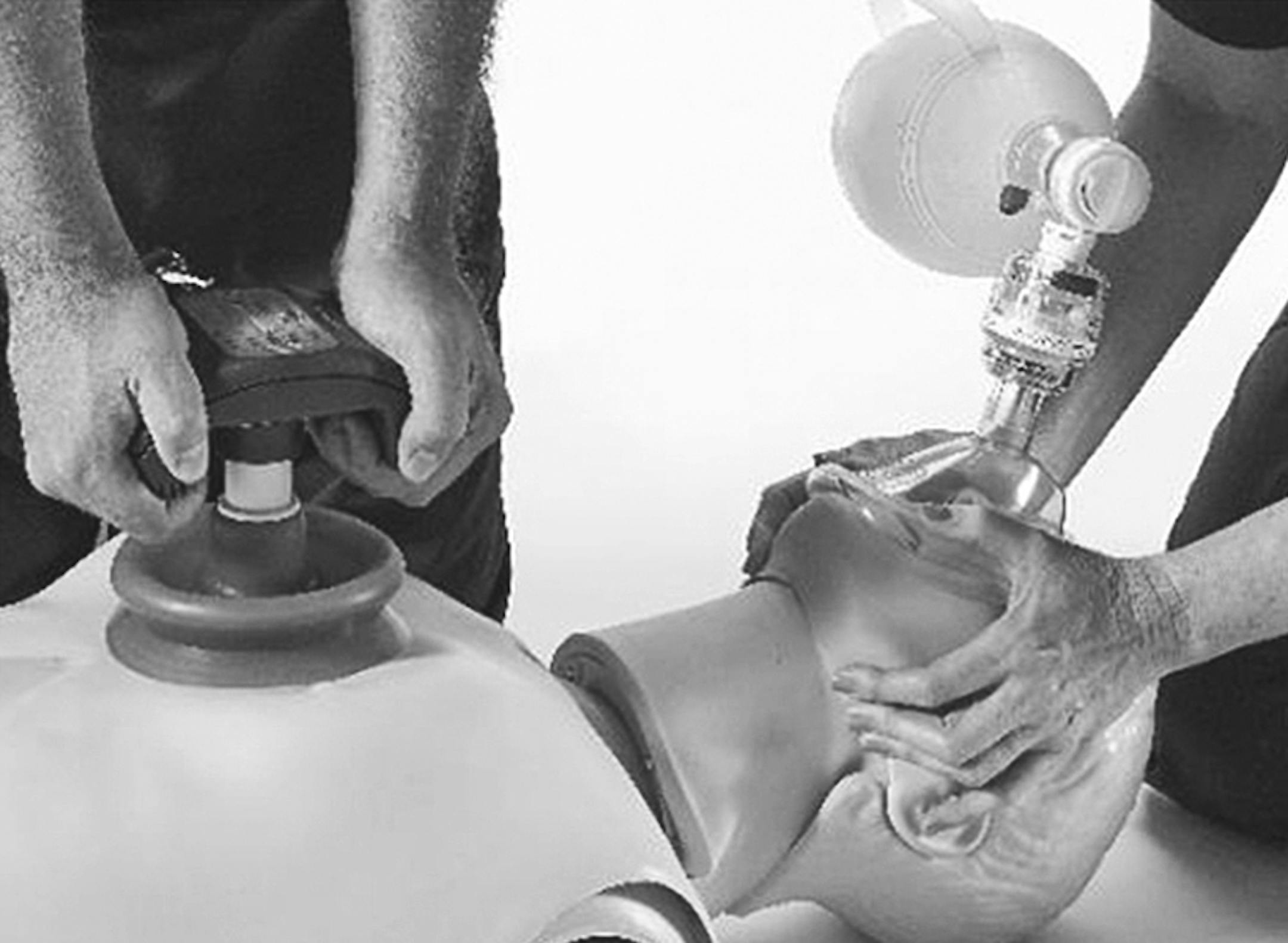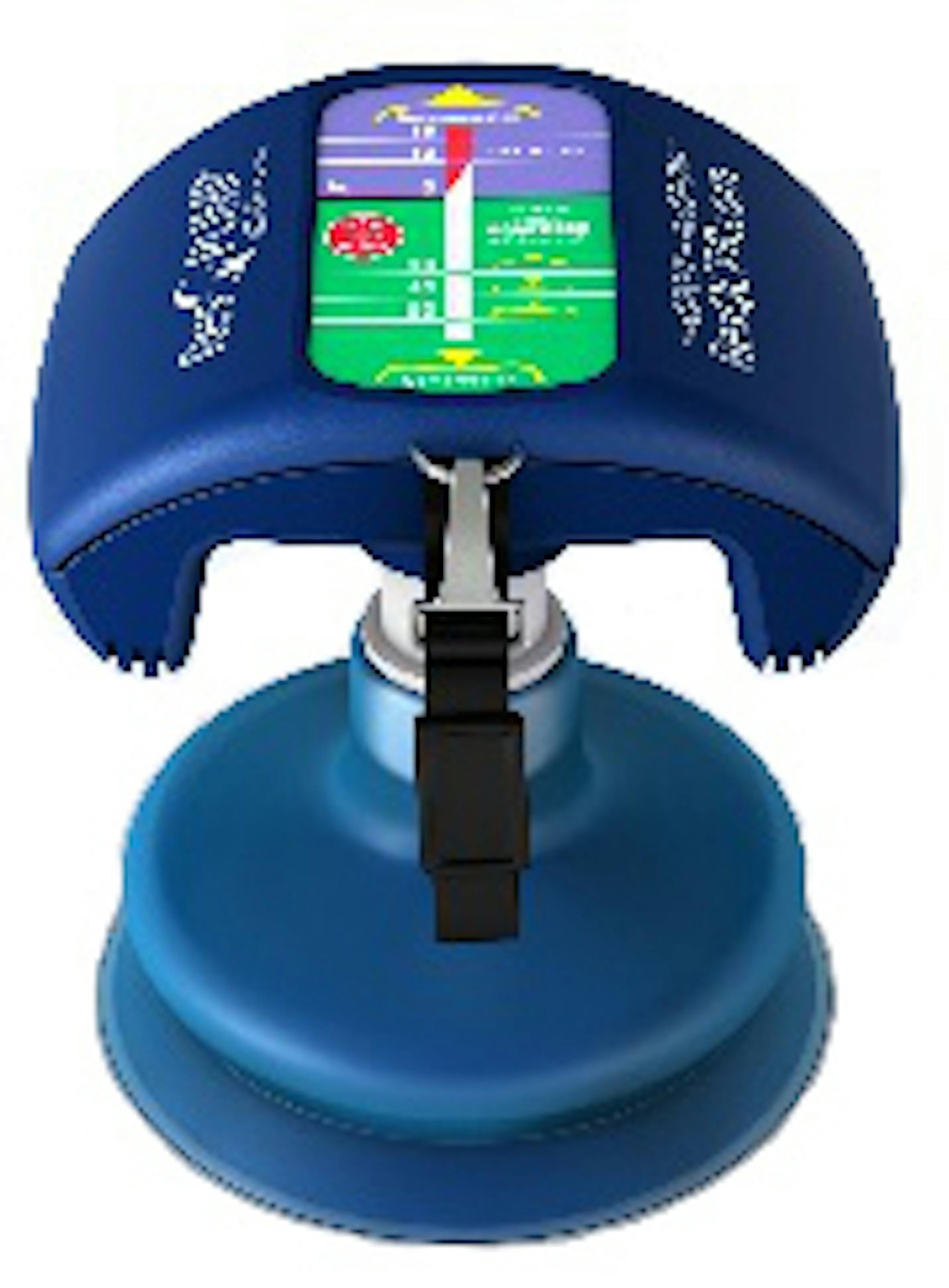
A novel device developed in Minnesota to dramatically improve heart-attack patients' survival rates has been approved for sale in the United States after 20 years of work.
The Food and Drug Administration on Monday announced full approval for Roseville-based Advanced Circulatory Systems' ResQCPR System, which is used by paramedics and first responders to give more effective cardiopulmonary resuscitation (CPR) on patients whose hearts stop beating.
More than 800,000 people in North America and Europe have sudden cardiac arrest outside of the hospital, and on average only about 5 percent survive the experience, according to a 2011 article by the Lancet on CPR.
Federally sponsored research on the ResQ system found that patients whose hearts stopped outside the hospital had a better chance of surviving for a year with good neurological function if they were treated with the device in the field.
All told, 8.8 percent of patients survived using the device, compared with a control group using traditional CPR that had a one-year survival rate with neurological function of 5.9 percent.
That's an improvement in survival of about 50 percent, applicable to a population of many thousands of heart-attack sufferers. Despite its lifesaving potential, the device had a four-year approval process with the FDA partly because it's a first-of-its-kind invention.
"There's never been anything like this previously," said Dr. Keith Lurie, an electrophysiologist and inventor who founded Advanced Circulatory Systems to research and commercialize devices based on the principle of intrathoracic pressure regulation (IPR).
"One of the reasons it took so long," Lurie said, "is because all of the people involved in making the decision wanted to make sure that the data were real and it was the right decision to make."