

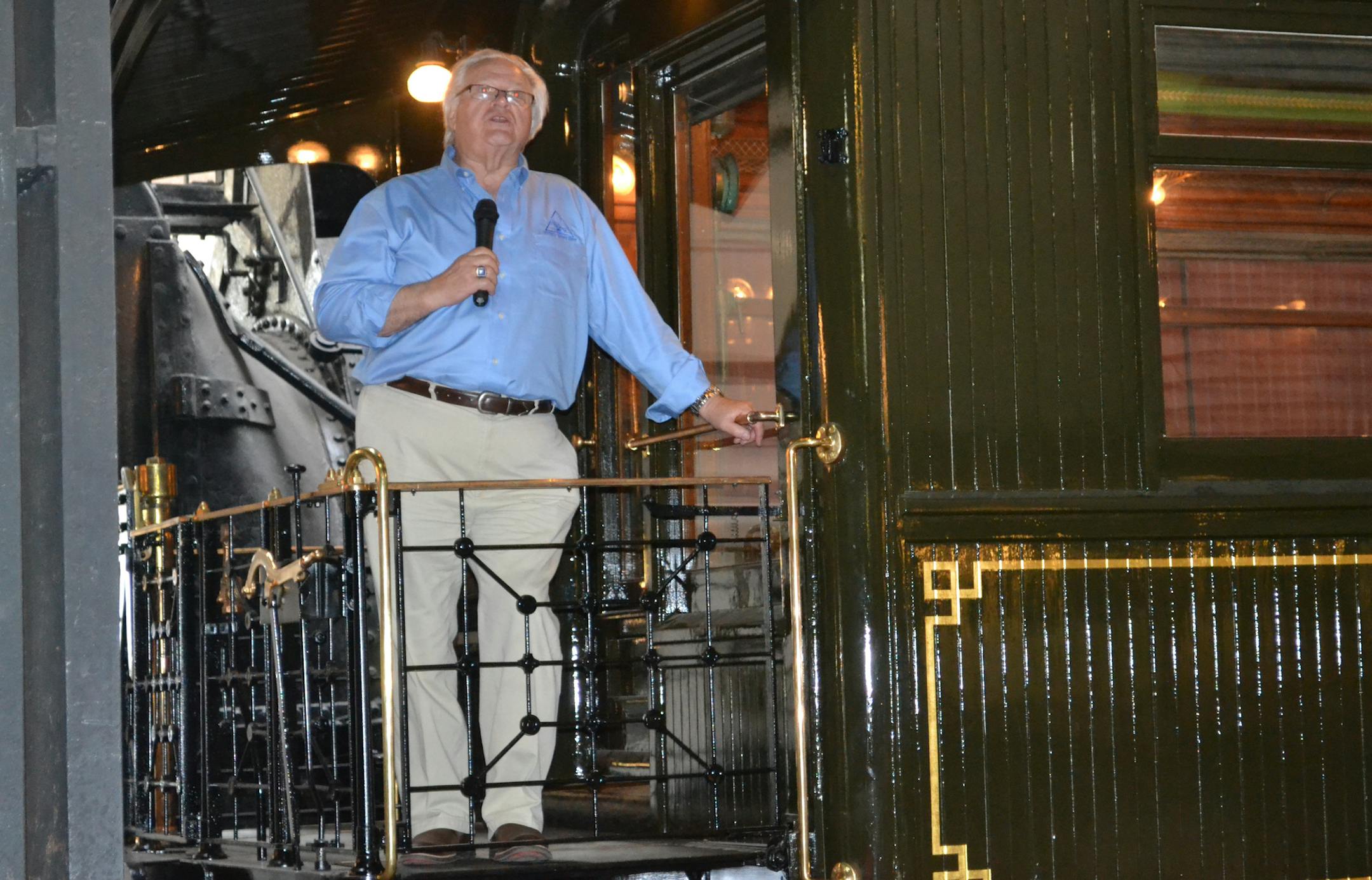
Doug Peterson, president of the Minnesota Farmers Union since 2002, is retiring at the end of the year. Before leading the 14,000-member farm organization, Peterson served in the Minnesota Legislature for 12 years. During the 1990s, he authored much of the legislation related to development and growth of the ethanol industry, which came to be known as the Minnesota Model. Peterson, 68, owns a farm near Madison in western Minnesota, where he raised his family. He spoke last week about the importance of family farms and reflected on his 40-year involvement in farm policy. The conversation has been edited and summarized for space and clarity.
Q: What is the biggest misunderstanding that nonfarmers have about agriculture?
A: The knowledge of what it takes to get a crop to market. People can't get their arms around the fact that a combine costs more than a house. The other piece is the amount of work that farming involves. I don't hold that against nonfarmers because people are busy and have lots of things going on, but some of them have this romantic version of picture book farming the way it was done decades ago. There have been huge advances in technology, and it doesn't come down the road for free. Profit margins are thin, and I just don't think farmers get a fair share of the price.
Q: What is the biggest change you have seen in the past 14 years with the Farmers Union?
A: Clean water is one of the biggest issues that has really moved quite quickly. It runs the gamut from buffer strips to nitrates and wildlife habitat. I don't know if research has actually been able to keep up and deliver tools that farmers can use. And the litigious nature of what's happening with environmental groups looking toward farmers as a major cause. I don't know if we should be blamed for 100 percent of the problem. We've just been producing crops and trying to move forward with best management practices. It's difficult when you've got these spikes and these huge rain events and being able to control the water and hold the water. That ends up being one of the big challenges of the next farming generation. The solutions have to be sustainable, and by that I mean sustaining an income level so you can afford to farm the next year.
Q: How about changes in consumer behavior?
A: The other thing that's changed really quickly is local foods. That wasn't talked about very much 15 years ago. Now if you're not doing local in a restaurant, or addressing it some way in your ingredients label, or talking about it or advertising or doing a media campaign about fresh and local, you're not going to have much of a product to sell. Consumers are demanding transparency. They want to know where something's from and what's in it, and that's a good thing.
Q: The past year has seen a number of proposed mergers and acquisitions for Big Ag, such as Monsanto and Bayer, Syngenta and ChemChina, and DuPont and Dow. What do you make of that?


