
Retirement planning should focus on finance but also connection

Investing in staying connected to community is just as vital as investing money late in life.

For the Minnesota Star Tribune
December 6, 2025 at 11:01AM
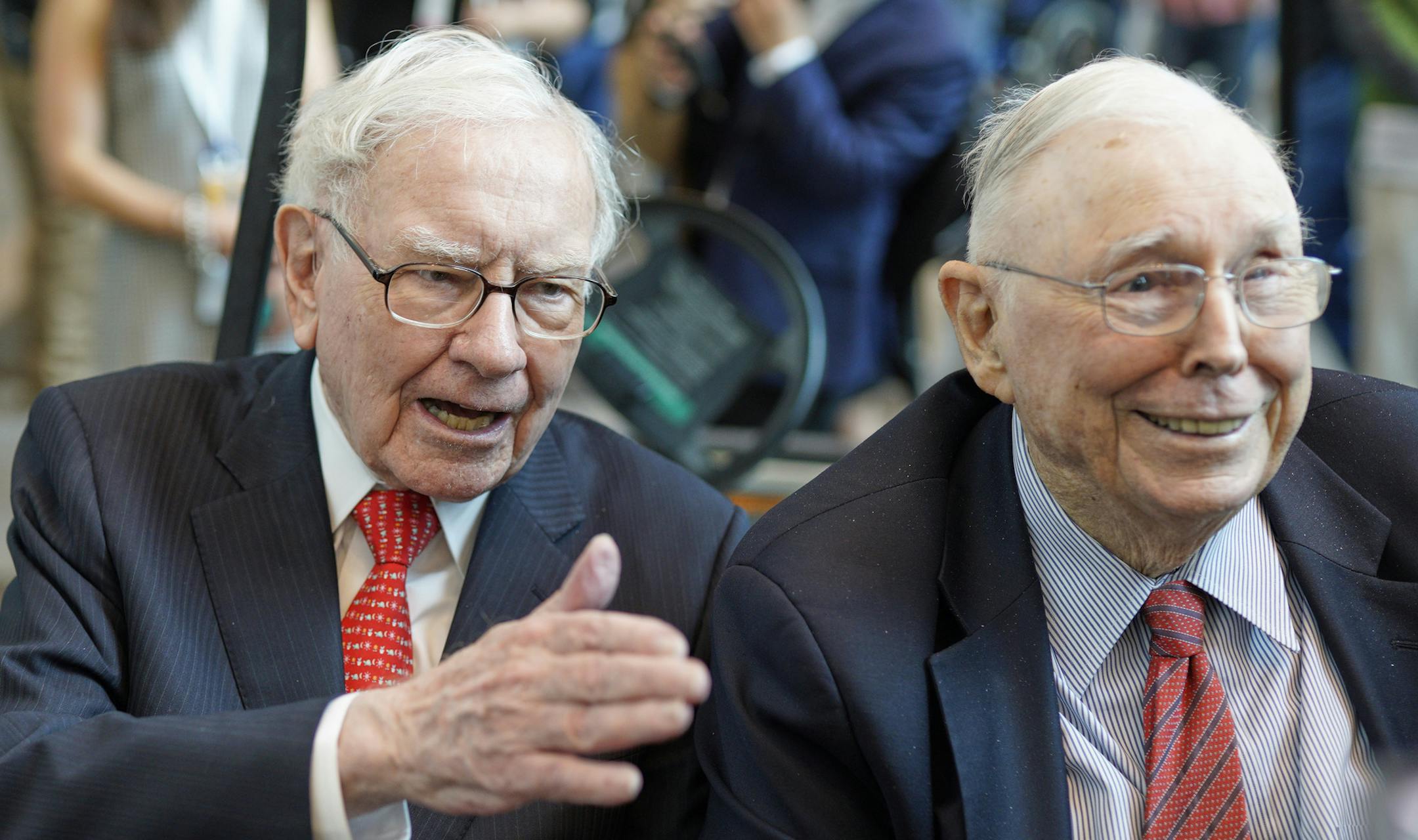
Berkshire Hathaway Chairman and CEO Warren Buffett, left, and Vice Chairman Charlie Munger, briefly chat with reporters Friday, May 3, 2019, one day before Berkshire Hathaway's annual shareholders meeting. An estimated 40,000 people are expected in town for the event, where Buffett and Munger preside over the meeting and spend hours answering questions. (AP Photo/Nati Harnik) ORG XMIT: NENH1
Berkshire Hathaway CEO Warren Buffett, left, and Vice Chairman Charlie Munger in 2019. (Nati Harnik/The Associated Press)

Harvard political scientist Robert Putnam worried about the negative impact on society and individuals from weakening social institutions that once stitched American communities together.

“Connectedness really matters,” he once said at a White House event.

His examples included the decline in bowling leagues, Elks Lodges and union membership. You don’t need to be a scholar to know social ties have eroded even more since Putnam chronicled the trend 25 years ago in his book “Bowling Alone.”

In later work, Putnam warned that the current generation of older Americans had fewer close ties than their parents’ generation. A growing body of research linking loneliness and social isolation to shorter life spans, cognitive decline, physical deterioration and depression justifies his concern. Too many people age alone.

The good news is Minnesota is full of efforts to push back against loneliness at every age. Public libraries, community groups and more work to build bridges. Individuals are also taking the initiative. Which brings me to a recent Wall Street Journal profile of Charlie Munger’s final years, a story that reads almost like a manual for staying connected with age.

Munger was Warren Buffett’s indispensable business partner. Celebrated for his intellect and dry wit, Munger drew insights from various fields, ranging from physics to history.

“I paid no attention to the territorial boundaries of academic disciplines,” he once said. “I just grabbed all the big ideas I could.”

His last years weren’t easy as he neared 100. He lost his wife in 2010, lived with health problems and outlived many peers. He refused to let hardship harden into isolation. If he couldn’t go out, he invited people in, and when reading became difficult, he asked others to read aloud. His home buzzed with conversation, Korean fried chicken and In-N-Out burgers shared with visitors.

“At my age,” he said, “you make new friends, or you don’t have any friends.”

Munger spent every Tuesday at his weekly “breakfast club” with people he had long known. He welcomed younger people into his orbit, too, including a neighbor who became a mentee at age 17 and, later, a real estate partner. He continued to invest on his own. Even as his physical world shrank, his intellectual world expanded.

Retirement planning rightly focuses on savings, assets and income. But it’s become apparent that staying curious and staying connected might be the most important investments anyone makes at any age, including late in life.

Chris Farrell is senior economics contributor for “Marketplace” and a commentator for Minnesota Public Radio.

about the writer

about the writer

Chris Farrell

Columnist

See Moreicon

More from Business

See More
card image
Leila Navidi/The Minnesota Star Tribune

A recent Consumers’ Checkbook investigation found many national chains offer sales so often that it makes the discount meaningless.

Berkshire Hathaway Chairman and CEO Warren Buffett, left, and Vice Chairman Charlie Munger, briefly chat with reporters Friday, May 3, 2019, one day before Berkshire Hathaway's annual shareholders meeting. An estimated 40,000 people are expected in town for the event, where Buffett and Munger preside over the meeting and spend hours answering questions. (AP Photo/Nati Harnik) ORG XMIT: NENH1
card image
