

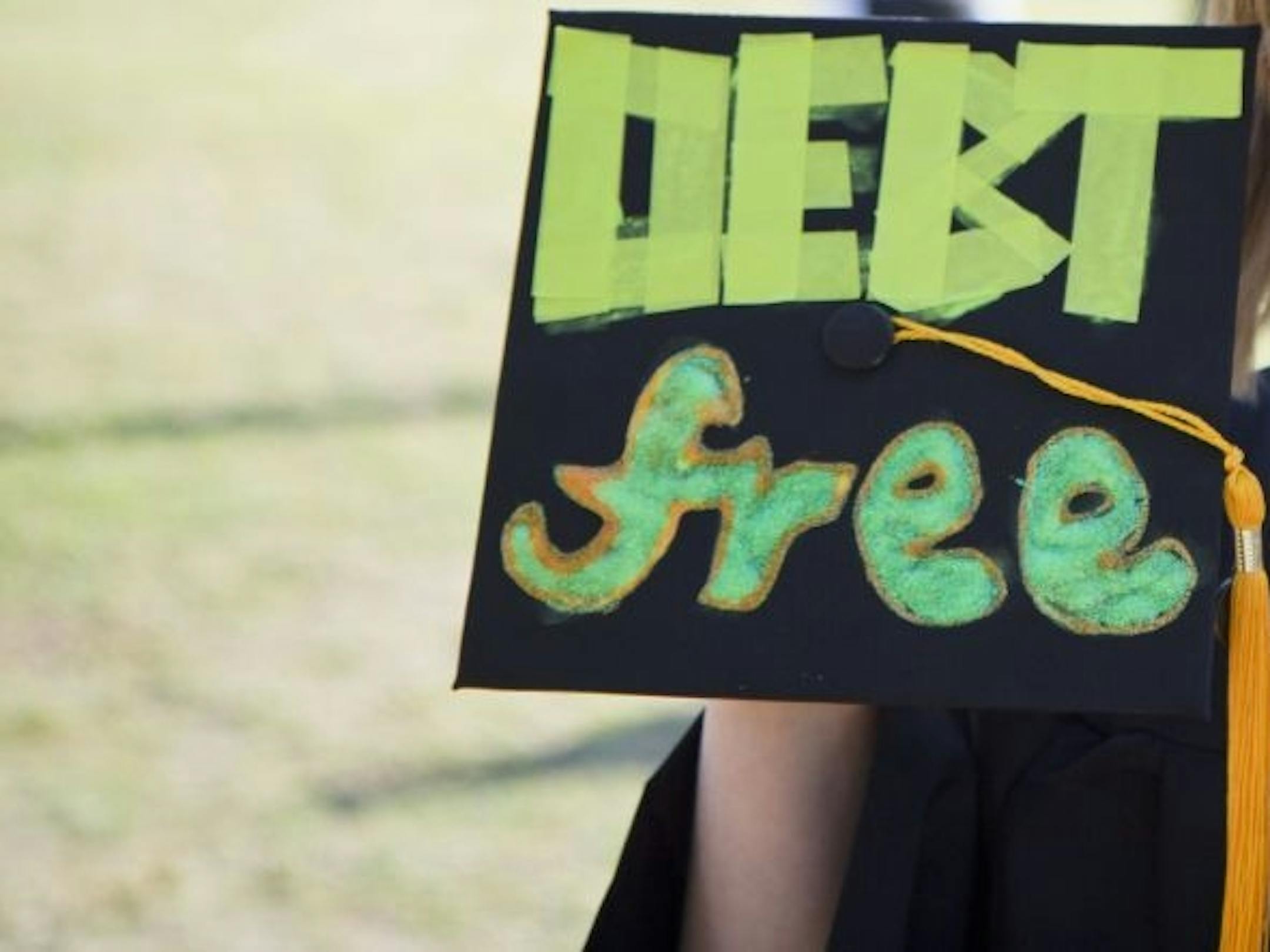
Standard personal finance advice has long been to eliminate debts around retirement, including the mortgage.
The mantra “retire debt free” comes from the insight that everyday life at older ages becomes financially riskier with debt.
Perhaps the most powerful image for the retire-debt-free message (at least for older adults with long memories) are mortgage-burning parties popular in the 1950s and ’60s. Take a 1969 episode from the television show “Mayberry R.F.D.”: Handyman Emmett Clark gathers several neighbors together, holding a blowtorch in one hand and his bank mortgage statement in the other.
“Gentlemen, you are now witnessing that great American ceremony known as burning the mortgage. Yeah, that little ol’ house is now all free and clear,” he said, adding he can now retire and go fishing with his paid-off loan.
Mortgage-burning parties are from another era and not only because the information today is probably digital rather than on paper. In the past few decades, fewer and fewer older adults have been able to become debt free.
For instance in 1989, some 58% of adults older than 50 had debts in retirement. By 2020, that percentage jumped to 78%, according to the Urban Institute, a Washington, D.C.-based think tank. The dollar amount of debts older Americans hold has also increased.
Loans threaten the retirement security of growing numbers of older people. A report from AARP revealed almost half of the older adults surveyed were using credit cards to cover basic living expenses. Other research shows elders tapping into their home equity to pay bills. Add in medical debts, student loans and auto loans, and there are good reasons for concern.
To be sure, older people with substantial resources often decide to keep paying their mortgage because they can profitably invest the money elsewhere. But for many other older people with less savings and fewer assets to tap, owing money in retirement heightens their financial vulnerability.




