

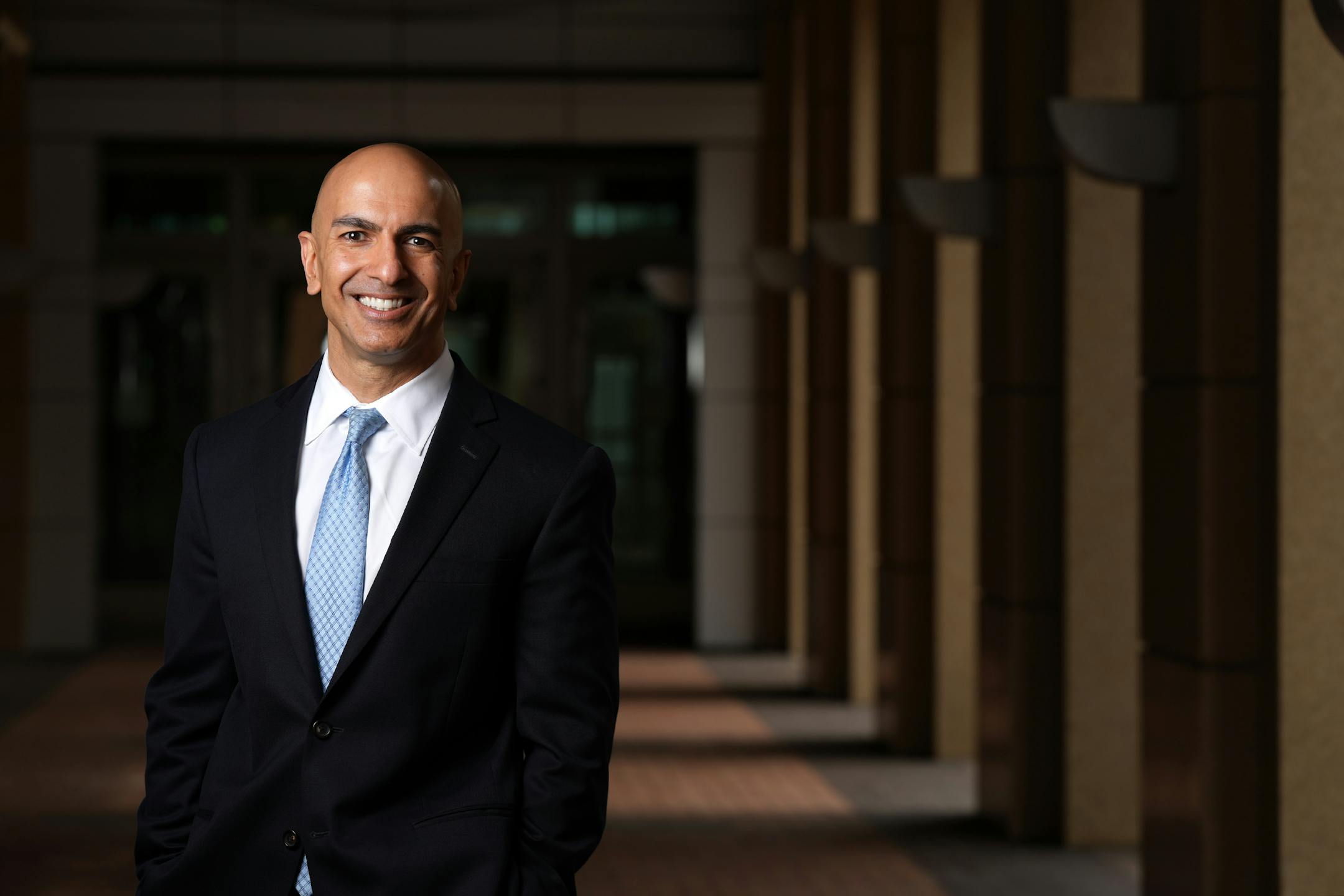
After the high-profile failures of Silicon Valley Bank and Signature Bank, Neel Kashkari, president of the Federal Reserve Bank of Minneapolis, says requiring banks to have higher capital levels could be the best solution to addressing the underlying weakness in the banking system.
"[It's] our only chance to build real resilience in our financial system," he said in an essay published Monday on the Minneapolis Fed's website.
Kashkari reflected on the three massive government interventions in financial markets in the past 15 years: the financial meltdown of 2008, the 2020 response to the COVID-19 pandemic and the bank collapses earlier this year, including most recently the failure of First Republic.
"Can't we do better as a nation?" he wrote.
As regulators consider making changes to bolster the system, he cautioned against making the same previous attempted fixes, such as relying on hiring more staff and developing smarter stress tests.
"We should assume that managers, boards, supervisors and policymakers of the future will continue to make mistakes, as they have in the past," he said. "We can design a regulatory system that will withstand this inevitable human failure."
While it is difficult to predict the next shock, he suggested having sufficient capital can protect against virtually any scenario.
Kashkari was a senior Treasury Department official during the 2008 financial crisis and was an architect of the resulting big-bank bailout. Since then, he's been a critic of the biggest banks being too big to fail and has pushed for higher capital requirements.


