
Reputation management helps companies look good online

Firms aim to make positive references more prominent, so people won't notice negative ones.

November 16, 2013 at 11:09PM
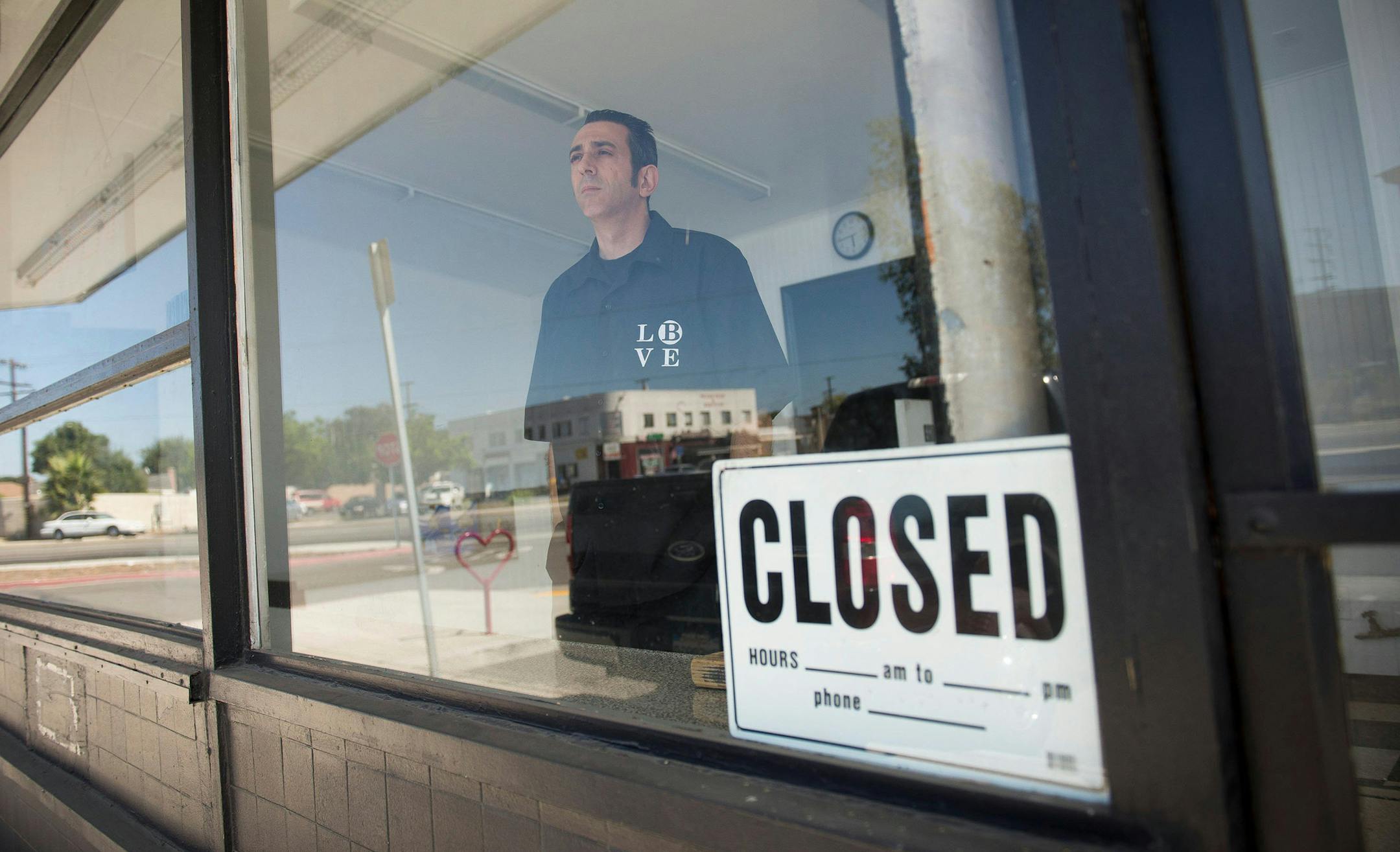
Jeff Terranova looks out the window of his failed Long Beach Vegan Eatery in Long Beach, Calif. Terranova had financial struggles in keeping the establishment and says bad reviews on Yelp contributed to his woes. Some restaurant owners have complained of malicious reviews from competitors and lack of support from Yelp in removing unfair ratings. (Josh Morgan/Orange County Register/MCT) ORG XMIT: 1145479
Jeff Terranova says bad reviews on Yelp contributed to the failure of his Long Beach, Calif., restaurant. (The Minnesota Star Tribune)

Stung by a bad online review, many business owners react in the worst possible way, said Internet consultant Adam Regiaba.

They immediately post a reply.

"I highly discourage any rebuttal," said Regiaba, CEO of Irvine, Calif.-based Upfront Reputations, a player in the new and controversial field of online-reputation management. A rebuttal will only increase the likelihood of readers seeing the negative review, he said, because Google's search algorithm responds favorably to additional postings.

"It's fresh content. Google indexes it and [the review] will rank higher."

Three-year-old Upfront Reputations is among a crop of companies that have sprung up in recent years to help business owners counter negative reviews on Yelp, Google, Ripoff­Report and other consumer ratings websites.

For the most part, reputation-management specialists try to gain prominent display on the Internet for positive information about a given company — often by posting reviews, blog entries and feature articles that might offset a bad review. Using search-engine-optimization techniques, reputation managers try to assure that the new, more-flattering material shows up higher on Google search lists than the poor reviews.

The field has been controversial. A number of reputation-management companies have been sued or fined for allegedly posting fraudulent reviews on behalf of clients. Even when positive reviews come from real customers, review sites such as Yelp consider them tainted if incentives were offered.

The "purest" reviews, said Yelp spokesman Vince Sollitto, are those motivated only by the desire to share a personal experience with other consumers.

Regiaba said many companies are stung by bad reviews even while favorable information and opinions remain unseen. One way his company tries to change that, he said, is to interview a client at length, collecting relevant and interesting facts that can be conveyed positively.

That information is distributed across the Web in as many ways as possible to help it appear atop search-engine results, pushing bad reviews to the second, third or fourth page of search lists. "We have content writers that create articles and post them on various websites and do search-engine optimization," Regiaba said.

Eighty percent of Google users never go past the first page of a search, Regiaba said. That means damaging reviews are, in effect, hidden — a process that can take months.

"That's the goal at the end of the day — to bury the bad stuff," said Gary Hagins, president of Reputation Management Consultants, also of Irvine.

The trick isn't to target the bad stuff directly, he said. "It's making the good stuff better than the bad stuff."

about the writer

about the writer

DAVID FARRELL, Orange County Register

More from Business

See More
card image
Forgent Power Solutions

Dayton, Minn.-based Forgent formed through private-equity acquisitions, makes electrical components for data centers that fuel AI boom.

card image
card image