Wally Lutz believes in ethanol, not least because his western Minnesota neighbors grow the corn that goes into the biofuel.
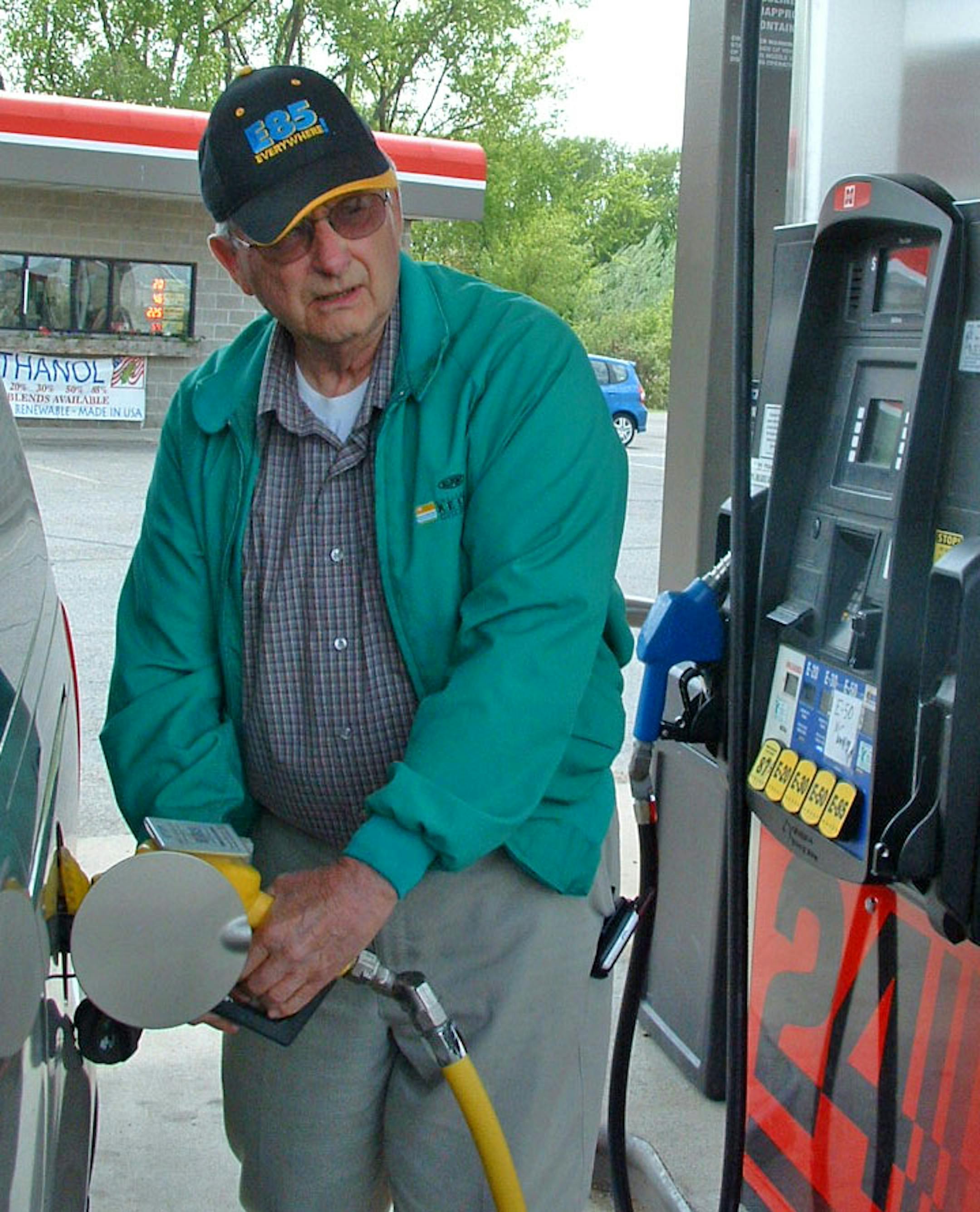
So for three years, Lutz has done his best to put at least half ethanol in his family cars, which aren't meant to be powered by anything but standard gasoline. His commitment meant a stop at a gasoline pump and another at an ethanol pump at his Montevideo Cenex station every time he fueled up.
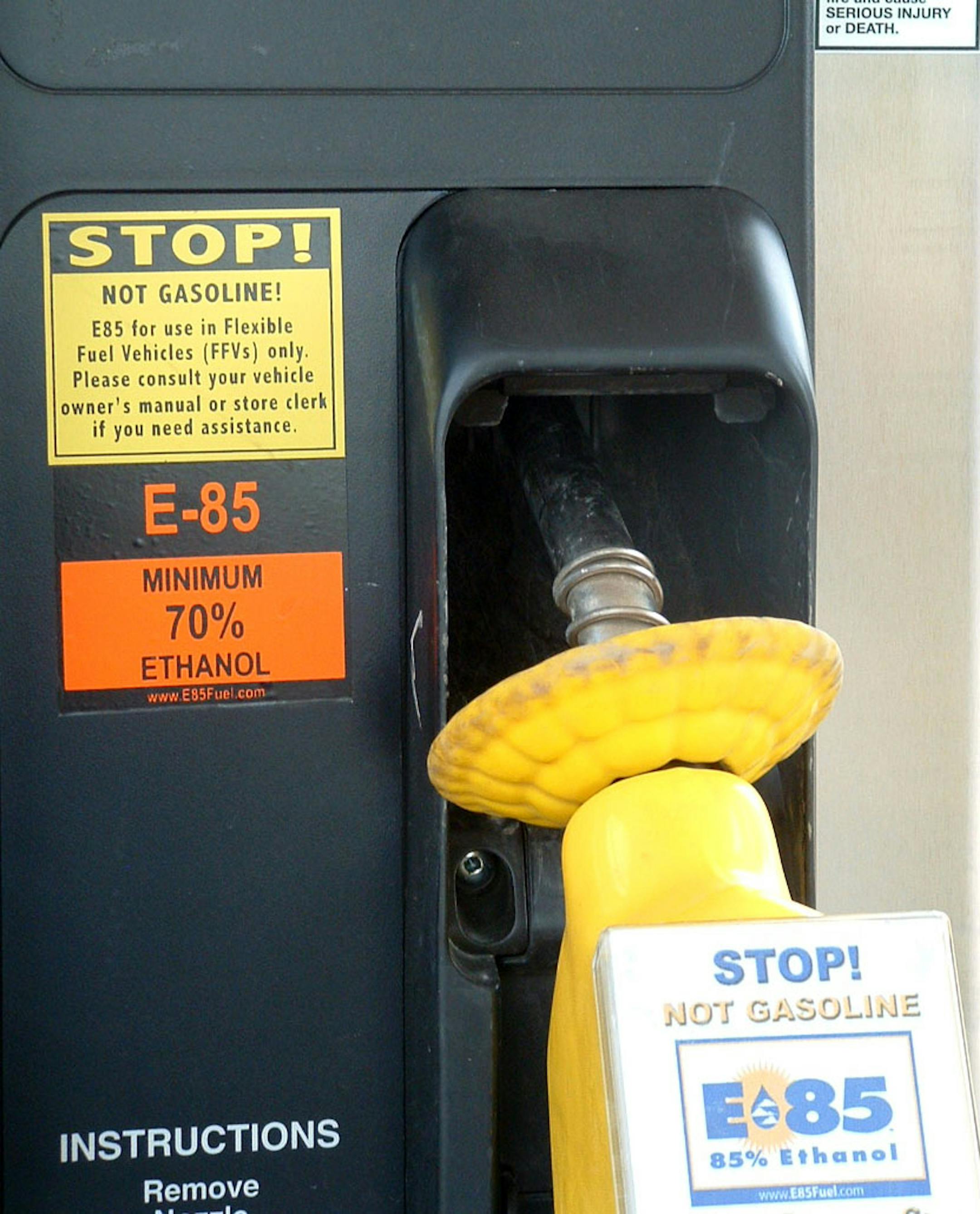
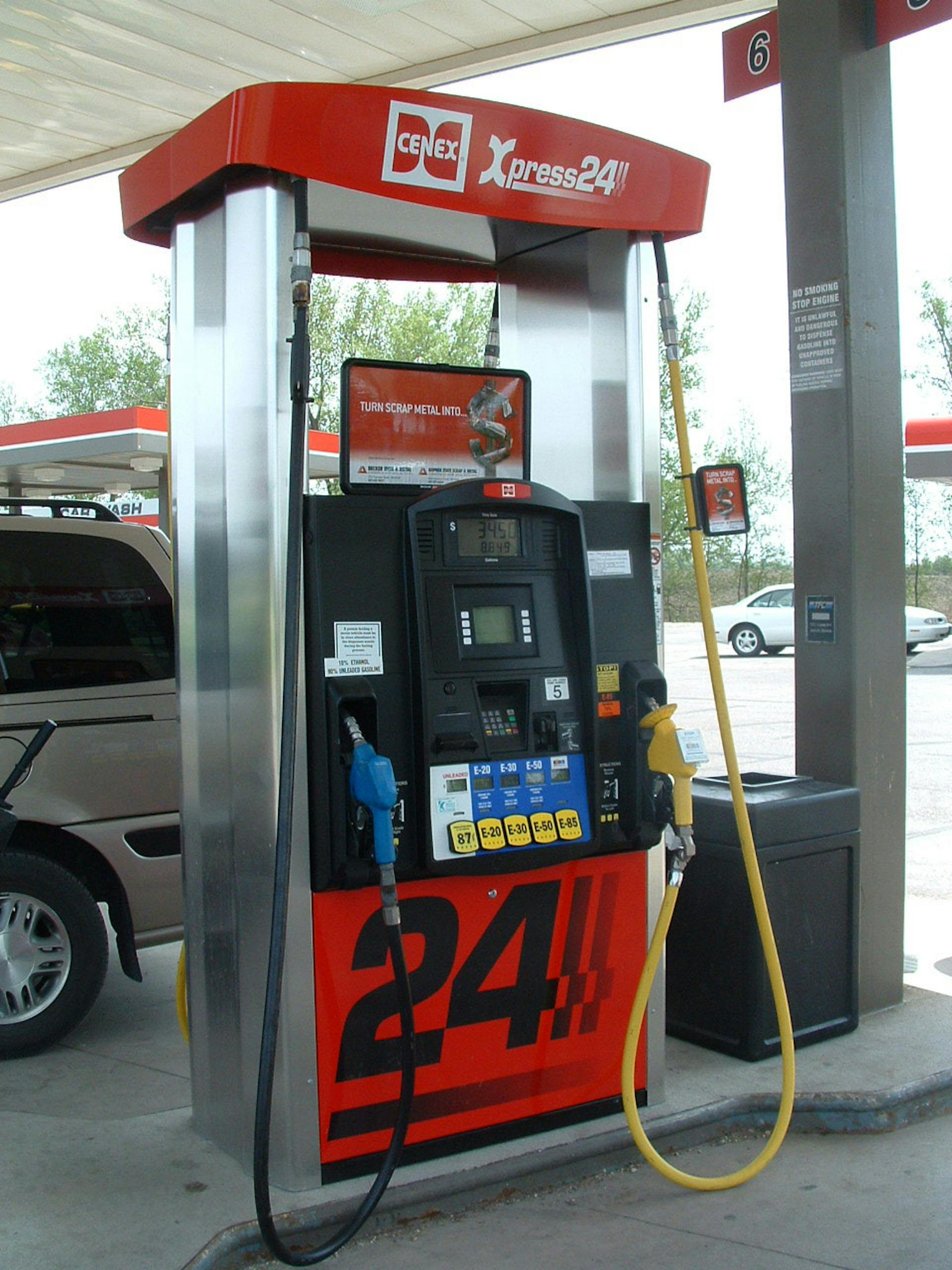
Managers there noticed a lot of people doing the same, so in March they installed two "blender pumps" that mechanically do the mixing for their customers.
But Lutz -- and certainly many of the other Cenex customers -- are not driving cars with "flex-fuel" engines designed to burn a mixture that's mostly ethanol. And that makes them part of an open secret across Minnesota and much of the Upper Midwest: Growing numbers of drivers are choosing to burn the new fuel in their old cars.
They're taking some risk. They're violating federal clean air law, which forbids anything that compromises a vehicle's emission control system, according to the U.S. Environmental Protection Agency (EPA). They're also voiding manufacturer warranties; carmakers say the more-caustic ethanol damages the fuel systems in old cars.
"That's clear in our owners' manuals," said Kristen Kinley, a Ford Motor Co. spokeswoman.
But as gasoline prices teeter around $4 a gallon, car owners are looking for savings, and ethanol usually is priced 40 to 60 cents a gallon cheaper because of a federal subsidy. And while ethanol is blamed, in part, for higher grocery prices and increasing concern about global hunger, those drivers have chosen different ethanol politics. Ethanol helps liberate the country from foreign oil, and it burns cleaner than gasoline.
"The carmakers may be worried about it, but I'm not," said Lutz, 77, a retired gas-station operator. "And every gallon of ethanol just makes me feel good that it's not a gallon of imported oil."