"That's the trouble with people, their root problem. Life runs alongside them, unseen. Right here, right next. Creating the soil. Cycling water. Trading in nutrients. Making weather. Building atmosphere. Feeding and curing and sheltering more kinds of creatures than people know how to count."
From "The Overstory," by Richard Powers
We'll never forget the dark, angry early evening sky.
A summer Friday, just over the Minnesota border crossing into western Wisconsin. An ominous wall of weather filling the view from the car, as far as the eye can see from north to south. Should we keep going, driving into darkness like storm-chasers?
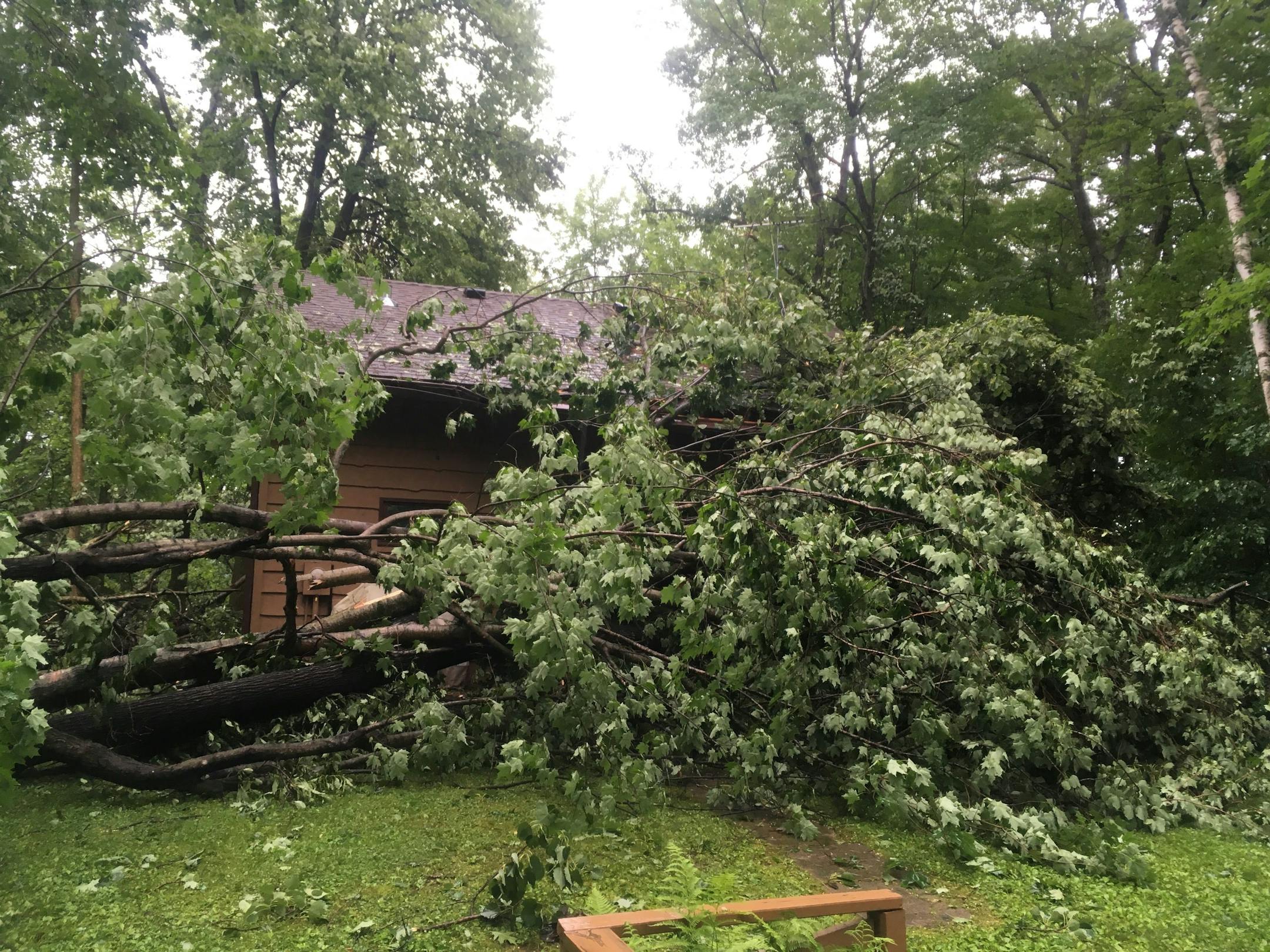
Then the phone calls and texts. Shaken cabin neighbors who had been huddled in basements emerge to assess the damage. Trees everywhere. Downed power lines. Crushed cars. "It's bad," they all report. "Really bad."
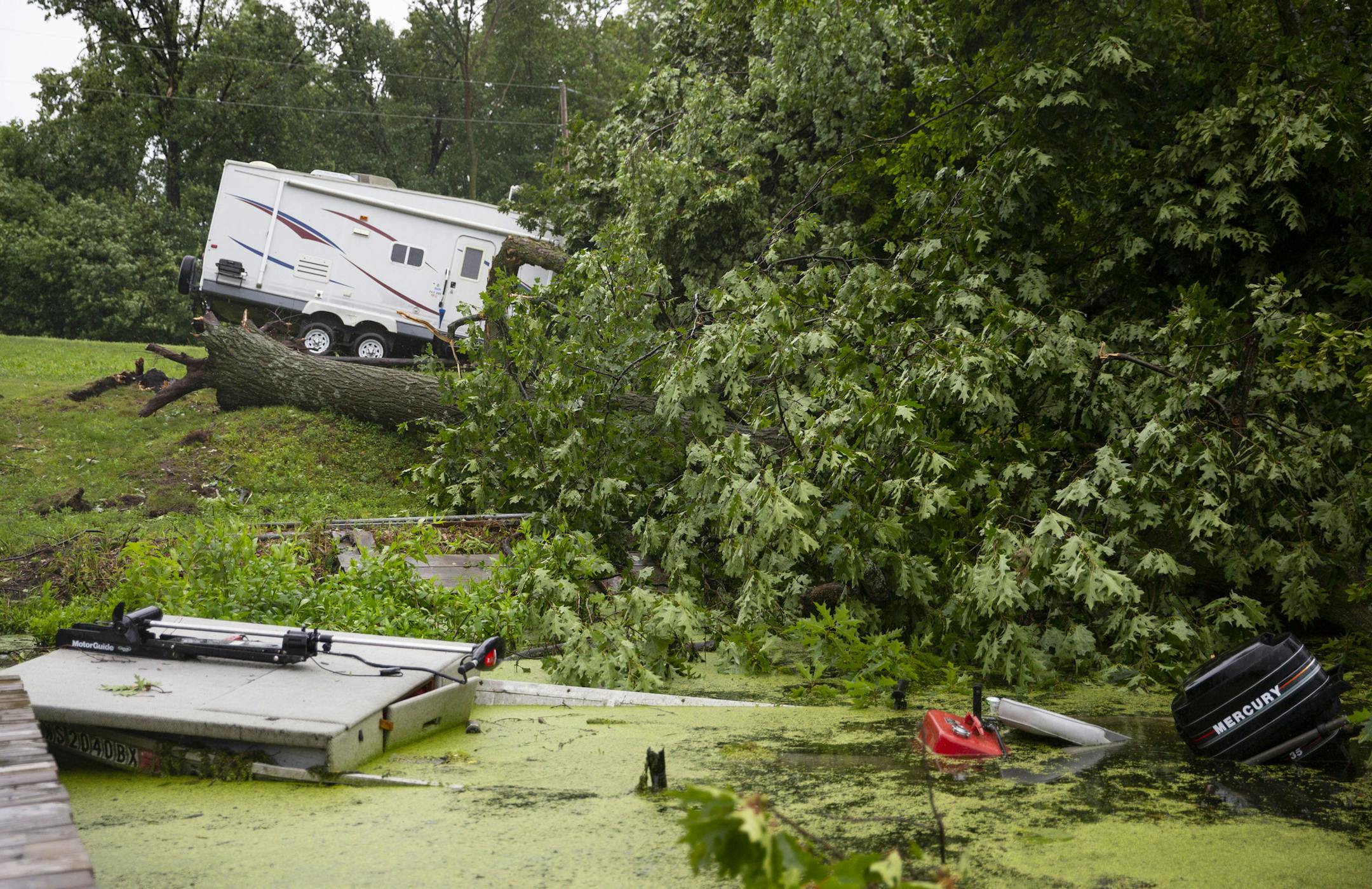
We keep hoping no one will be hurt, that a small family cabin filled with memories will be spared. Say a silent prayer and keep driving, slowly. Soon the magnitude of the damage is obvious, from town to town and rural highway to rural highway. Decapitated silos, overturned baseball bleachers, uprooted trees and their giant root balls, and stunned residents coming to grips with their losses.
For many of us, there will be little sympathy. That's OK. Vacation homes are first-world spoils. "Everything you gather is just more that you can lose," Jerry Garcia sang.
But others live here full-time. Retirees on limited incomes, laborers and farmers barely making ends meet in a rural economy that takes as much or more than it gives. The heartland's heroes. We have insurance. Do they?
An aging editor remembers his cub reporting days, interviewing stunned tornado survivors while they picked through debris looking for treasured toys, wedding photos, confirmation bibles — anything of value that could be saved. He's in his own bad movie now, uncertain how it will end.