

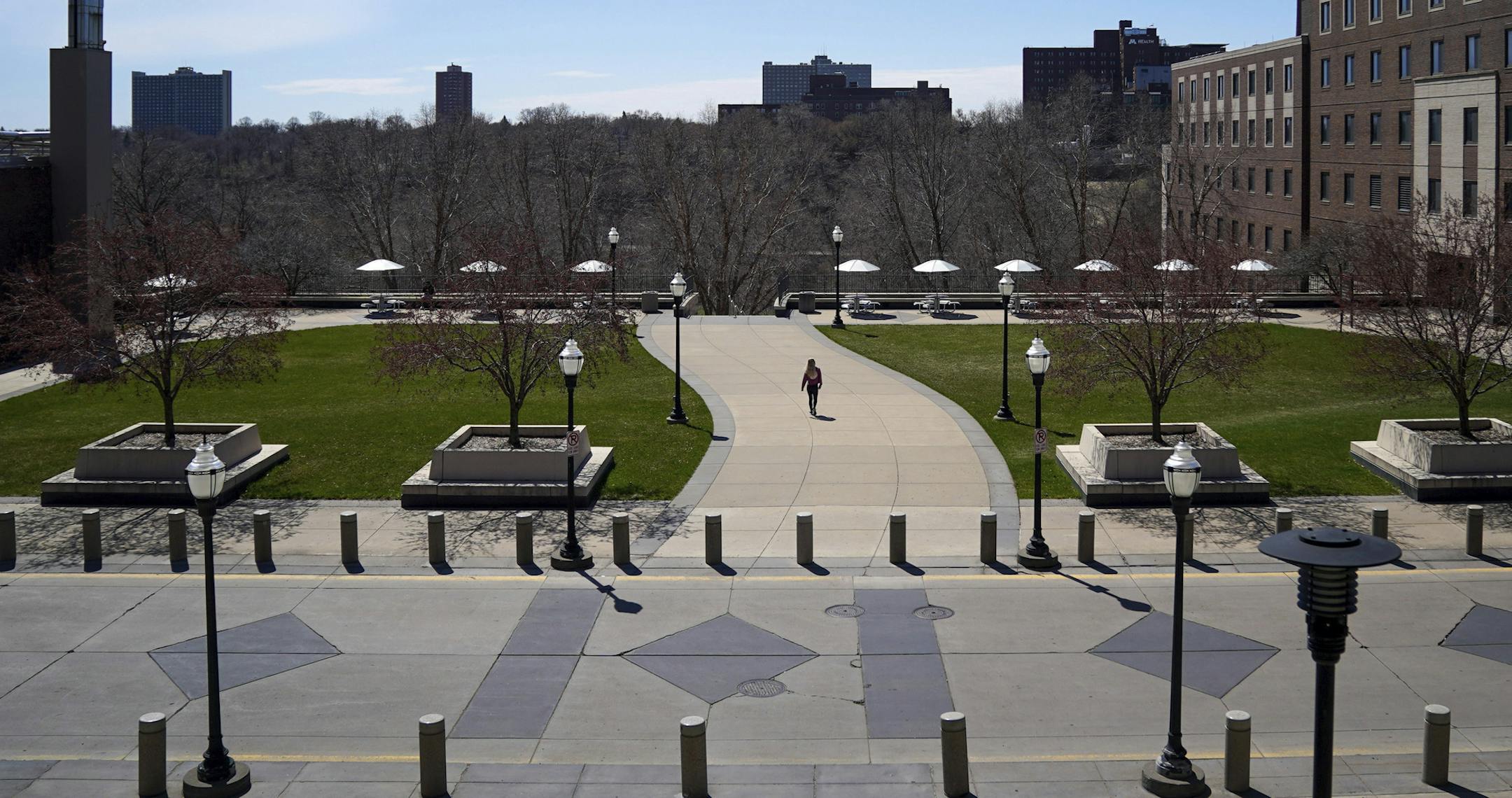
More colleges should be freezing tuition in the upcoming year for students across the country due to negative effects of the current global pandemic ("U freezes tuition to keep enrollment up," April 22). The virus is forcing many students to put a hold on their future plans, with the University of Minnesota predicting enrollment of the incoming freshman class and transfer students to each decrease by 20%.
As a high school senior, I have been facing this problem as I look toward attending college in the upcoming academic year. Like many others my age, I have been furloughed from my job as the severity of the pandemic has increased. Others also may have family members who face reduced hours, resulting in a decrease in income. In addition, individuals are unable to qualify for unemployment if currently enrolled in high school. This is difficult for many, as our jobs are needed to save up money in order to attend college.
If universities follow the action of freezing tuition, the decrease in enrollment may be less severe and allow schools to recover more rapidly from revenue losses. If schools decide not to pursue this, enrollment will likely drop and it will require significant budget cuts. Universities across the country should follow after others that are making the decision to freeze tuition, giving students more time to save as society returns to normal and the opportunity for them to continue to pursue their dreams.
Claire Hippen, Rogers
DISTANCE LEARNING
At-home adventures educate, too
As a veteran teacher of almost 30 years, I read with interest the Readers Write letter of the day on Monday ("Dear students: We miss you"). I can certainly feel empathy for any teacher who is not in the classroom now teaching and supporting their students, especially the younger kids who love school, miss their friends and want the routine that school brings them each day. But looking at the glass half full, what makes me happy is hearing that my third-graders are doing fun things with their families, building bird houses, learning how to cook and bake, doing art projects, observing nature in their yards, visiting state parks and, most important, structuring their day to fit them, their parents and their learning style. If you look at a child's full K-12 career as a student, this last trimester via distance learning will represent only 1/39 of their education.
Kudos to all the parents of young students who are motivating them during this difficult time and especially to the ones who realize that learning takes place everywhere, even outside the classroom.
Tom Intihar, Brooklyn Park
ENVIRONMENT
We need these stringent standards
I read an article in Sunday's paper titled, "EPA rule may strip state of powers." Having worked for over 30 years at the Minnesota Pollution Control Agency, I was saddened to read how the U.S. Environmental Protection Agency is considering lowering the bar on environmental reviews regarding water quality issues.
This is only one of many revisions proposed and passed by the Trump administration. Soot, mercury and lead standards and now lowering water quality standards around the Boundary Waters Canoe Area Wilderness are only a few of the changes being enacted by the Trump administration for the benefit of wealthy company owners so that they can make more money at the expense of the public.
I would like to remind the public that the standards that are currently in place took many years, if not decades, to pass. Years of study and research support every rule on the books. To the best of my knowledge the current rule changes aren't based on better data or better science, they are based on economics for industry.

