

•••
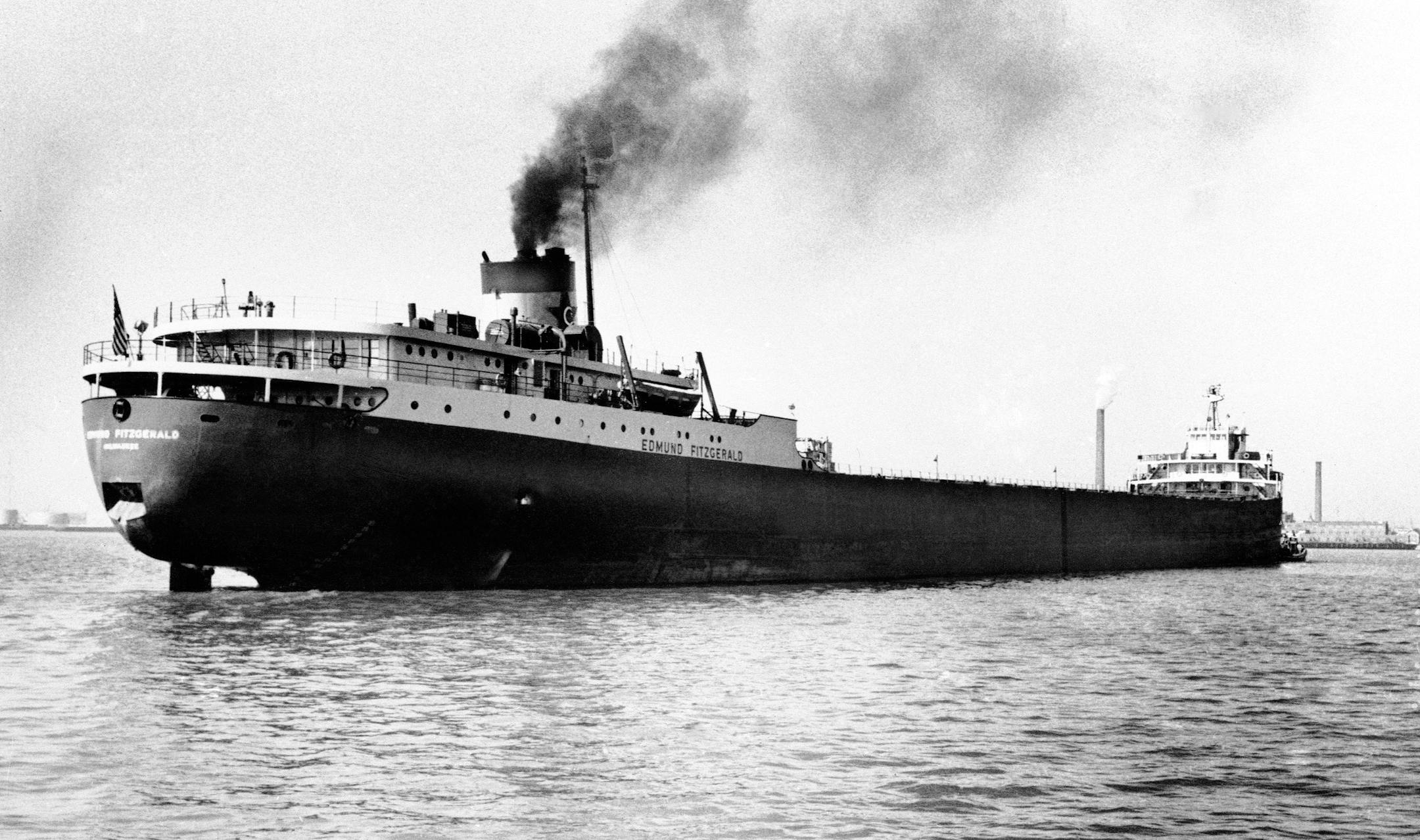
I read Robin Washington’s column in Monday’s Star Tribune (“50 years later, story endures despite ballad’s myths,” Strib Voices) and felt compelled to respond to his column. Growing up in Minnesota and frequently visiting Lake Superior as a child and as an adult, I — along with many others — have always been interested in the Great Lakes and their history, including the many shipwrecks that have occurred there. Most specifically, the story and history of the sinking of the Edmund Fitzgerald on Nov. 10, 1975. I’ve watch countless documentaries and have read books about the sinking and the ship itself.
I do also very much enjoy Gordon Lightfoot’s epic ballad about the sinking as well. I know that it is not a historically accurate song. I see Lightfoot more as if he were a bard singing and writing a ballad that would have been sung in the days of Shakespeare.
However, Washington does not see it that way. His condescending “review” of the song reads more like a Rolling Stone album review correcting the lyrics to historical accuracy than it does understanding that Lightfoot was telling a story. Of course the lyrics are not absolutely accurate. Instead of acknowledging the song as a classic that people love and may not know the history of, Washington flexes his knowledge of the song’s “inaccuracy” to the readers.
Lightfoot mythologized the wreck, and people remember it because of that. Maybe I’m wrong, but it’s the only song I know of that has made people aware of a historical sinking of a ship. To my knowledge, there is no song about Sir Ernest Shackleton, his crew and his ship, the Endurance, that sank in the Weddell Sea in Antarctica and how they survived until they were rescued. Or the Battle of Lake Champlain where the fledgling U.S. Navy defeated the British navy on the lake during the War of 1812. Or any other famous ship, for that matter.
Perhaps for some or for many who do not know the true story of the sinking of the Edmund Fitzgerald, Lightfoot’s ballad gets those people interested into learning more about the ship, her crew and her sinking. That’s what the books and documentaries are for, like John U. Bacon’s newly published book, “The Gales of November, the Untold Story of the Edmund Fitzgerald.” Not the song. It’s about remembrance. That’s why Lightfoot wrote the song. To remember the tragedy of the sinking and her crew.
In Lightfoot’s words, “And the iron boats go as the mariners all know / With the gales of November remembered.”


