

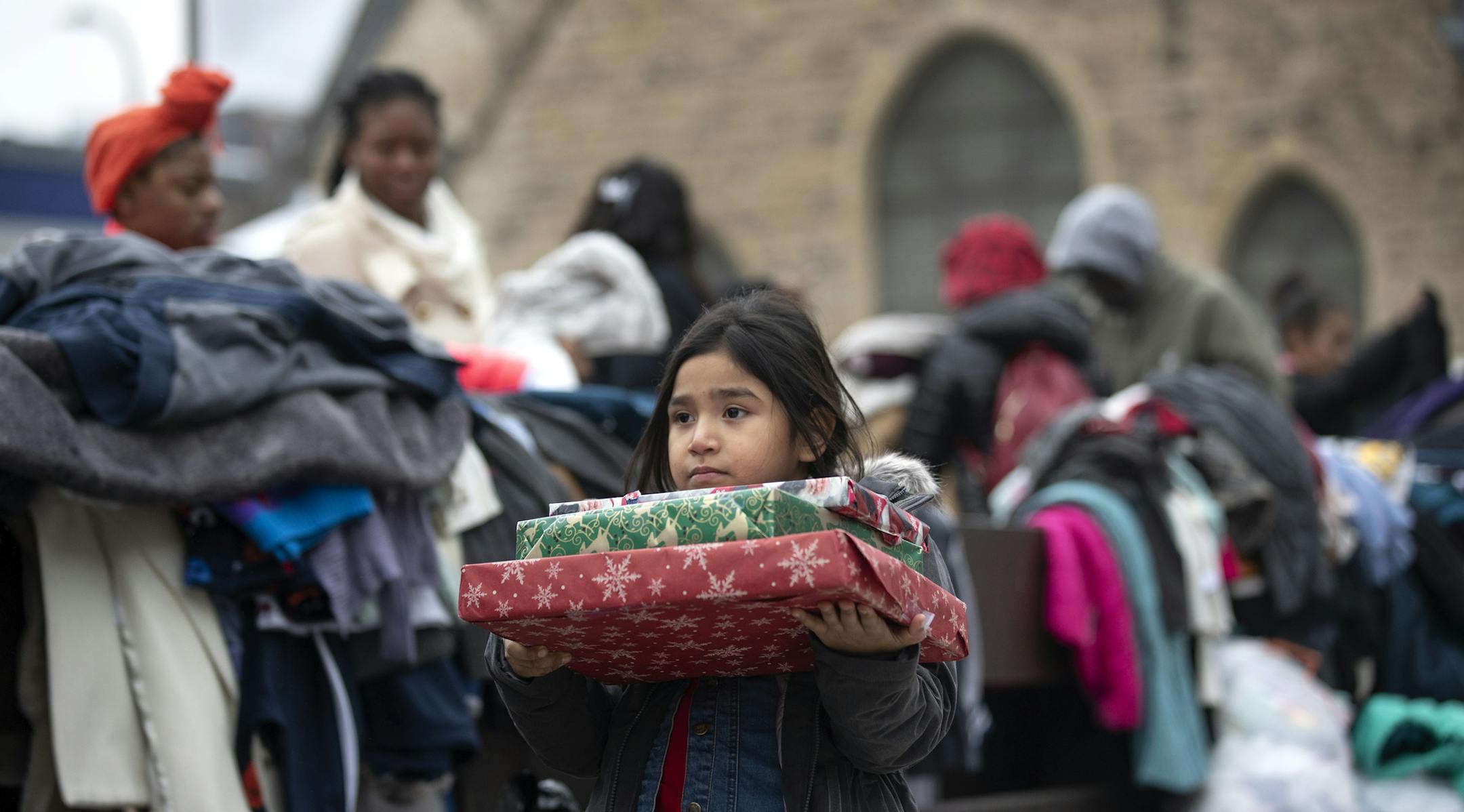
Our community experienced a tragedy on Christmas. The Drake Hotel, housing more than 200 people in our community who exist in the margins, burned and is a total loss ("For many, Drake fire is another displacement," front page, Dec. 26). A blessing is that there seem to have been no reported deaths or serious injuries. The Drake is a modest form of housing. I use the word "modest" meaning most people wouldn't live there if they had the means to live somewhere else. But it provided the most basic forms of shelter — a roof overhead, a place to sleep and toilet facilities.
With the ongoing conversation in our community about the need for affordable housing, this may be a tipping point for the crisis. The now well-known encampment in 2018 often referred to as the "Wall of Forgotten Natives" along Hiawatha Avenue in Minneapolis brought the topic up in local media and around the dinner table. Our local officials and certain nonprofits did step in to create a temporary solution in creating the Navigation Center, then moved to break ground to create 110 permanent housing units on that very site. A good start, but only a start.
The events associated with encampment were the catalyst that brought government, nonprofits and the public together to work on solutions. It seems pain and trouble are the great motivators, whether in one's personal life or in that of a society.
The question is: Does everyone in the richest society on Earth deserve to be housed?
My hope and prayer is that the outcome of another devastating event in our community will bring that question to the forefront, so we as the people of Minnesota will answer this — affirmatively.
Richard Bahr, Maple Grove
• • •
As medical director for well-being at HealthPartners and immediate past-president of the Twin Cities Medical Society, I'm delighted that Star Tribune Opinion published the Dec. 25 commentary "We know too well the toll of homelessness; we have suggestions." The three young people who wrote the essay have firsthand experience with homelessness.
Medical research shows that stable housing is a key determinant of good health. People who are homeless are four times more likely to die than people with secure housing. Children who are homeless are much more likely to have problems in school and difficulty getting along with others. Adults who are homeless are far more likely to be violent to their partners. People who are homeless are much more likely to delay getting help for health problems.


