


Opinion editor’s note: Strib Voices publishes a mix of commentary online and in print each day. To contribute, click here.
•••
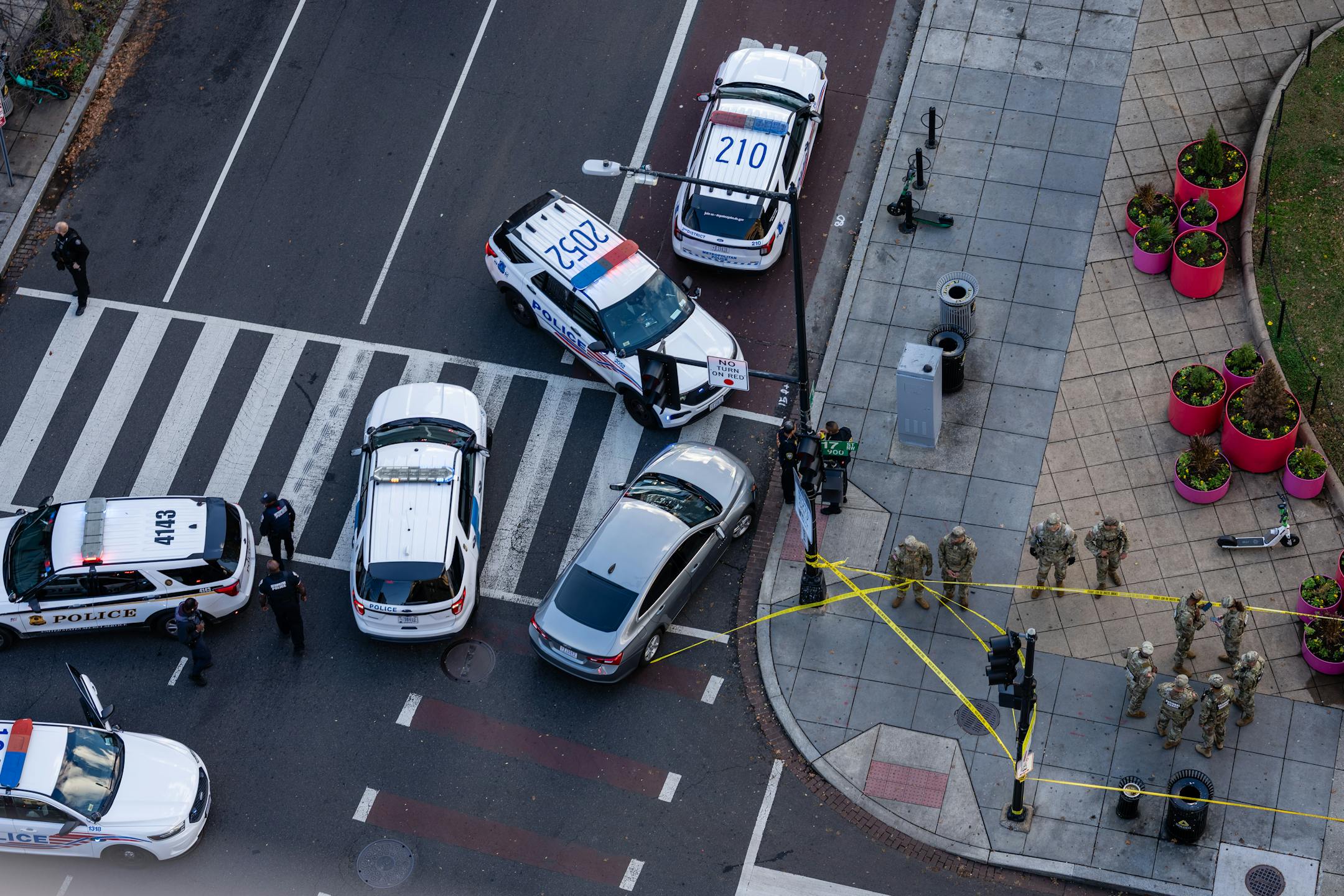
Rahmanullah Lakanwal is accused of murdering Army Spc. Sarah Beckstrom and critically shooting Air Force Staff Sgt. Andrew Wolfe last week in Washington, D.C., where both were on a National Guard deployment. If convicted, the Afghan immigrant will, and should, face the full extent of the law.
But other Afghan arrivals might, too, in a case of collective punishment that would present profound legal, ethical and geopolitical issues.
That’s because President Donald Trump has indefinitely halted immigration applications from the country and barred Afghans from entering America, regardless of risks taken for the U.S. war effort or faced if forced to remain in or return to a Taliban-led Afghanistan.
The president “starts from a position where he doesn’t feel any sense of responsibility, obligation to individuals, who had fought with and for the United States, who put their lives on the line,” said Eric Schwartz, a former dean of the University of Minnesota’s Humphrey School who now chairs its global policy area.
Schwartz, a former U.S. assistant secretary of state for population, refugees and migration and former president of Refugees International, added that “it’s not what we did after the end of the Vietnam War, and look how the Vietnamese community in the United States has contributed to the well-being of America, to our economy, and in so many different ways.”
The U.S. (and allies rallying to its side after America became the first and only NATO nation to trigger the collective-defense mechanism known as Article 5) “could not have stayed in Afghanistan without the support from a significant portion of the Afghan population,” said Bill Roggio, who chronicled the conflict as editor of the Foundation for the Defense of Democracies’ Long War Journal. “Afghans who supported us, who’ve come to the United States, they certainly have to be worried about what their future is. They have to be questioning why did they support the United States if there is talk of deporting them?”


